
Subscribe for more updates!
Get exclusive travel inspiration, private itinerary ideas, and
curated destination guides from LocalHi's travel designers.

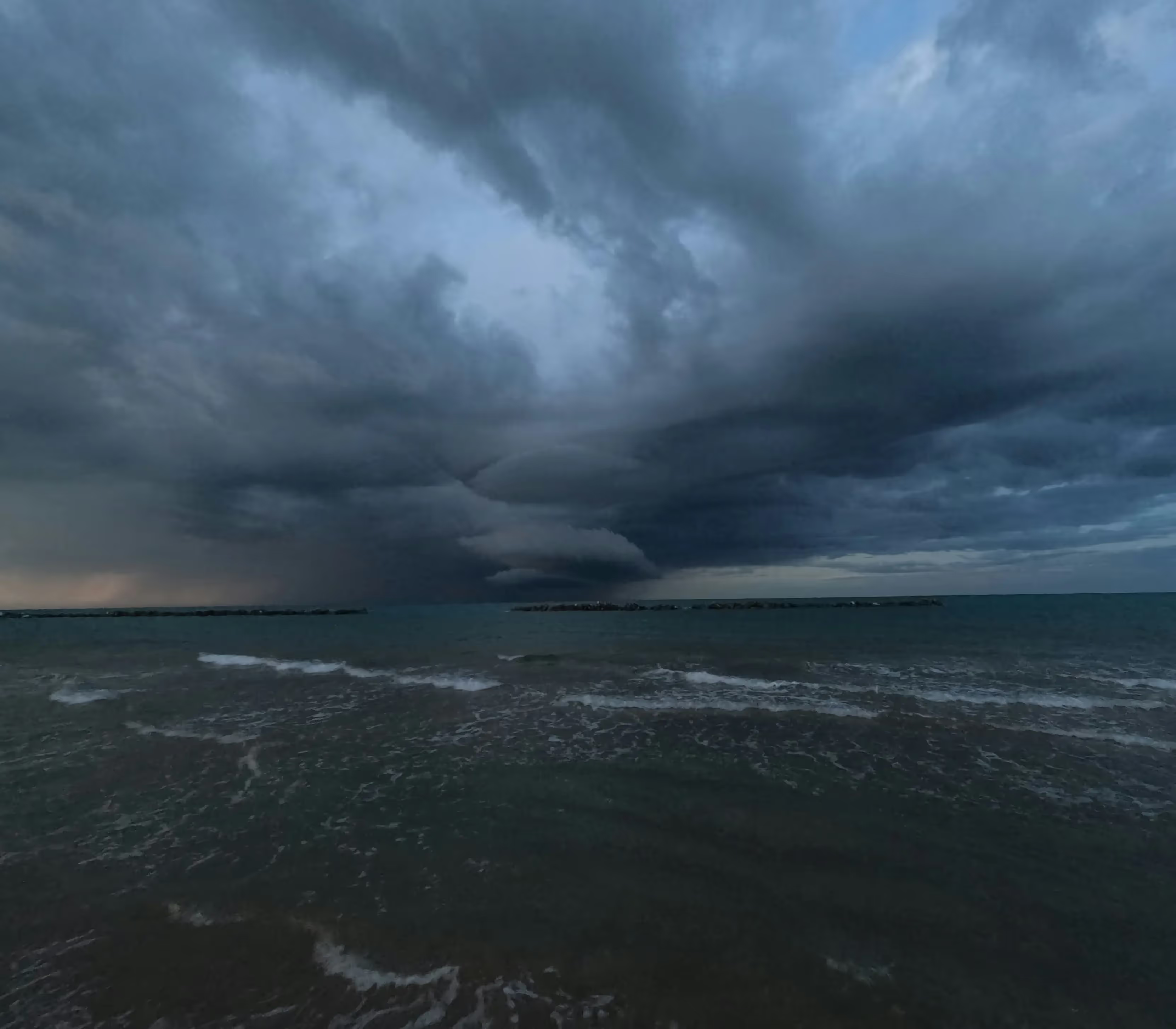
Sri Lanka is dealing with a difficult and emotional week after Cyclone Ditwah moved across the island and triggered severe flooding, dangerous landslides and major travel disruptions. The storm passed at the end of November but its effects continue. Water levels are still high in several districts, many roads remain cut off and rescuers are working around the clock to reach isolated communities.
Official reports confirm a range of deaths that has already passed four hundred, with hundreds still missing and more than a million people affected across the country. These numbers may shift as teams access areas that had been unreachable. For travellers, the entire situation has created uncertainty at a time when many people were preparing for year end holidays.
Cyclone Ditwah formed over the southwest Bay of Bengal and crossed Sri Lanka with an unusual concentration of rain. Some areas recorded more than 300 millimetres of rainfall in one day, which overwhelmed drainage systems, filled rivers beyond capacity and caused large scale flooding.
The Sri Lanka floods 2025 have created problems across the island. Cities, villages, farms and hill country communities have all suffered in different ways. The affected zones are spread widely, which is why recovery work is taking time.
Central Hills
The hill country has seen the most landslides. Kandy, Nuwara Eliya, Ella and Badulla have had repeated slope failures. Travel to these regions is not safe at the moment. Roads are blocked in several places and many hillside hotels are operating with limited power and water.
Colombo and the Western Lowlands
Colombo, Gampaha and surrounding suburbs have faced serious flooding. Some neighbourhoods are still dealing with standing water. Access to the airport has been slow because parts of the Colombo Katunayake Expressway have been affected by floodwater.
North and East
Vavuniya, Mullaitivu, Batticaloa and Polonnaruwa were among the first areas hit when Cyclone Ditwah approached the island. Heavy rain and reservoir spillovers created sudden flooding. Rivers in these districts remain at high levels.
South Coast
The south coast received heavy rain but the overall situation is more stable compared to the interior. Most resorts are open and access is improving. Travellers should expect wet conditions and occasional delays but the region is functioning better than other parts of the country.
Travel safety in Sri Lanka depends on the areas you plan to visit. Authorities have not stopped visitors from entering the country but are urging caution, especially for anyone planning to visit the central hills or the north and east.
Travellers who are already in Sri Lanka are generally safe if they stay in less affected coastal areas, avoid riverbanks and stay away from unstable slopes. The government has set up a tourist helpline at 1912, which operates throughout the day and night for assistance.
Those with upcoming plans that include Kandy, Ella, Nuwara Eliya or any hill country routes should postpone those sections. Colombo is reachable but travel times may be long. The south coast currently offers the most reliable conditions for travellers who still want to continue with their holiday plans.
People with trips later in December or in early 2026 do not need to cancel immediately. It is better to monitor Sri Lanka travel safety updates from the Sri Lanka Tourism Development Authority and check regional advisories before finalising decisions.
Colombo’s Bandaranaike International Airport remains open, although flight operations have been disrupted. Some international flights have been cancelled or diverted in recent days. Airlines are adjusting schedules and offering fee free date changes to affected passengers.
The biggest challenge has been reaching the airport. Flooding on connecting roads has slowed access and travellers are being advised to start their journey earlier than usual. Those heading to Sri Lanka soon should check their flight status regularly and stay in touch with their airline.
If you are already in Sri Lanka
Stay informed through local alerts, follow guidance from your hotel or host and avoid travel into flood affected or landslide prone areas. Keep extra time for any long distance movement.
If your trip is happening soon
Reroute your stay toward the south coast or postpone travel to the central hills until conditions improve. Choose accommodations that can provide clear updates on local safety.
If your trip is planned for later
Sri Lanka is resilient and recovery is underway, but progress differs across regions. Keep track of Sri Lanka tourism update 2025 bulletins and weather forecasts before confirming plans.

Cyclone Ditwah has placed a heavy burden on Sri Lanka but recovery efforts are active. Local authorities, volunteers and international partners are working to restore access, clear debris and support affected communities.
Sri Lanka remains a warm and hopeful destination. With careful planning and awareness of real time conditions, travellers can look forward to visiting again soon. Over the next few weeks, more information will emerge on which areas are reopening and how quickly transport routes can return to normal.
CURATED TOP DESTINATIONS


Subscribe for more updates!
Get exclusive travel inspiration, private itinerary ideas, and
curated destination guides from LocalHi's travel designers.