
Subscribe for more updates!
Get exclusive travel inspiration, private itinerary ideas, and
curated destination guides from LocalHi's travel designers.

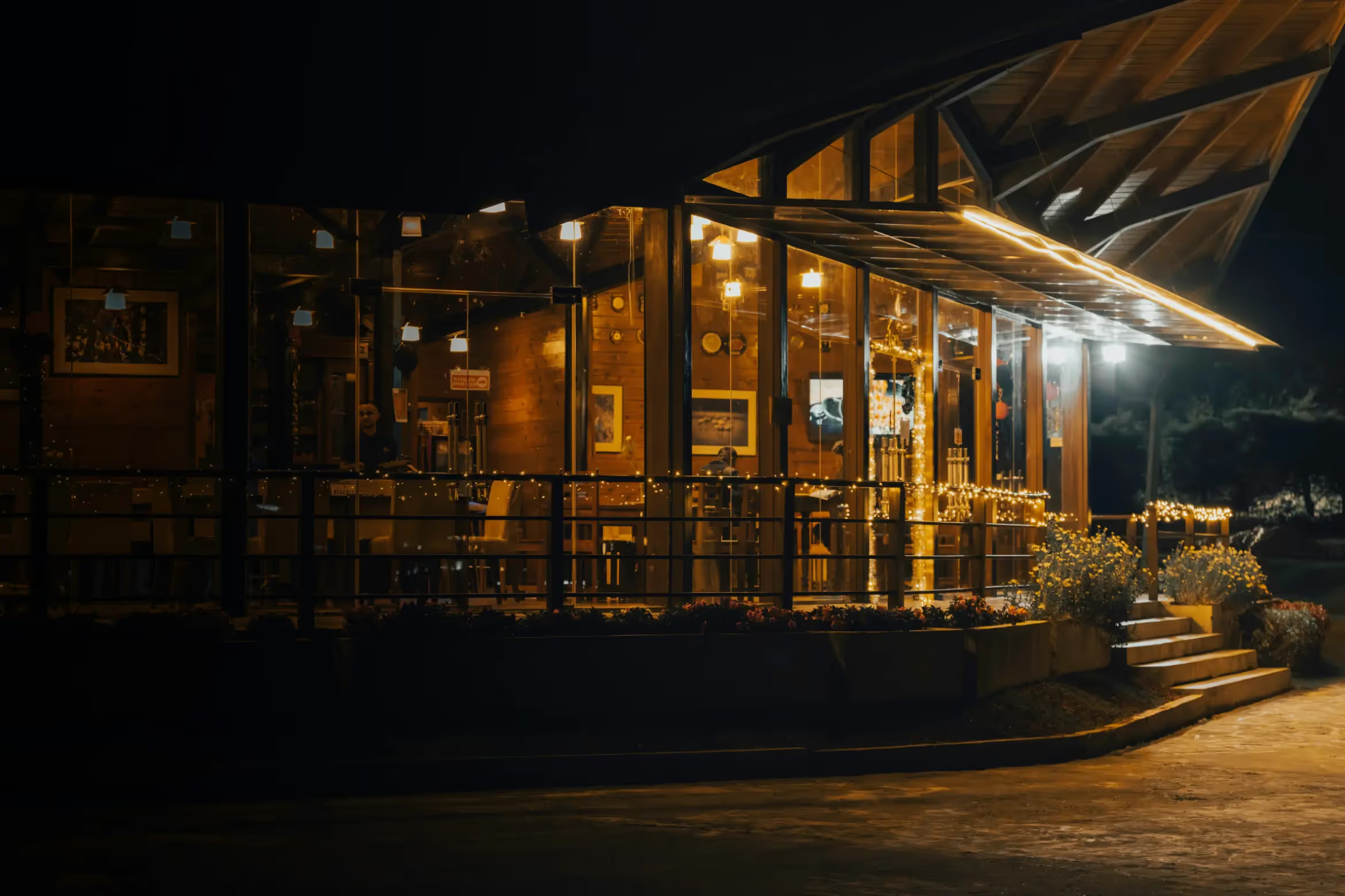
No Sri Lanka travel plan is ever complete without partaking in the island's delicious and rich gastronomy. Infused with elements of Indian, Portuguese, Dutch, and Malay cuisine, Sri Lankan cuisine is an eating adventure in itself—spicy, full of fresh ingredients and bold flavors. Whether you're trekking the ancient city of Sigiriya, strolling through serene cave temples of Dambulla, or basking on a golden beach, you'll discover that each province puts its own spin on classic dishes. This guide will be your culinary tour of the country, showcasing the best Sri Lankan dishes every visitor should indulge in during their 5 days in Sri Lanka (or longer). From warm rice and curry dinners to decadent coconut-based desserts, get your taste buds ready for a cultural adventure like no other.
• Sri Lankan rice and curry is the national meal — a spread of 4–8 dishes that changes daily by cook and region
• Hoppers (appa) are Sri Lanka's most iconic street food — bowl-shaped rice flour crepes with egg or sambol
• Kottu roti (chopped flatbread stir-fried with vegetables and egg) is the go-to late-night meal across the island
• Seafood on the south coast is exceptional — grilled crab, prawn curry, and red snapper are highlights
• Ceylon tea is integral to Sri Lankan culture — drink it with jaggery at a roadside tea stall, not from a hotel buffet
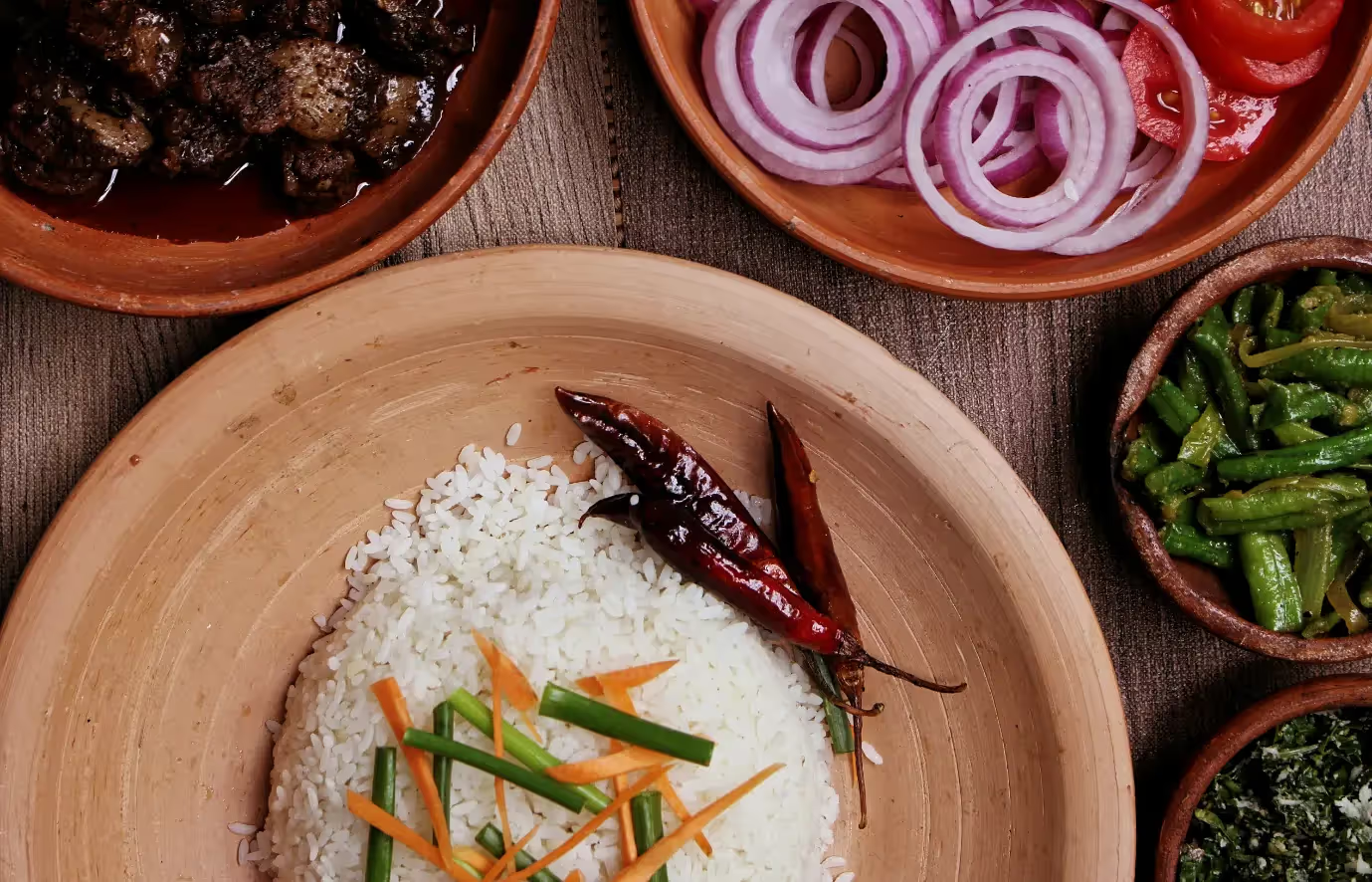
If any one dish can say to represent Sri Lanka's culinary identity, it is most surely rice and curry. It's more than mere food—it's an experience. A standard serving consists of a generous mound of rice flanked by several curries and accompaniments, such as dhal (lentil curry), coconut sambol, spicy chicken or fish curry, and tempered vegetables. Every region has its own twist on rice and curry, with differences in spice mixes and preparation methods.
In coastal regions, fish or crab curry is preferred, whereas inland towns such as Dambulla have peppery chicken curry. The combination of spices like turmeric, cinnamon, fenugreek, and curry leaves makes a richly flavored meal that will be your favorite throughout your Sri Lanka tour. Expect to pay anywhere from LKR 300–LKR 1000 (USD 1–3) in local restaurants, while a more upscale experience in a boutique hotel might run in the range of USD 10–15.
Once you know what to order, our guide to the best restaurants and eateries around Sri Lanka will help you find the right spots to try each dish across the island.
Hoppers, or "appa," are bowl-shaped pancakes prepared using fermented rice flour and coconut milk. They are crispy on the edges and soft in the middle, ideal for breakfast or dinner. Egg hoppers, which have a cracked egg in the center during cooking, are particularly popular and usually served with spicy sambols or a mild curry.
If you are walking through neighborhood food stalls or even eating at a small family-owned guesthouse near Sigiriya, you'll almost invariably be able to find hoppers listed on the menu. Although they appear to be fragile, hoppers are extremely flavorful and fairly filling. A serving of hoppers from a street stall or informal restaurant will cost you approximately LKR 150–300 (USD 0.50–1.00), which makes it one of the cheapest yet most fulfilling dishes to have on your 5-day Sri Lanka tour.
If you want a deeper understanding of Sri Lankan food culture and ingredients before your trip, our full Sri Lankan cuisine popular foods guide is a great starting point.
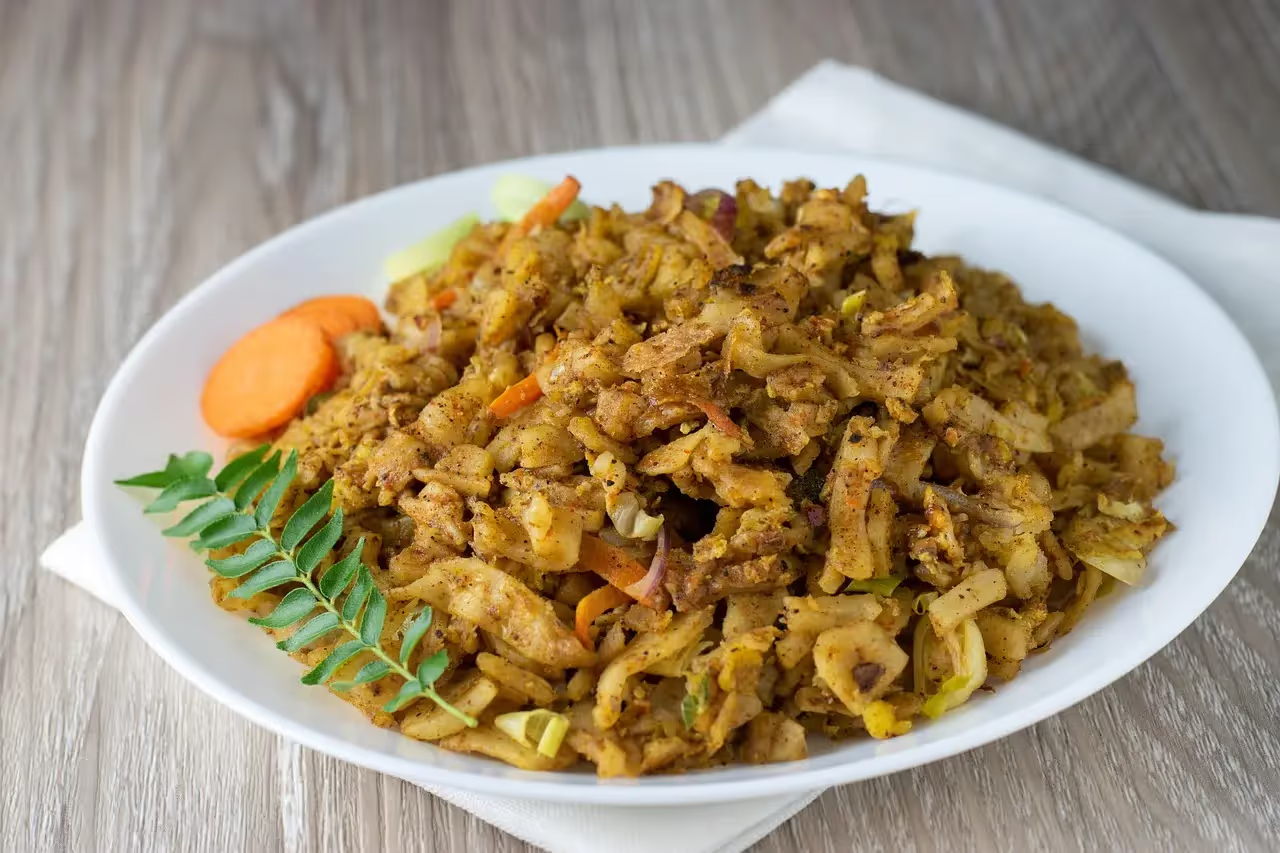
As the sun sets, Sri Lanka's streets are filled with the clang of metal on metal—that's the unmistakable beat of kottu being prepared. Kottu roti is a stir-fry that is prepared by cutting up godamba roti (flatbread) and combining it with vegetables, egg, and a selection of meat such as chicken, beef, or fish. It's spicy, flavorful, and deliciously greasy—the perfect comfort food.
You’ll find the best kottu in cities like Colombo and Kandy, but smaller towns like Dambulla also have beloved local kottu shops where the dish is prepared fresh right in front of you. Some versions also include cheese or even seafood, adding a unique touch to this already indulgent dish. Prices range from LKR 400 to LKR 700 (USD 1.50–2.50), and you’ll often find vegetarian versions as well, which are just as delicious.
A product of the Dutch-Burgher community in Sri Lanka, lamprais is a dish that's baked and served in banana leaves, with both European and Sri Lankan influences. It's rice cooked in stock, meat curry (beef or chicken), deep-fried boiled egg, ash plantain, and brinjal moju (eggplant pickle), all neatly folded into a banana leaf package and baked for a few hours.
This meal is typically only available in Colombo and its outskirts, sold usually at the weekend on specialty restaurants or colonial-style coffee shops. A bit pricier at about LKR 1000–1500 (USD 3–5), but well worth it if you wish to sample something genuinely authentic in your Sri Lanka travel adventure.
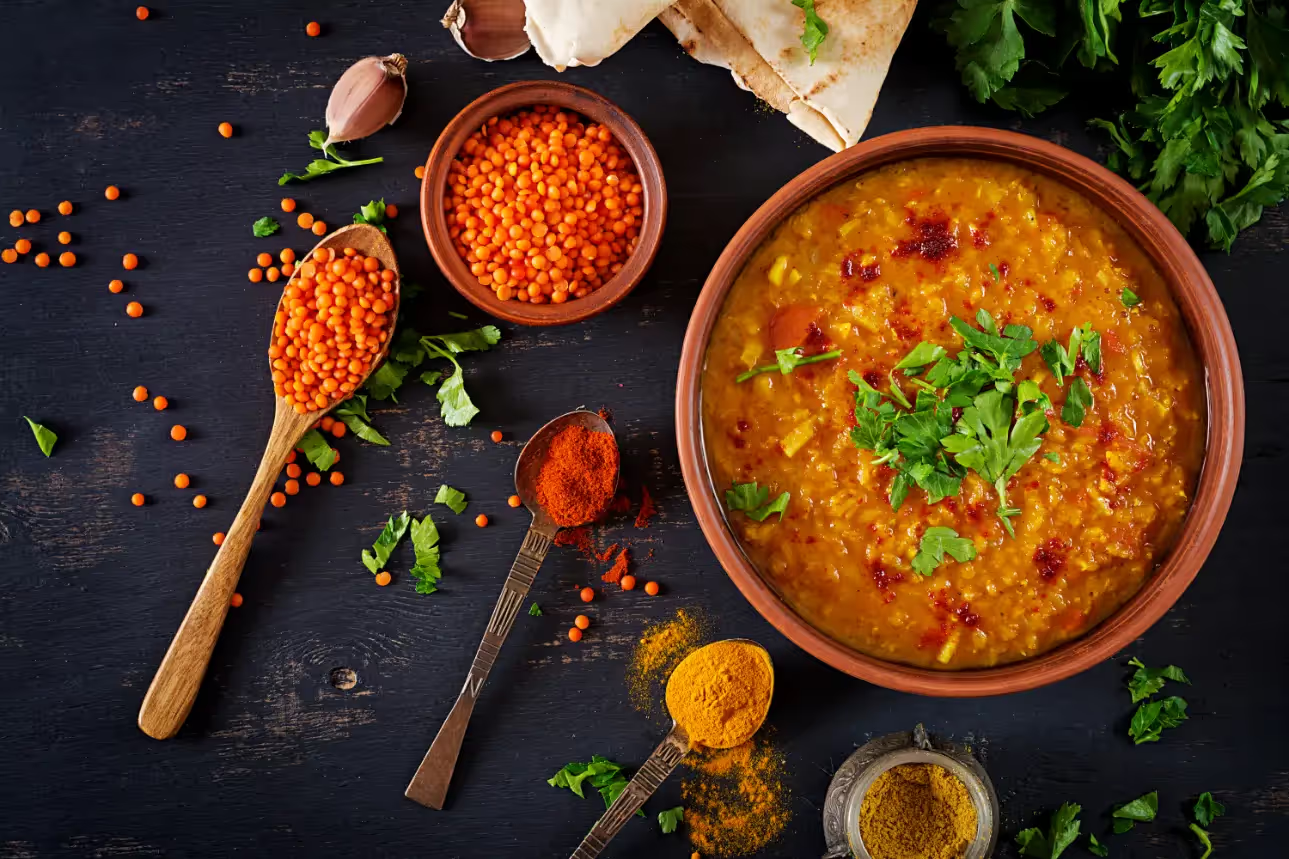
Pol sambol is a hot coconut relish prepared using grated coconut, red chili flakes, lime juice, salt, and sometimes Maldive fish. It's typically served with rice, string hoppers, or hoppers. Lunu miris, however, is a raw onion and chili paste with extreme heat—certainly not for the faint of heart.
These condiments are not side dishes at all—their flavors tend to overshadow everything else. Both of them are generously served at breakfasts in Sigiriya area eco-lodges or beachside cafes along the south coast. If spicy food is not your dish, request a milder version or try a small serving first.
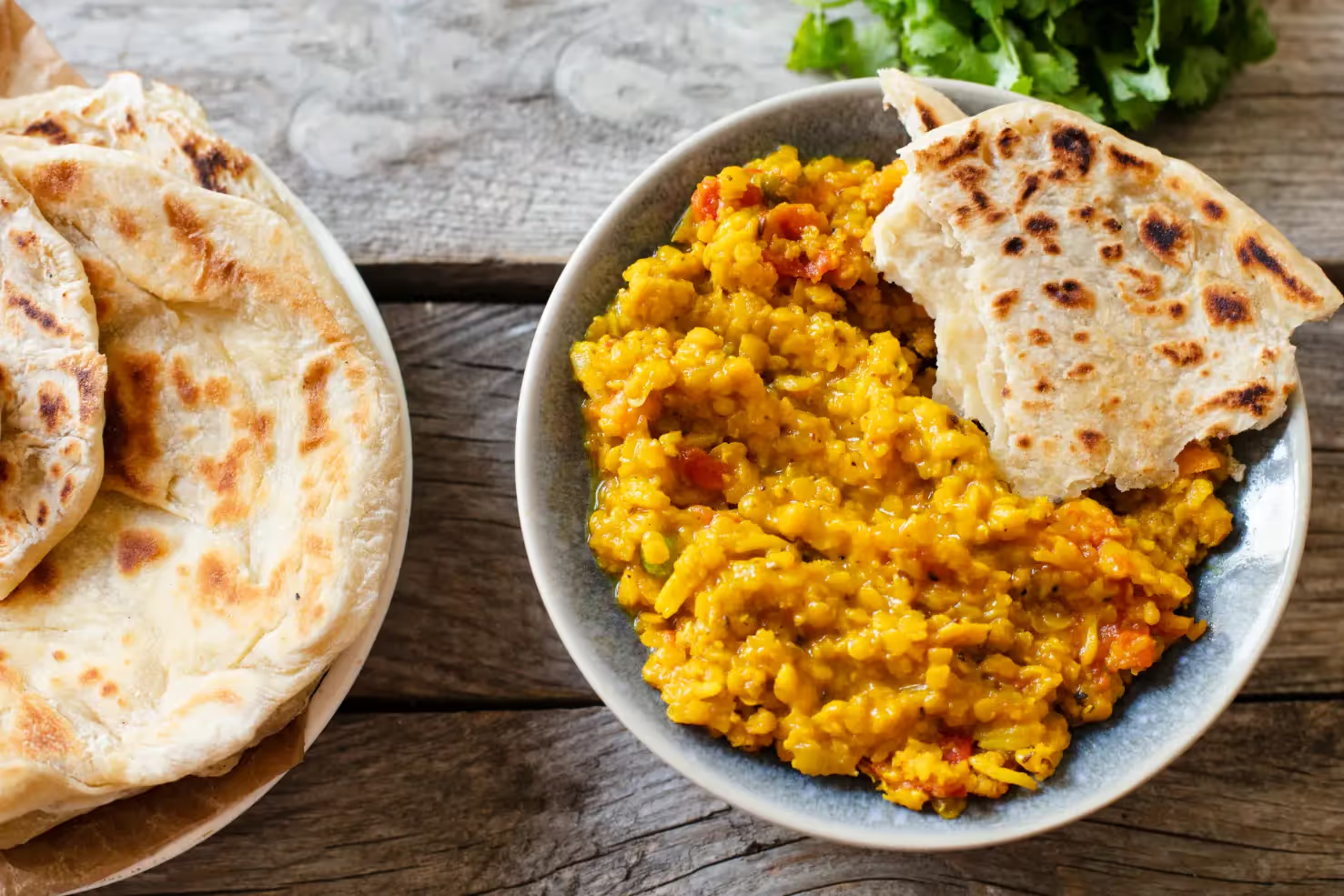
Sri Lanka is a vegetarian heaven, with most traditional foods either plant-based or easily substitutable. Dhal curry, or "parippu," a red lentil, coconut milk dish seasoned with a mixture of spices, is a comforting one. Gotu kola sambol, a salad comprised of finely chopped pennywort leaves, coconut, and lime juice, is refreshing and nutritious.
You’ll find these dishes across the island—from roadside eateries in Dambulla to fine-dining restaurants in Galle. Whether you’re following a vegetarian diet or just want a break from meat-heavy meals, these options are both nourishing and deeply flavorful. Prices range from LKR 200 to 600 (USD 0.75–2), depending on the location.
If you follow a Jain or strictly vegetarian diet, our Jain food guide to Sri Lanka covers which of these classic dishes are safe to eat and where to find them.
No Sri Lankan travel guide would be complete without sampling the island's rich desserts. Watalappan is a coconut custard spiced with cardamom, jaggery, eggs, and nutmeg. It's a Malay-influenced dessert that every Sri Lankan loves. Kalu dodol, on the other hand, is a dark, sticky jelly-like confection prepared using jaggery, coconut milk, and rice flour.
These sweet treats can be found widely in local restaurants, particularly on special occasions or festivals. They can also be bought in tiny packs at local food markets surrounding major sites such as the Dambulla Cave Temple or Sigiriya Rock Fortress. It would cost approximately LKR 100–300 (USD 0.30–1.00) for a small portion.
Every part of Sri Lanka offers something unique when it comes to cuisine. The north, which has a Tamil background, is all about spicy vegetarian fare such as dosa, idiyappam (string hoppers), and sambar. The central provinces—Kandy, Sigiriya, and Dambulla—are all about heavy fare based on rice and curry. There's fresh seafood along the south coast, and there's Batticaloa in the east that is renowned for its special crab curry.
As you move from one province to the next, you'll find differences in the preparation and seasoning of the usual fare. Even the humble coconut sambol will differ significantly from province to province, so each meal is a chance to find a new favorite.
Sri Lankan food is also deeply tied to its festivals — our Sri Lanka festival and food journey guide for Indian travellers is a fascinating companion read.
Dining Tips for the Conscious Traveler
If you have food restrictions, don't worry—Sri Lanka is one of the simpler countries in South Asia to travel with special dietary needs. Most restaurants and cafes are accommodating of vegetarian, vegan, and gluten-free diets, particularly in tourist areas such as Sigiriya and Colombo. If you're skipping spicy food, simply say "no chili" or "mild, please" and the staff will take it easy on the spice.
Also, don’t be shy about eating with your hands—it’s customary in Sri Lanka, particularly when enjoying rice and curry. Just remember to wash your hands before and after the meal. Bottled water is widely available and inexpensive, which is great for keeping hydrated as you explore local flavors.
Wrapping It All Up
From aromatic curries and crunchy hoppers to spicy sambols and sumptuous sweets, Sri Lankan cuisine is a sensory delight that reflects the land's colorful cultural heritage. Whether at a street food stall in Dambulla or a gourmet dinner at a high-end resort in the neighborhood of Sigiriya, every meal you experience brings you closer to grasping the essence of Sri Lanka. For any traveler organizing their 5-day Sri Lanka stay, sampling these classic dishes is not a choice but a requirement. So tie a scarf around your waist, keep your camera close to click those vibrant food pics, and let your taste buds discover the culinary treasure this beautiful island has to offer.
Want to eat your way through Sri Lanka with a local expert? LocalHi creates tailor-made itineraries that include the best food experiences at every stop. Start planning with us at LocalHi!
Q: What is the most famous Sri Lankan dish?
A: Rice and curry — a multi-dish meal served on a banana leaf or plate, combining rice with dhal, coconut sambol, a protein curry, and several vegetable dishes.
Q: Is Sri Lankan food spicy?
A: It can be. Sri Lankan cuisine uses a lot of chilli, but most restaurants adapt the heat for foreign visitors on request. Coastal cuisine tends to be milder than upcountry food.
Q: What is the best street food in Sri Lanka?
A: Hoppers with egg and sambol, kottu roti, devilled cashews, and wood apple juice are the best street food experiences — found everywhere from Colombo to Ella.
Q: Where can I eat the best seafood in Sri Lanka?
A: The south coast towns of Mirissa, Galle, and Tangalle offer outstanding fresh seafood. Jaffna in the north is famous for crab curry.
Q: Can LocalHi include food experiences in a Sri Lanka itinerary?
A: Yes — LocalHi builds food-focused Sri Lanka journeys incorporating cooking classes, market visits, curated restaurant recommendations, and regional food trails.
CURATED TOP DESTINATIONS


Subscribe for more updates!
Get exclusive travel inspiration, private itinerary ideas, and
curated destination guides from LocalHi's travel designers.