
Subscribe for more updates!
Get exclusive travel inspiration, private itinerary ideas, and
curated destination guides from LocalHi's travel designers.

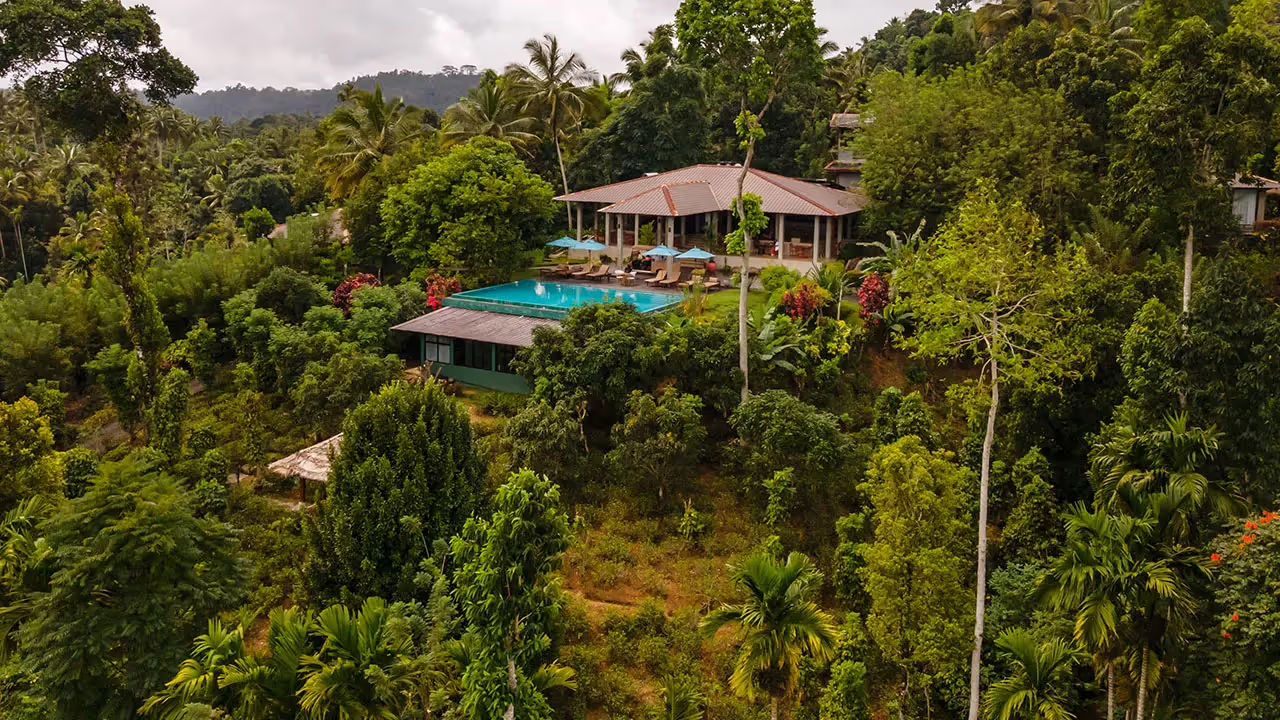
Sri Lanka is one of those rare places where nature and culture collide in full colour. But the same landscapes that draw travellers in—the wild coasts, cloud forests, and centuries-old temples—are also under strain. Climate shifts. Overdevelopment. Mass tourism that takes more than it gives. So if you’re going to visit, how you travel matters. And where you stay matters even more. Many of Sri Lanka's most sustainable hotels are also its most distinctive boutique stays — our guide to the best boutique hotels in Sri Lanka has more options to explore.
The eight properties below weren’t chosen for the size of their pools or the fluff of their pillows (though they’re all beautiful, no doubt). They were chosen because they’re doing the work—quietly, deliberately, and without greenwashing the experience. These aren’t just eco-hotels in the marketing sense. They’re places that have built sustainability into their foundations.
• Sri Lanka has a strong tradition of eco-tourism driven by its biodiversity, wildlife, and conservation focus.
• Top eco-friendly stays are found near national parks, tea country, and off-the-beaten-path coastal areas.
• Look for properties with green certifications, community employment initiatives, and plastic-free policies.
• Sustainable hotels in Sri Lanka often provide immersive nature experiences as part of your stay.
• Choosing eco-hotels directly supports local communities and wildlife conservation efforts.
• Sri Lanka's eco-luxury segment is growing rapidly, with many properties offering high-end comfort alongside sustainability.
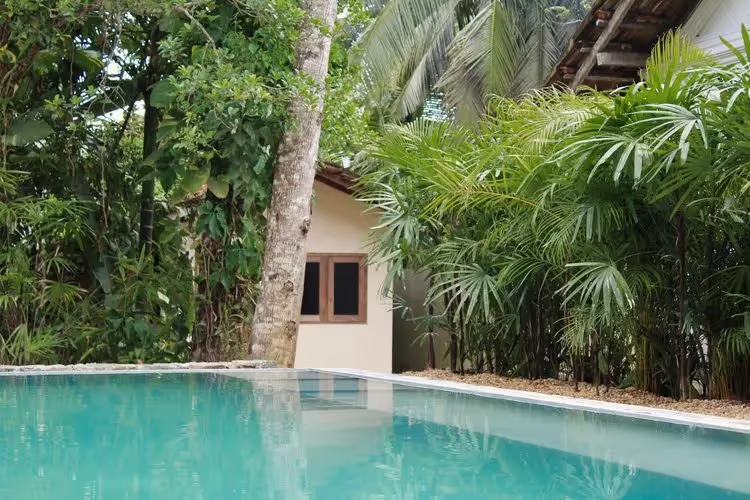
This isn’t your typical beach stay. The Kip is a tiny, design-forward guesthouse tucked into a village just inland from Ahangama’s surfy coastline. It’s run by a couple who’ve turned an old house into a place that feels both handmade and honest. Solar power, natural ventilation, no air conditioning, zero single-use plastics. Even the food at the in-house café is plant-based and locally sourced. It doesn’t try to impress. It just quietly exists with integrity—and invites you to do the same while you’re there.
Several eco-friendly retreats in Sri Lanka also offer Ayurvedic healing programmes — our guide to luxury wellness and Ayurveda in Sri Lanka covers the best of them.
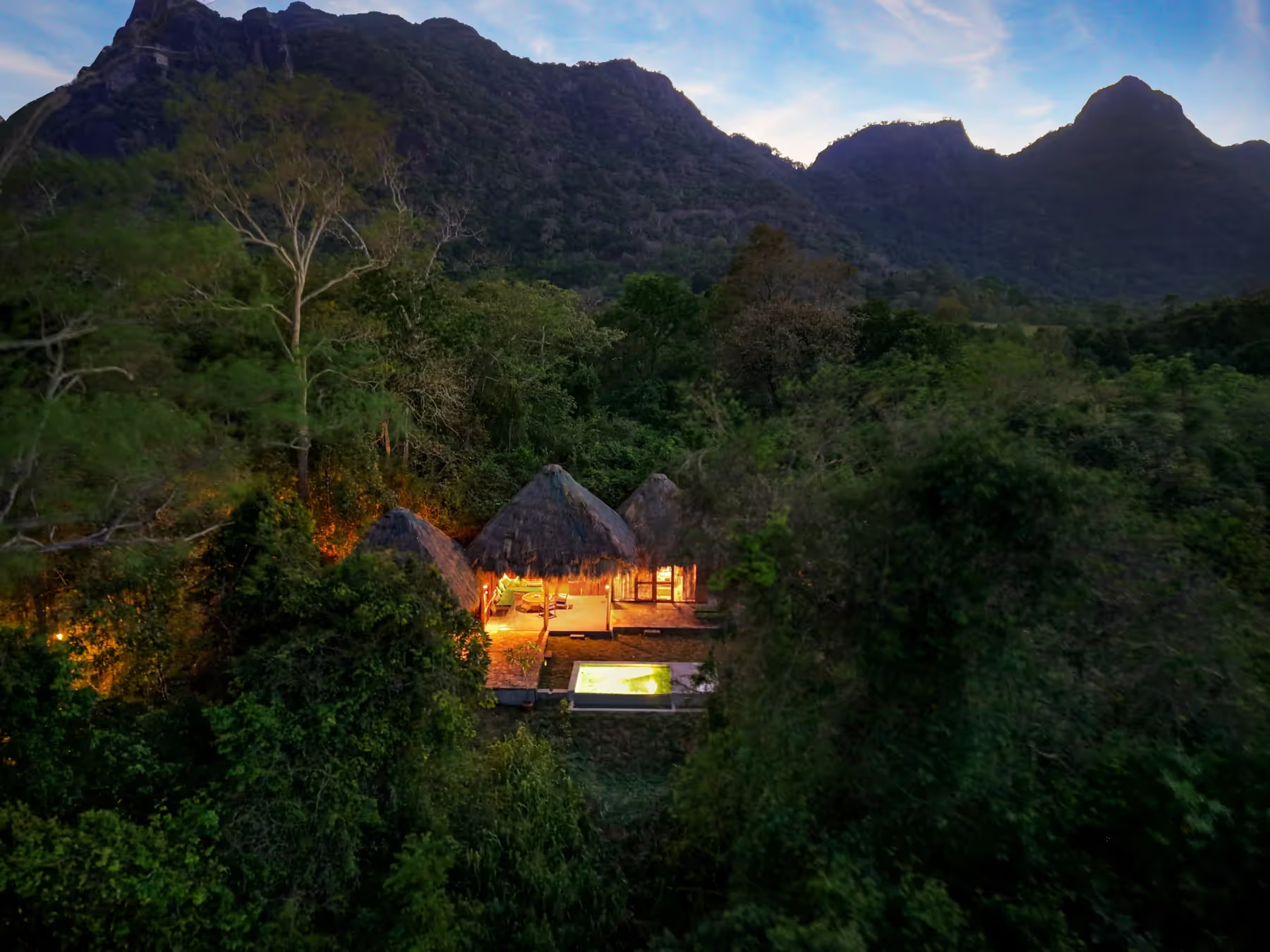
Deep in Sri Lanka’s forgotten east, Gal Oya Lodge sits on the edge of a national park few people have even heard of. Elephants swim here. Tribal elders still walk the forest paths. The lodge was built in collaboration with local artisans, using stone and wood that blends into the trees. Not a single tree was cut during construction. Solar panels run the power. Greywater gets reused in the gardens. But beyond the systems, the team here does something rare: they listen to the land. You feel it in the way the lodge fits into the forest without needing to announce itself.
If staying near a national park is part of your plan, read our complete guide to wildlife safaris in Sri Lanka — it covers the best eco-lodges near Yala, Wilpattu, and Minneriya.
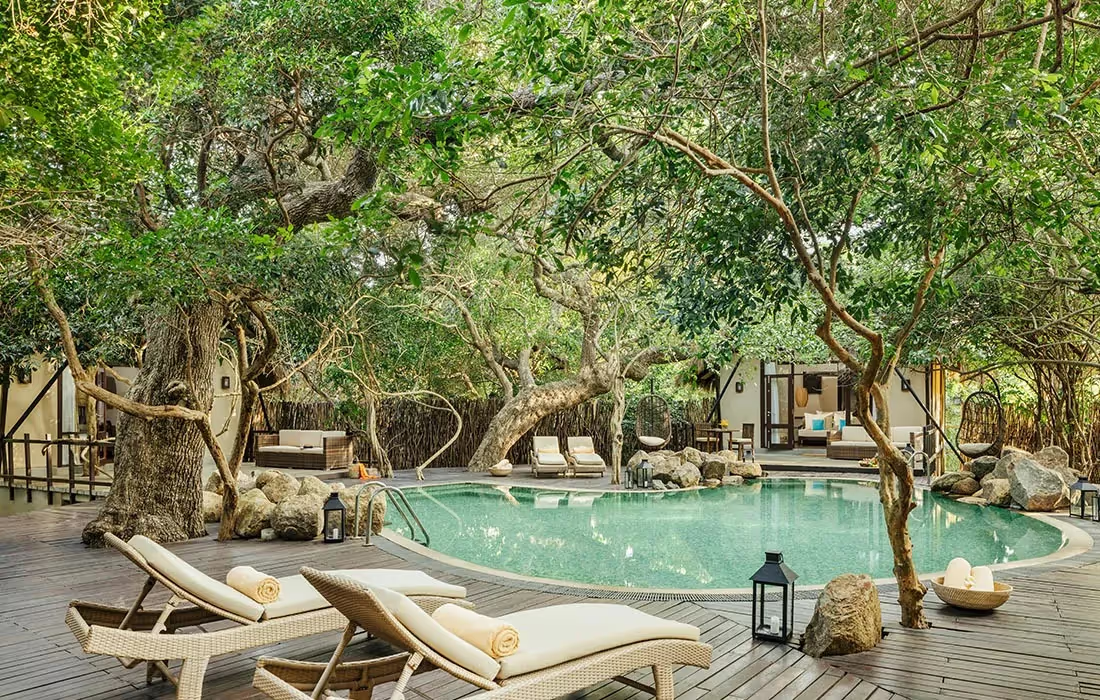
A thatched-roof escape between the Indian Ocean and a mangrove lagoon, Jungle Beach manages to deliver barefoot luxury without compromising the ecosystem around it. Built with a minimal footprint and hidden behind native vegetation, the property feels like it grew there. Uga Escapes as a brand has invested heavily in green tech—on-site water bottling, waste management, and energy monitoring. But what makes this place work is that the luxury is quiet. It doesn’t interrupt the natural world; it folds into it.
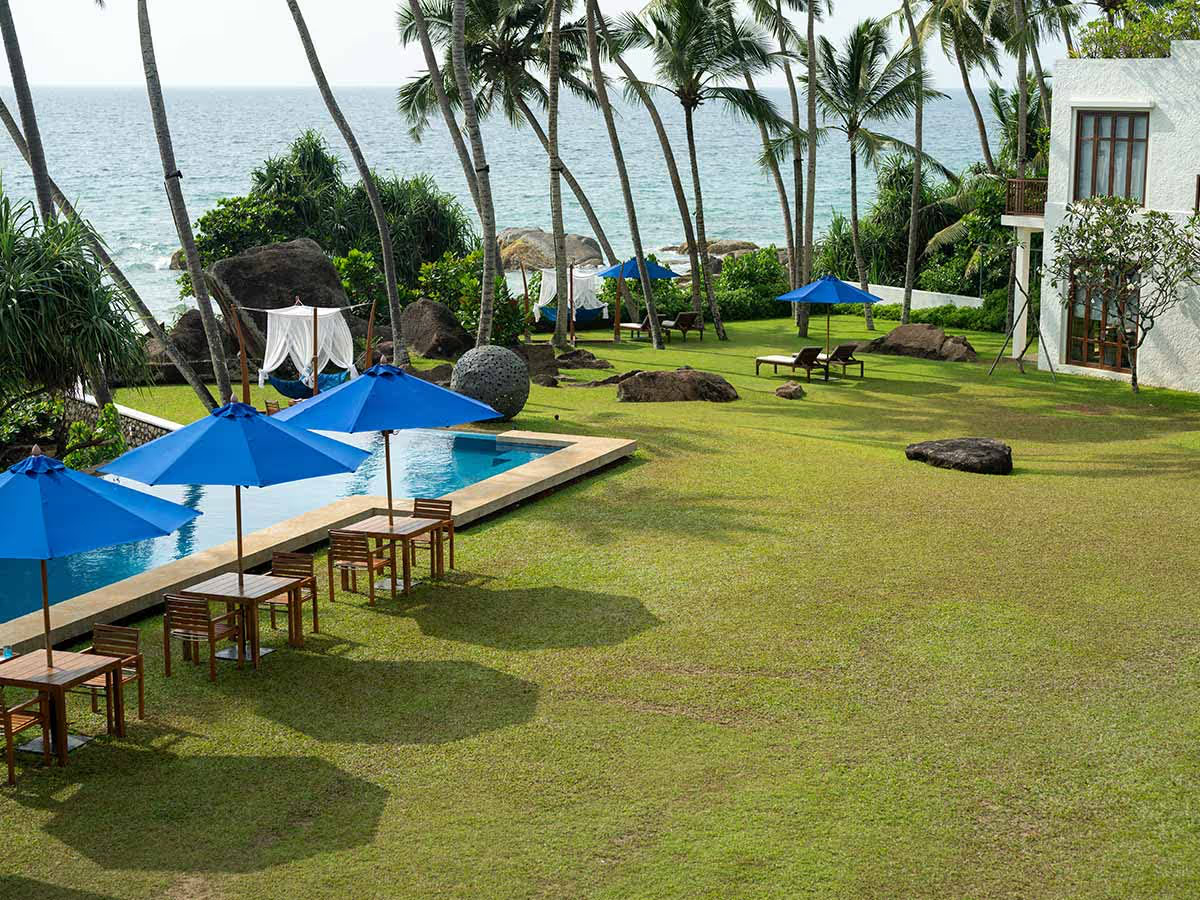
Kumu Beach offers a different side of sustainable travel. It’s sleek. Modern. A pool that seems to pour into the ocean. But behind the clean lines and polished feel is a thoughtful approach to hospitality. As part of Teardrop Hotels, Kumu supports reforestation, coral restoration, and community partnerships. The building was designed with passive cooling in mind, and the kitchen works with local fishermen and organic farmers. It proves that sustainability doesn’t mean going off-grid—it just means making better choices at every level.
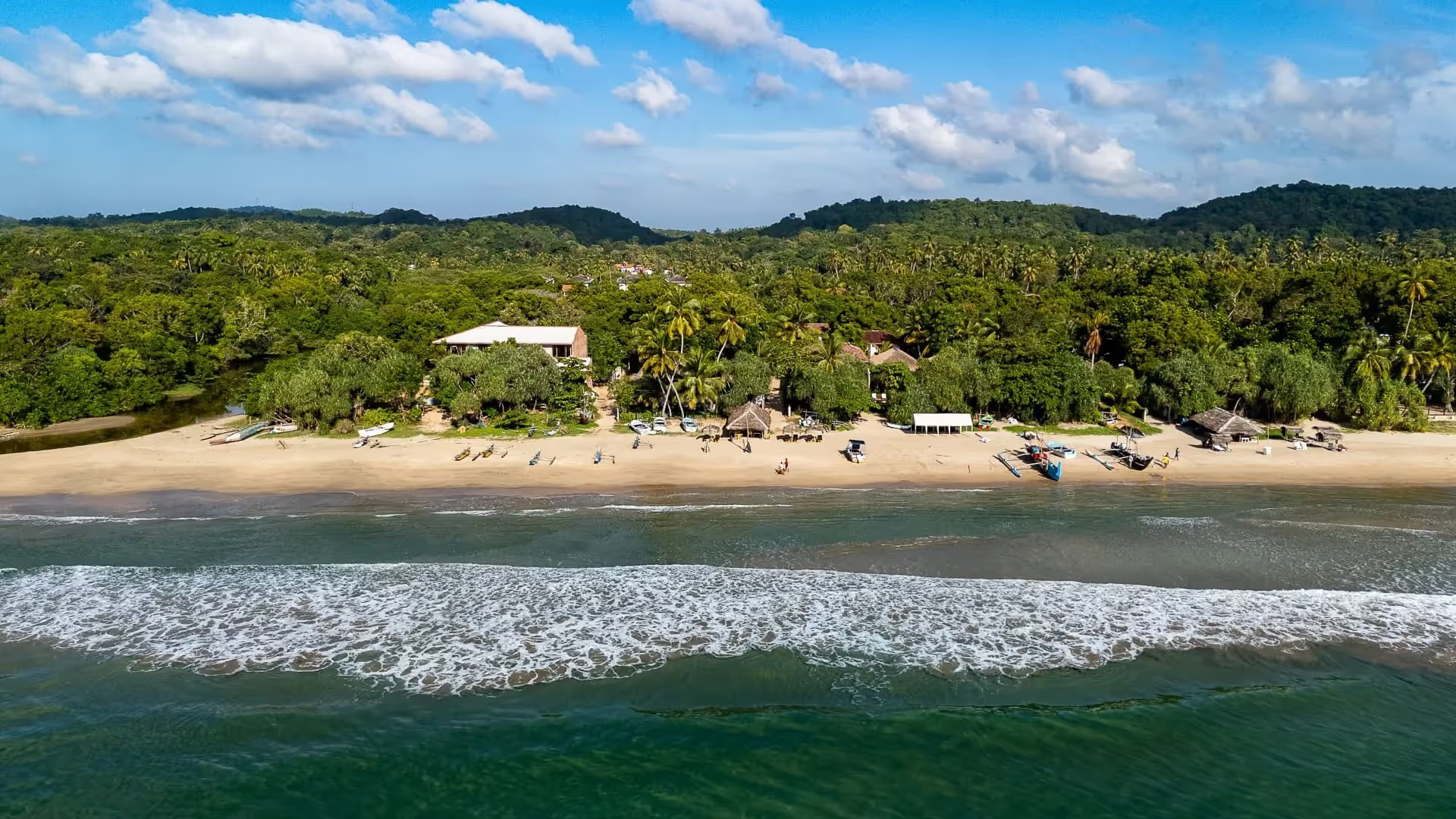
Set along one of the quietest beaches on the southern coast, Halcyon Mawella offers calm over flash. Its architecture is open, allowing breeze and shade to do the work rather than air conditioners. The design blends into the coconut groves, and the property runs on simple systems—harvested rainwater, biodegradable toiletries, and locally grown ingredients. There’s no big sustainability pitch here. Just a way of doing things that feels natural, unforced, and deeply respectful of the coast it calls home.
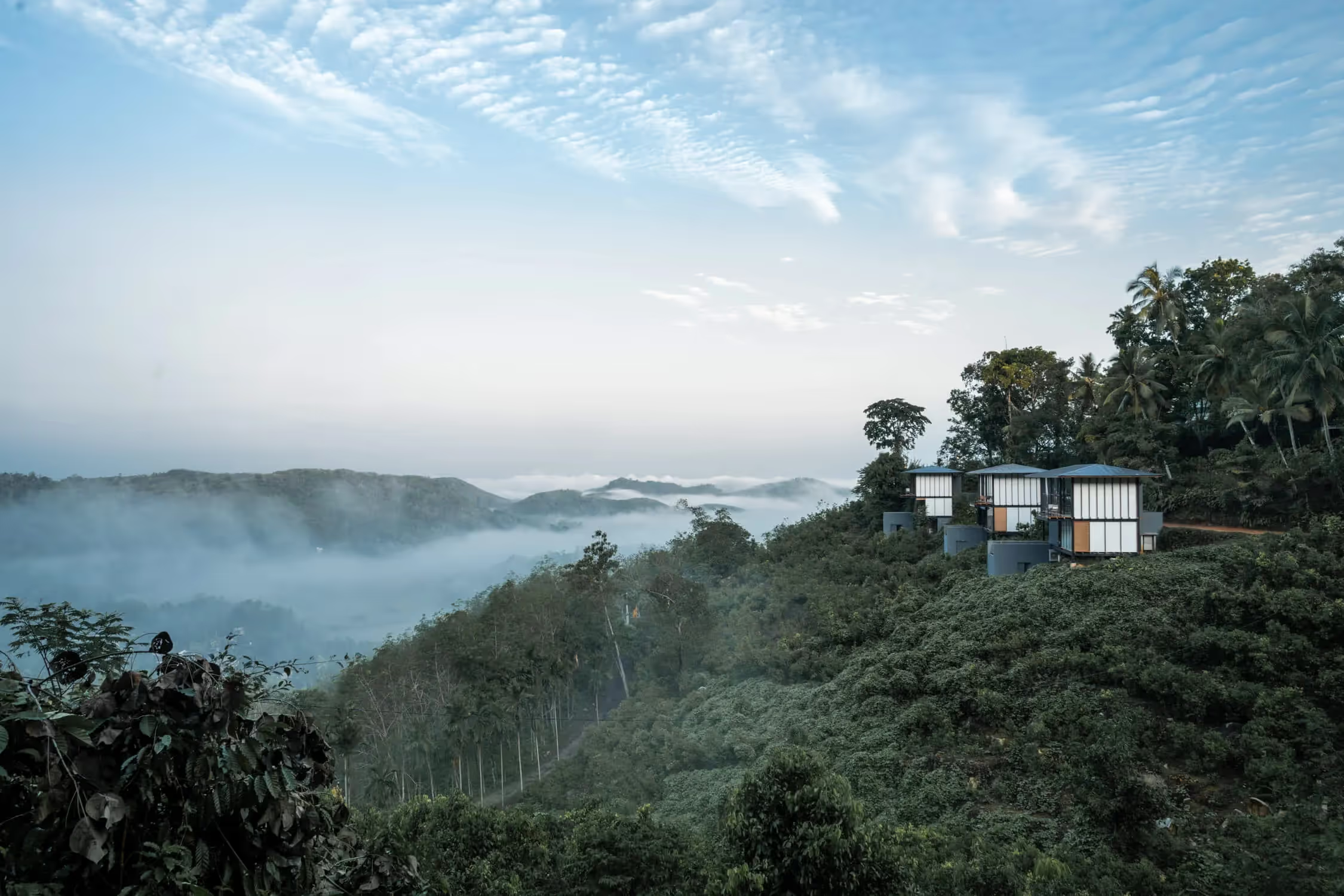
A restored estate house set among cinnamon and tea, Glenross reimagines colonial architecture for modern travellers who care about footprint as much as experience. The estate is mostly off-grid, with solar panels, composting systems, and water filtration built in. Ingredients for the on-site restaurant are either grown on the estate or sourced within walking distance. Instead of artificial wellness, you’ll find forest walks, slow meals, and silence that’s not curated—it’s real.
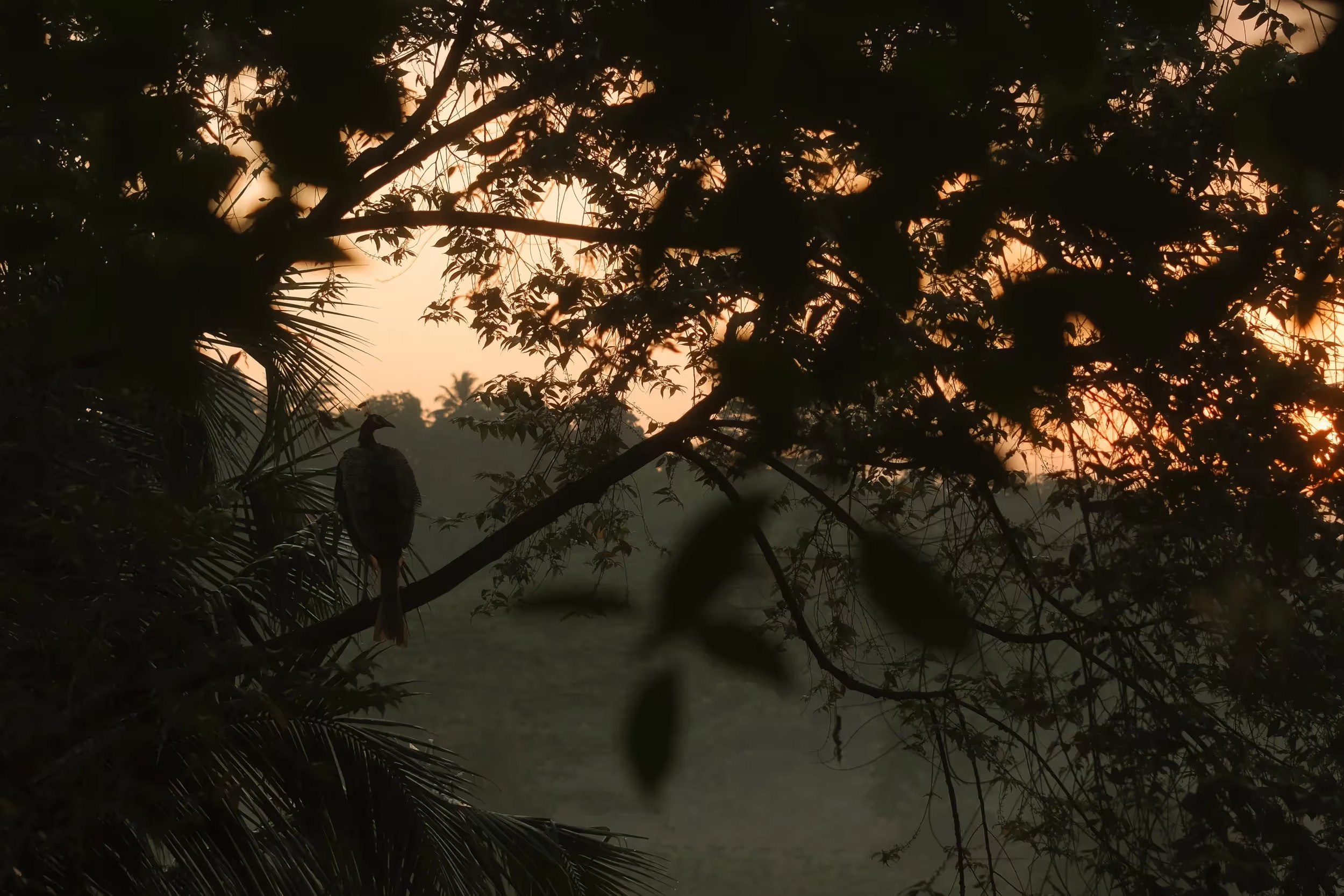
Just a few minutes inland from the coast, Tekanda sits in the hills above Ahangama with a view that opens into jungle. The lodge itself is small—only a handful of rooms—but it’s built for low-impact living. Solar energy powers the essentials, plastic has been phased out entirely, and reforestation is ongoing across the surrounding land. Even the materials used for the buildings were locally sourced and left raw. There’s a feeling here of being tucked into nature rather than standing on top of it.
High in the hills outside Kandy, Aarunya offers a version of luxury that doesn’t feel wasteful. The villas, perched on a former tea estate, come with mountain views and plunge pools—but also composting, solar energy, and a commitment to zero-waste principles. What’s especially unique is how the resort connects back to ancient Ayurvedic traditions. Herbs are grown on-site. Meals are designed with balance in mind. And there’s a quiet effort throughout to preserve the land while welcoming you into it.
A visit to a working tea estate pairs perfectly with an eco-lodge stay in the hill country — our guide to Sri Lanka's tea plantations explains what to expect and how to plan your visit.
There’s a difference between places that look sustainable and places that are. These eight hotels aren’t perfect—but they’re real. They employ locals, minimise their footprint, support their ecosystems, and don’t try to dominate the landscapes they’re in.
If you are undecided on where in Sri Lanka to stay sustainably, our 2026 where to stay in Sri Lanka guide gives a regional breakdown that will help you choose the right base.
In a country as ecologically rich and culturally layered as Sri Lanka, that matters. The impact of your stay doesn’t end when you check out. And the right kind of travel doesn’t take—it gives something back.
So if you're going to go, go right. Choose places that care. And let that change how you see the world, even just a little.
Q: What makes a hotel 'eco-friendly' in Sri Lanka?
A: Genuine eco-friendly hotels use renewable energy, source food locally, employ community members, minimise plastic use, and operate with low environmental impact. Look for certifications and transparent policies.
Q: Are eco-friendly hotels in Sri Lanka comfortable?
A: Yes. Eco-luxury is a growing category in Sri Lanka, with many sustainable properties offering excellent comfort, design, and service alongside their green credentials.
Q: Which national parks have eco-lodges nearby in Sri Lanka?
A: Yala, Wilpattu, Minneriya, and Udawalawe all have eco-lodges or nature camps nearby. These provide excellent wildlife access with a low footprint.
Q: Is sustainable travel more expensive in Sri Lanka?
A: Not necessarily. While some eco-luxury properties are premium-priced, many community-run guesthouses and eco-camps offer affordable sustainable options.
Q: Can I do a full eco-friendly trip to Sri Lanka?
A: Absolutely. You can plan your entire trip around eco-lodges, wildlife experiences, local food, and responsible activity operators. LocalHi can help design this kind of itinerary.
Q: What responsible activities can I do in Sri Lanka?
A: Ethical elephant encounters (observation-only), wildlife safaris, sea turtle conservation visits, tea estate walks, and community village tours are all responsible options in Sri Lanka.
CURATED TOP DESTINATIONS


Subscribe for more updates!
Get exclusive travel inspiration, private itinerary ideas, and
curated destination guides from LocalHi's travel designers.