
Subscribe for more updates!
Get exclusive travel inspiration, private itinerary ideas, and
curated destination guides from LocalHi's travel designers.

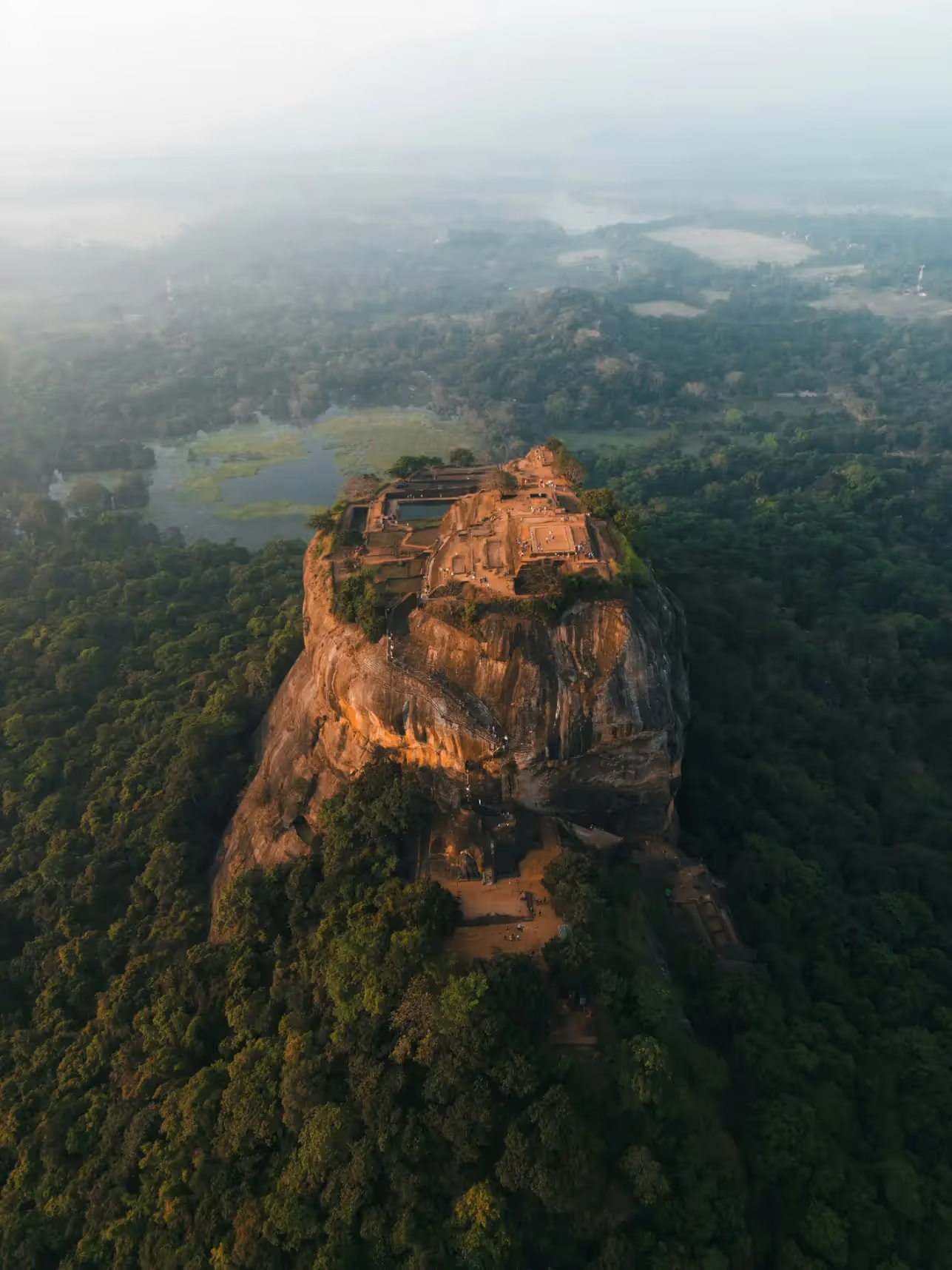
Planning a 5-day Sri Lanka itinerary, few areas provide cultural richness and aesthetic beauty as central plains of the island. The ancient rock citadel of Sigiriya and the holy cave temples of Dambulla are among the major attractions in the region. This region, located in what is often referred to as Sri Lanka’s Cultural Triangle, delivers a perfect blend of history, architecture, spirituality, and natural beauty. Whether you’re a history buff, a photography enthusiast, or someone just looking to immerse yourself in one of the most iconic parts of the country, Sigiriya and Dambulla deserve a prominent spot on your travel route. In this extensive travel guide, we'll guide you through a rich 5-day Sri Lanka travel itinerary that explores the majesty of Sigiriya and Dambulla and provide you with all the essentials to organize an unforgettable trip. Before choosing between the two iconic climbs, read our comparison of Sigiriya vs Pidurangala so you can plan your mornings accordingly.
Five days is the ideal length for Sri Lanka's cultural triangle — enough to climb Sigiriya, see Dambulla, do a safari at Minneriya, and still feel unhurried.
Sigiriya Rock Fortress is non-negotiable — arriving at opening time (6am) gives you the climb in cooler air and the summit almost to yourself.
Dambulla Cave Temple holds over 150 Buddha statues across five caves and is often done on the same day as Sigiriya with an early start.
Pidurangala is best at sunrise with Sigiriya as a backdrop — plan this as a Day 1 morning so you can climb Sigiriya itself in the afternoon.
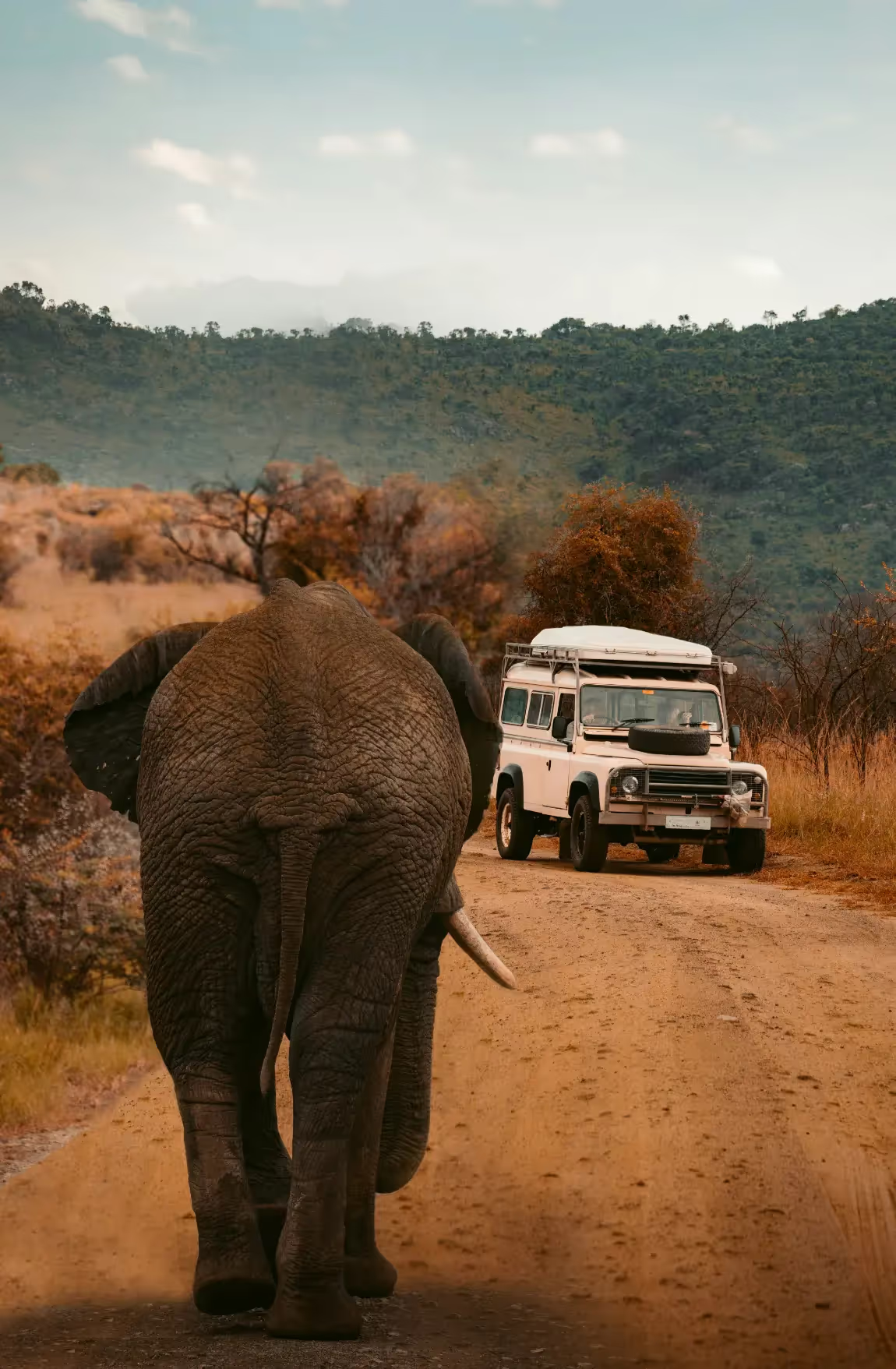
Minneriya National Park's elephant gathering peaks July to October — if your dates allow, time your itinerary around this window.
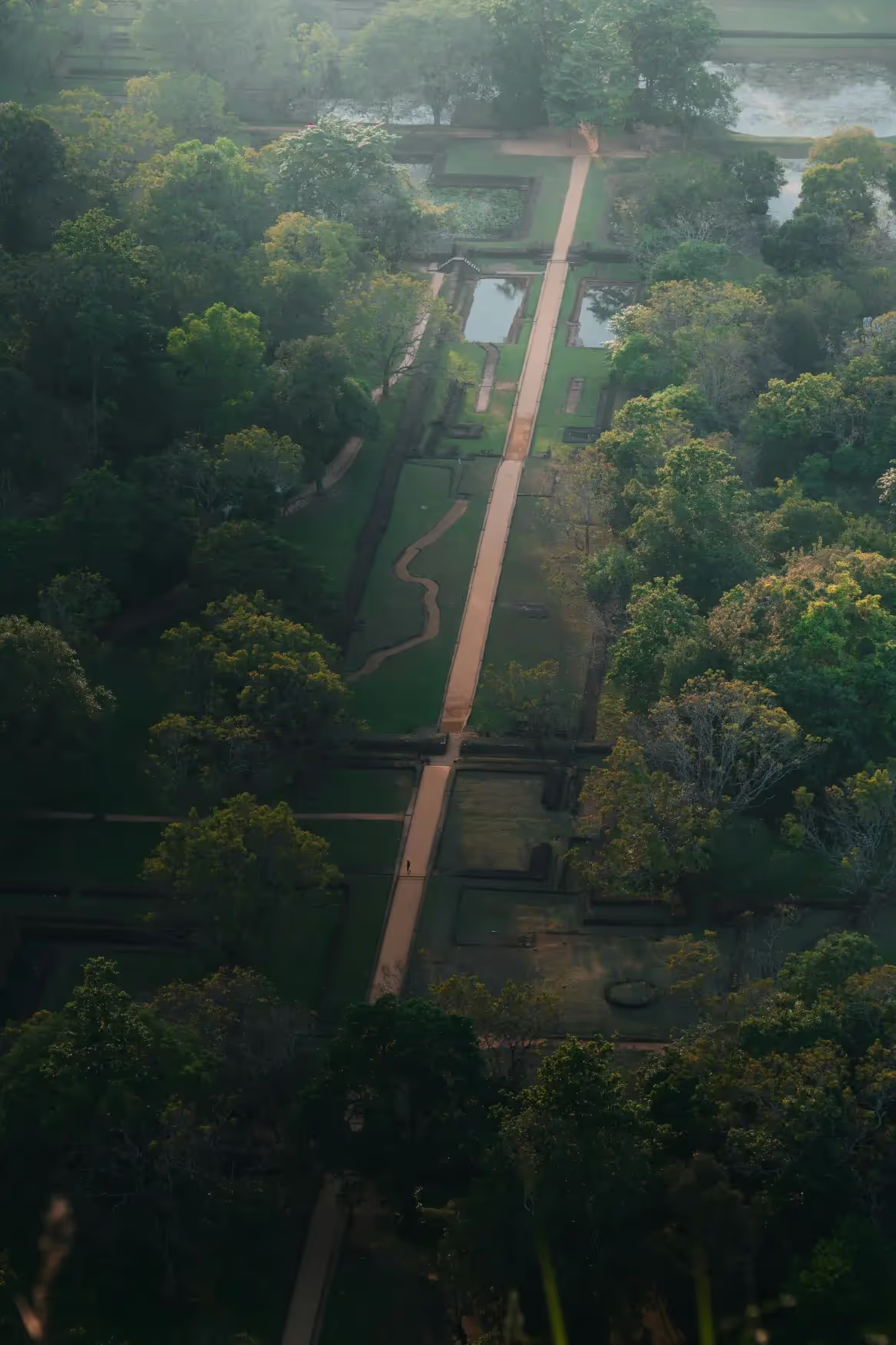
Sigiriya's tale begins with one as spectacular as its colossal rock face. Commonly referred to as the "Eighth Wonder of the World," Sigiriya was constructed in the 5th century AD by King Kasyapa, who converted this 200-meter tall rock into a stunning citadel and royal palace. The site had initially been a Buddhist monastery before the king appropriated it to use as his capital, strengthening the top with terraces, water gardens, and frescoes that were second to none in the ancient world. On Kasyapa's death, the fortress reverted to monastic purposes and ultimately passed into oblivion before being discovered again by British archaeologists during the 19th century.
Sigiriya is now a UNESCO World Heritage Site and one of the most visited places on any Sri Lanka travel guide. The ascent to the summit, although steep, is well worth it. You'll see along the way the celebrated frescoes of heavenly maidens, the Mirror Wall with ancient graffiti, and the Lion's Gate—a pair of giant stone paws that originally belonged to a complete lion statue, representing the power and majesty of Kasyapa's rule.
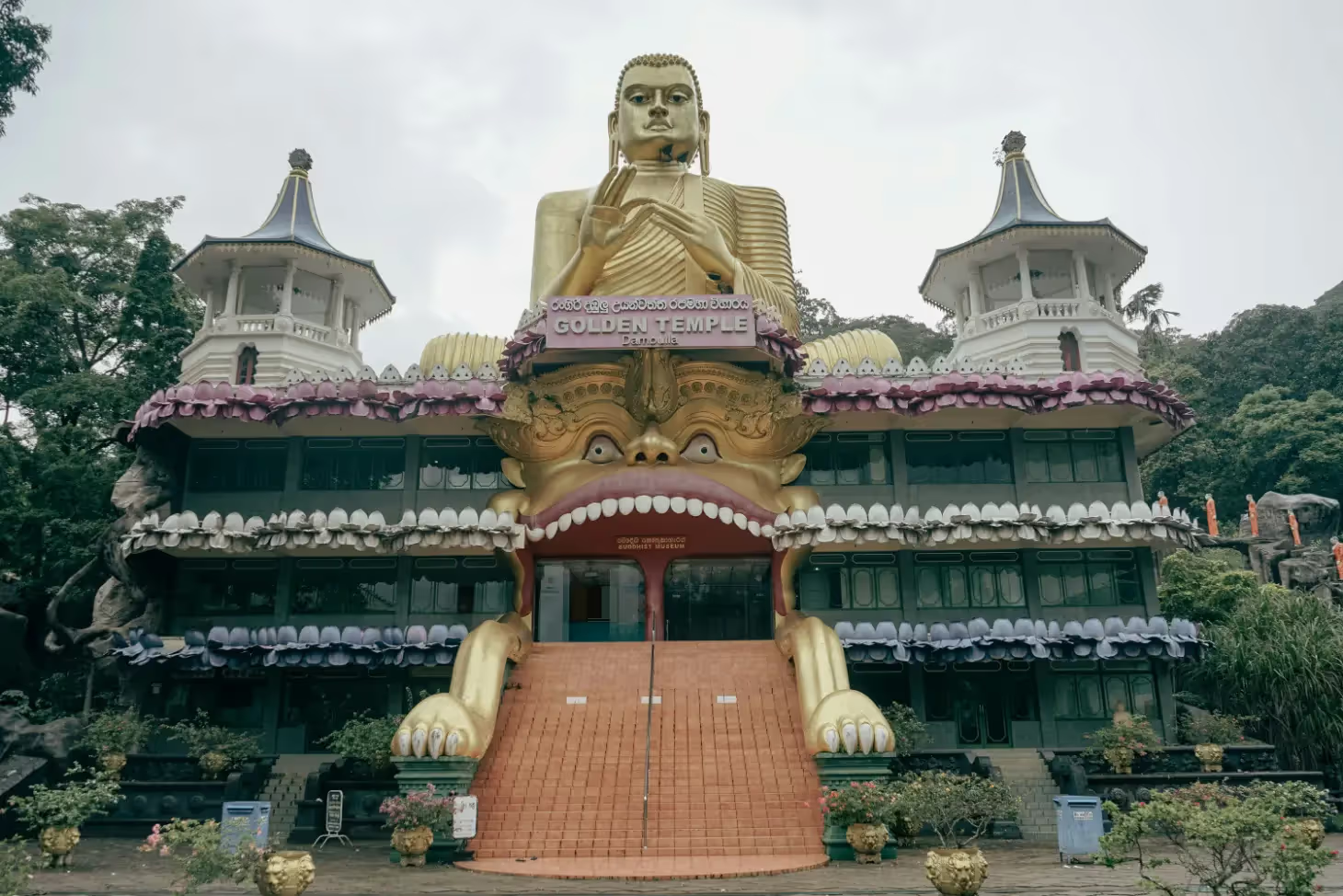
Only a short drive from Sigiriya, Dambulla is home to another UNESCO World Heritage site: the Dambulla Cave Temple, or the Golden Temple of Dambulla. While Sigiriya's climb is vertical, Dambulla beckons you to stroll uphill gently to a series of five caves hewn out of limestone that have been used for religious purposes for more than 2,000 years. The caves are filled with beautiful murals, delicate sculptures of the Buddha, and vibrant ceiling frescoes depicting scenes from Buddhist scripture.
The Dambulla Cave Temple came into existence under the rule of King Valagamba in the 1st century BC as he took shelter from South Indian invaders. Having been thankful to these caves for the refuge offered, the king subsequently transformed them into a temple complex after returning to power. This blend of art, religion, and history makes Dambulla a 'must-visit' place in your Sri Lanka travel itinerary, particularly for anyone interested in Buddhism and ancient structures. Our guide to the 10 best places to visit in Sigiriya covers everything worth your time beyond the rock itself.
When organizing your 5 days in Sri Lanka around Sigiriya and Dambulla, it's necessary to plan your timing and budget accordingly. Sigiriya is open to the public from 6:30 AM to 5:30 PM, and the last ticket is typically sold by 5:00 PM. Foreigner entrance fee is about USD 30. Cave Temple of Dambulla operates from 7:00 AM to 7:00 PM with a last admission at around 6:30 PM and an entrance fee that is a little lower, at about USD 10. Entrance tickets to both places are available on site, although one is advised to come early, especially during high-season travel from December to March. For dinner inspiration each evening, the top food dishes and restaurants in Sigiriya guide has every local eat worth knowing.
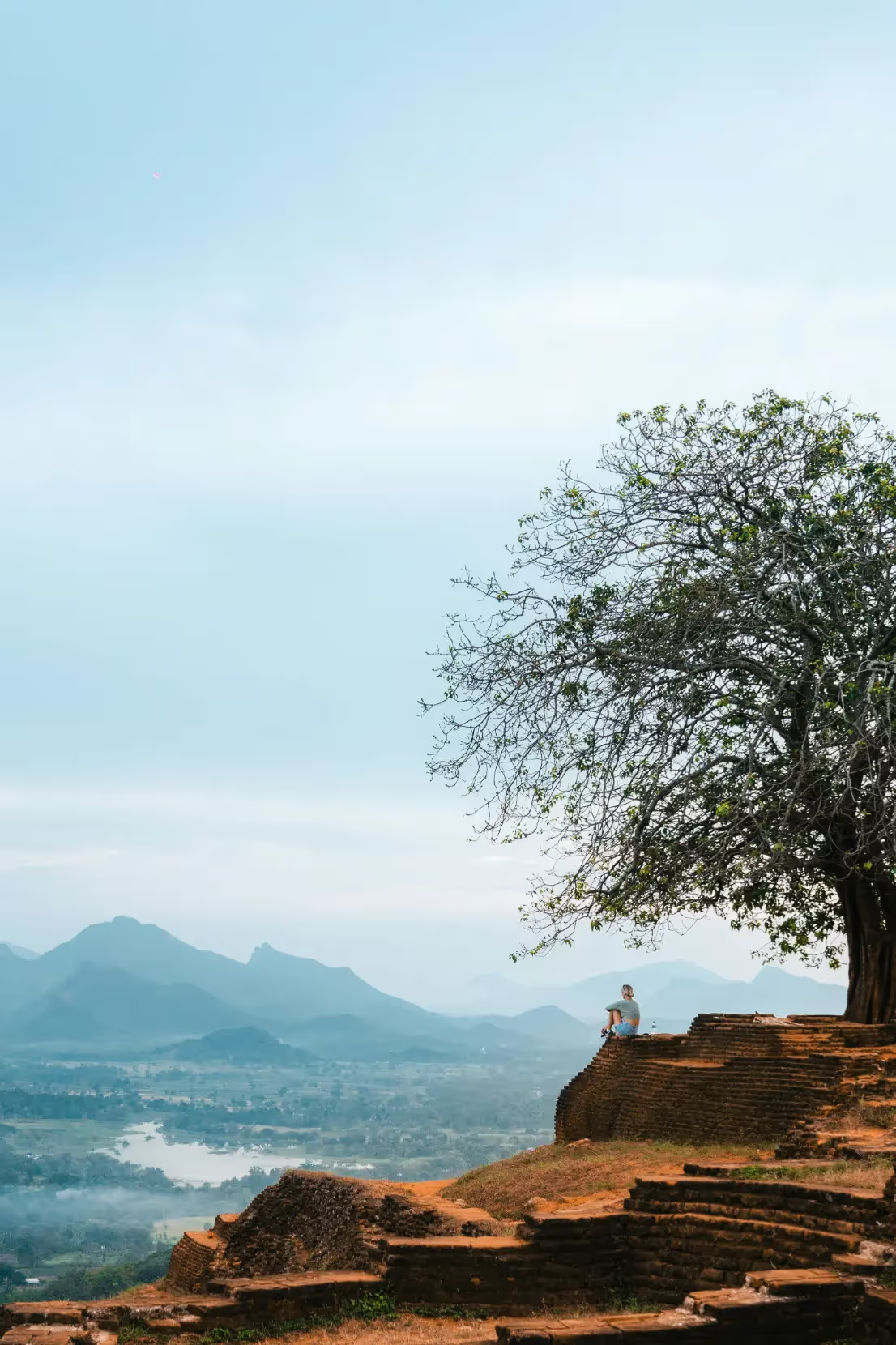
Sigiriya and Dambulla are among Sri Lanka's most popular destinations, so no wonder they're packed. Get there early, though, to beat the rush and get the most out of your experience. For Sigiriya, arrive at 6:30 AM sharp not just to avoid more people but to have a far cooler climb up the rock before the heat hits in the midday sun. Dambulla, being shadier, is slightly more forgiving during the day, but early mornings or late afternoons are still a more peaceful visit.
Another trick to steer clear of the crowds and achieve optimal light for photography is to visit Dambulla during the golden hour—either shortly after sunrise or shortly before sunset. The soft natural light pouring into the caves brings out the rich hues of the murals and provides a peaceful, meditative atmosphere that cannot be put into words.
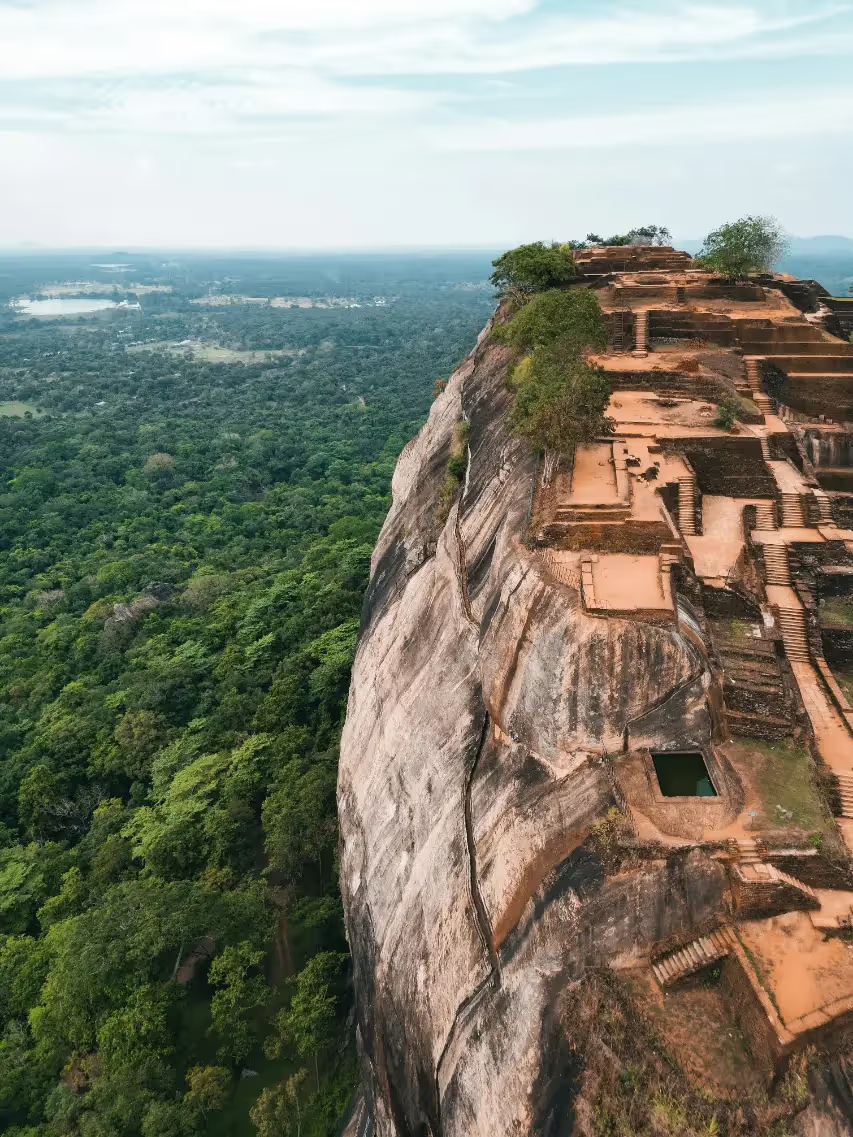
If you're a serious photographer or even a social media dabbler, Sigiriya and Dambulla provide some of the most photo-friendly locations in the nation. For Sigiriya, ascending the rock gives several viewpoints of the surrounding jungle and the perfectly symmetrical water gardens below. The most impressive photos of the rock fortress itself, however, are shot from the nearby Pidurangala Rock, which provides you with a bird's-eye view of Sigiriya majestically rising from the ground—particularly at sunrise.
Within Dambulla, light can be difficult to work with because the caves are naturally dim. A high-quality low-light camera or utilizing a cell phone with night mode assists in photography of the carved ceiling work and statues. Flash photography is avoided in general (and prohibited occasionally) in order to safeguard centuries-old paintings, so be sure to be mindful of your camera settings.
There are many accommodation choices near Sigiriya and Dambulla to suit all budgets and tastes. If you're looking for a more immersive, nature-based experience, eco-lodges and boutique hotels such as Jetwing Vil Uyana or Heritance Kandalama provide breathtaking views and peaceful surroundings near the main attractions. Budget travelers also have plenty of quaint guesthouses and homestays where you can enjoy true Sri Lankan hospitality.
Remaining in this region for a couple of nights provides you with plenty of time to visit both Sigiriya and Dambulla without feeling rushed, and also to go out to other local sites such as Minneriya National Park, renowned for its elephant congregations, or the ancient city of Polonnaruwa.
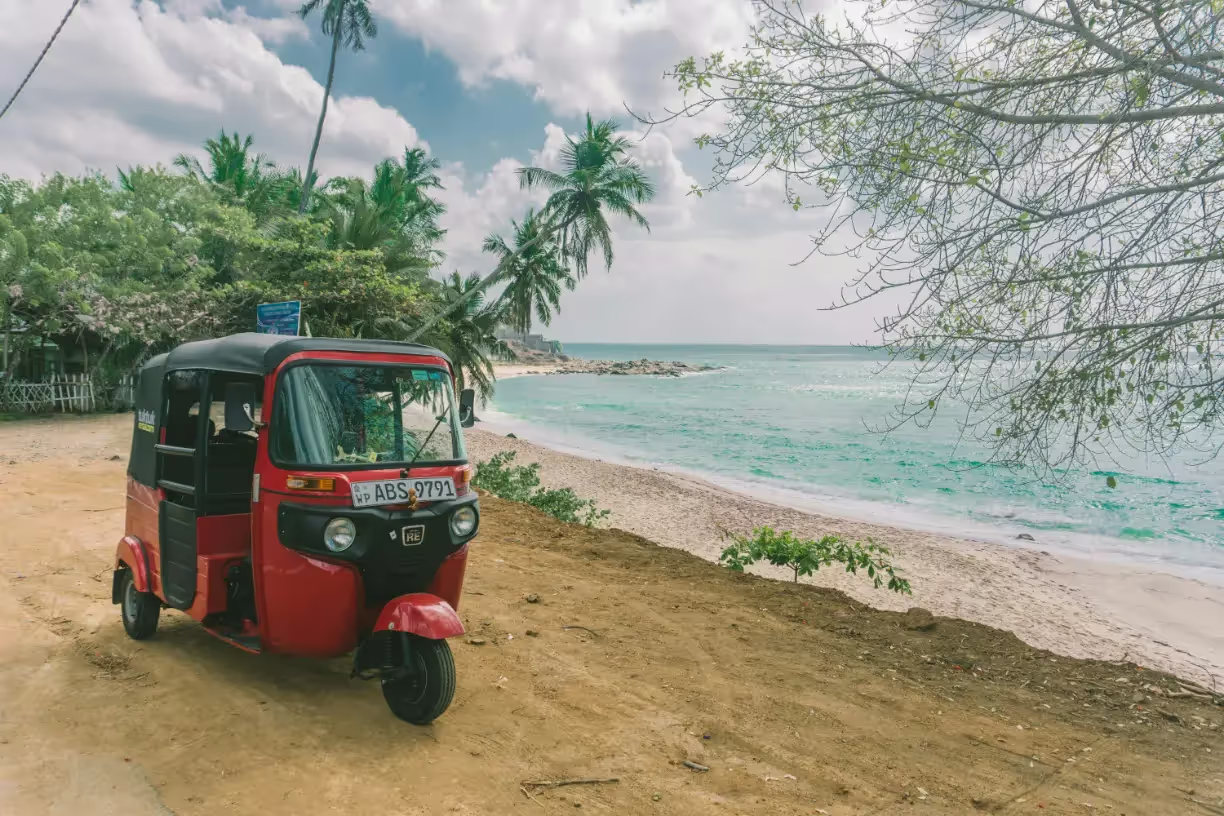
Sigiriya and Dambulla are well linked to major cities such as Colombo, Kandy, and indeed the coastal hotspots of Sri Lanka. From Colombo, you can travel by bus or train to Dambulla, a 4 to 6-hour journey, and then a brief tuk-tuk or taxi ride to Sigiriya. Alternatively, private transfers are an option and a far more comfortable (and quicker) way, especially if traveling with family or as a group.
From Kandy, a central city featured in many Sri Lanka travel books, the drive is approximately 2.5 to 3 hours and a great place to start your Cultural Triangle adventures. You can charter a private driver or take a bus—but the latter will be less convenient because of transfers and limited schedules.
If your 5-day Sri Lanka trip planning is with respect to Sigiriya and Dambulla, then definitely plan your initial two days so that you could relax in the region and move at leisure through Dambulla. Day 3 should involve an early morning hike up to Sigiriya and then you should head off towards Pidurangala to enjoy a sunset view. Use Day 4 for local exploration, possibly a Minneriya safari or a trip to nearby villages for a more authentic cultural experience. Save your last day for some relaxation, shopping, or a quick spa treatment before returning to your next destination.
This combination of adventure, history, and relaxation provides a balanced itinerary that perfectly showcases the best of what Sri Lanka has to offer in a short duration.
If you're extending your trip south, our 7-day Sri Lanka itinerary connects the cultural triangle with beaches and wildlife in a single route.
Traveling through Sigiriya and Dambulla is like entering a time capsule—one of royal drama, spiritual passion, and stunning scenery. These two stops, at the heart of any cultural Sri Lanka travel plan, provide more than just photo ops. They provide insight into the island's rich heritage and leave visitors with an abiding sense of wonder. Whether you’re standing atop the mighty Sigiriya Rock, gazing out over the endless green, or sitting quietly inside a dimly lit cave temple surrounded by ancient frescoes, you’ll feel a connection to something timeless. And that, more than anything, is the real magic of discovering Sigiriya and Dambulla.
Planning the cultural triangle? Let LocalHidesign your perfect Sri Lanka itinerary. →
How many days do you need for Sigiriya and Dambulla?
Three to five days covers the cultural triangle comfortably, allowing time for Sigiriya Rock, Pidurangala, Dambulla Cave Temple, a Minneriya safari, and the surrounding villages without feeling rushed.
Can you do Sigiriya and Dambulla as a day trip from Colombo?
Technically yes, but it's a very long day. Staying overnight in Sigiriya or Habarana is strongly recommended — early morning starts for the rock climbs make a significant difference to the experience.
What is the best hotel base for exploring the cultural triangle?
Habarana is the most central base — equidistant from Sigiriya, Dambulla, and Minneriya. Sigiriya village also has excellent boutique options for those who want to stay closer to the rock.
Is the Dambulla Cave Temple worth visiting?
Absolutely. It's one of Sri Lanka's best-preserved cave complexes, with over 150 Buddha statues and murals spanning 2,000 years — often underrated compared to Sigiriya but equally remarkable.
What should I wear to visit Sigiriya and Dambulla?
Light breathable clothing, a hat, and good walking shoes are essential. At Dambulla you'll need to remove shoes and dress modestly — carry a sarong if needed.
Can LocalHi plan a cultural triangle itinerary?
Yes. We design full Sri Lanka itineraries including the cultural triangle, with vetted accommodation and private drivers. Contact us to start planning.
CURATED TOP DESTINATIONS


Subscribe for more updates!
Get exclusive travel inspiration, private itinerary ideas, and
curated destination guides from LocalHi's travel designers.