
Subscribe for more updates!
Get exclusive travel inspiration, private itinerary ideas, and
curated destination guides from LocalHi's travel designers.

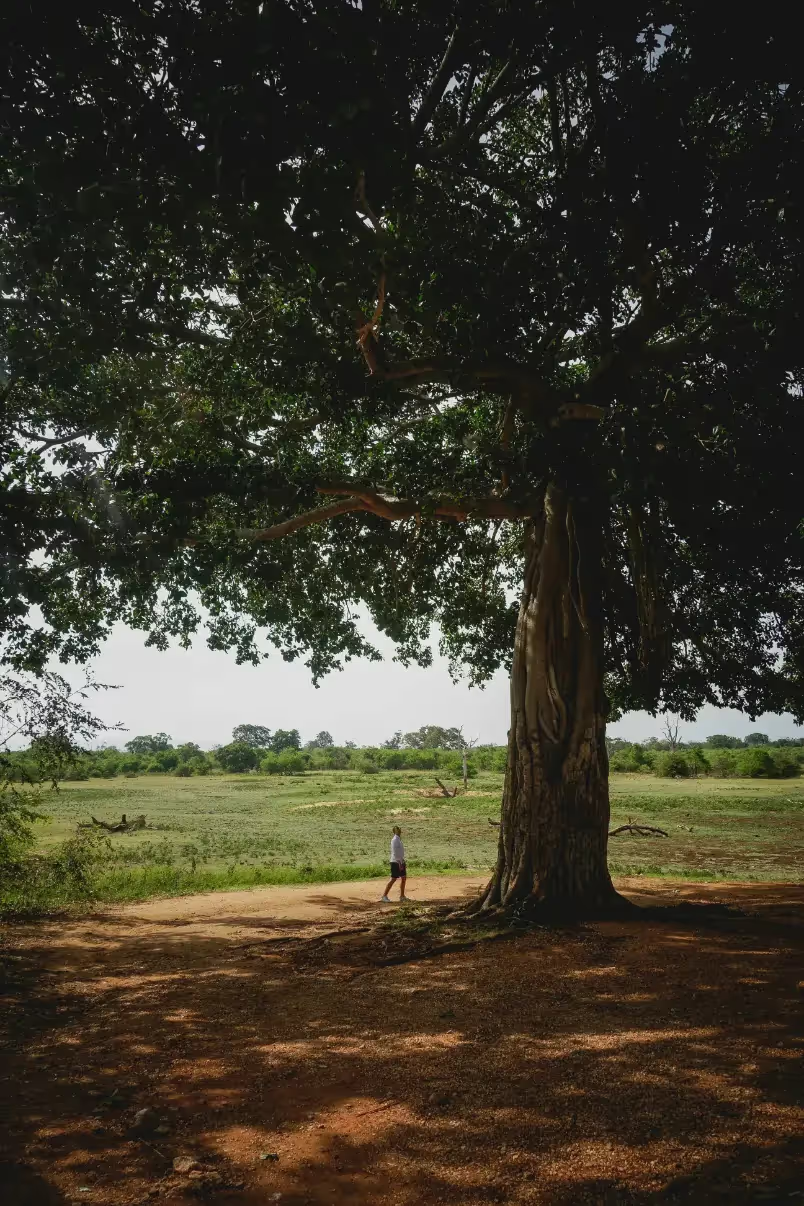
There’s something about Sri Lanka that gets under your skin. Maybe it’s the mix of wild jungles, salty ocean breeze, and the way strangers wave at you from the roadside. For me, it was the wildlife. I’d read about leopards in Yala, elephants in Udawalawe, and whales off the coast of Mirissa, but seeing them in person? That’s an entirely different kind of magic.
If you’re planning a trip from India in 2025, here’s the lowdown on how to have an unforgettable wildlife adventure without breaking the bank.
For a detailed overview of Sri Lanka's national parks, best seasons, and how to book a safari, read our comprehensive wildlife safaris in Sri Lanka guide.
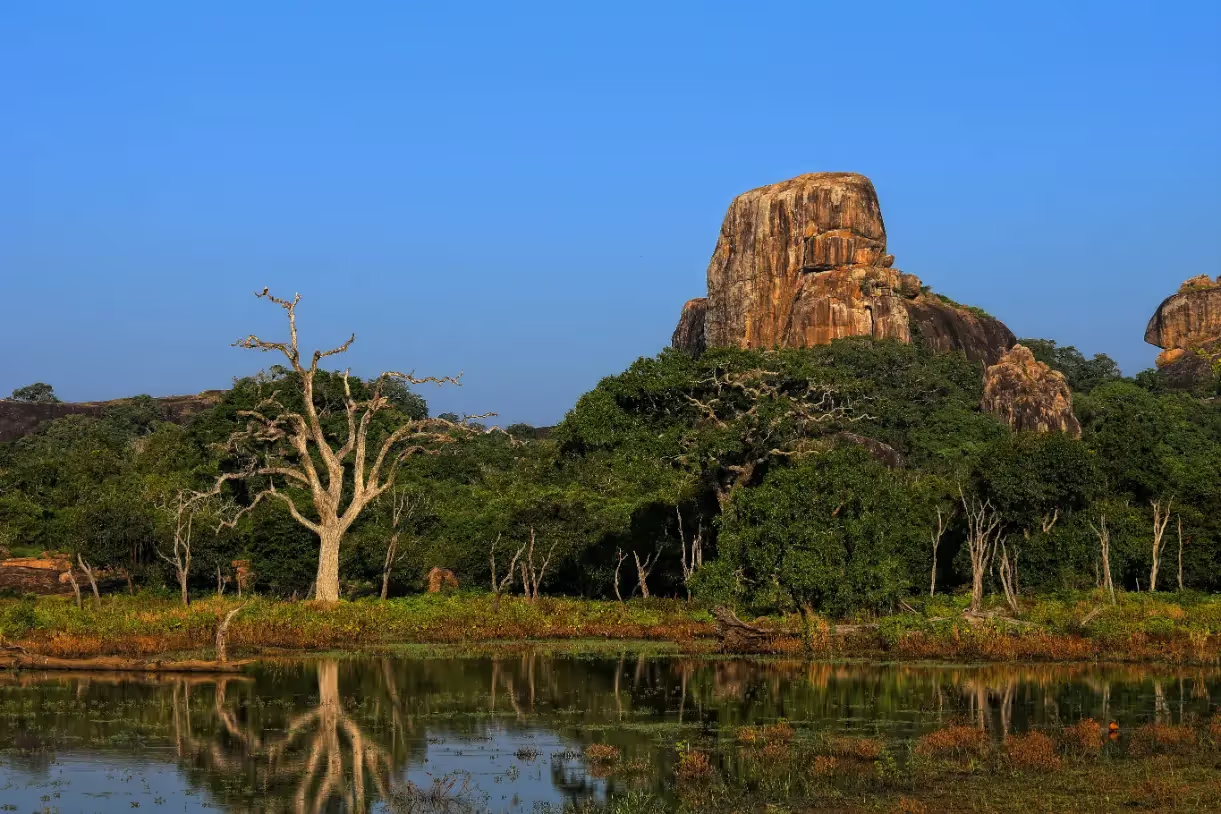
If safaris are on your bucket list, start here. Yala National Park is famous for having the highest leopard density in the world, but it’s also home to elephants, crocodiles, sloth bears, and birds that look straight out of a watercolor painting.
From India, it’s surprisingly doable: fly into Colombo, hop on a 6-hour road trip, and you’re in leopard country. Safaris with a local driver and jeep cost around ₹5,500–₹6,500 per person (park fee included).
And the food? Don’t expect luxury lodge buffets unless you’re splurging. In nearby Tissamaharama, I found a tiny family café serving steaming rice and curry with coconut sambol for ₹350. Perfect after a dusty day in the park.
Several of Sri Lanka's finest boutique properties are positioned near national parks for easy early-morning safari access — our Sri Lanka boutique hotels guide covers the best options.
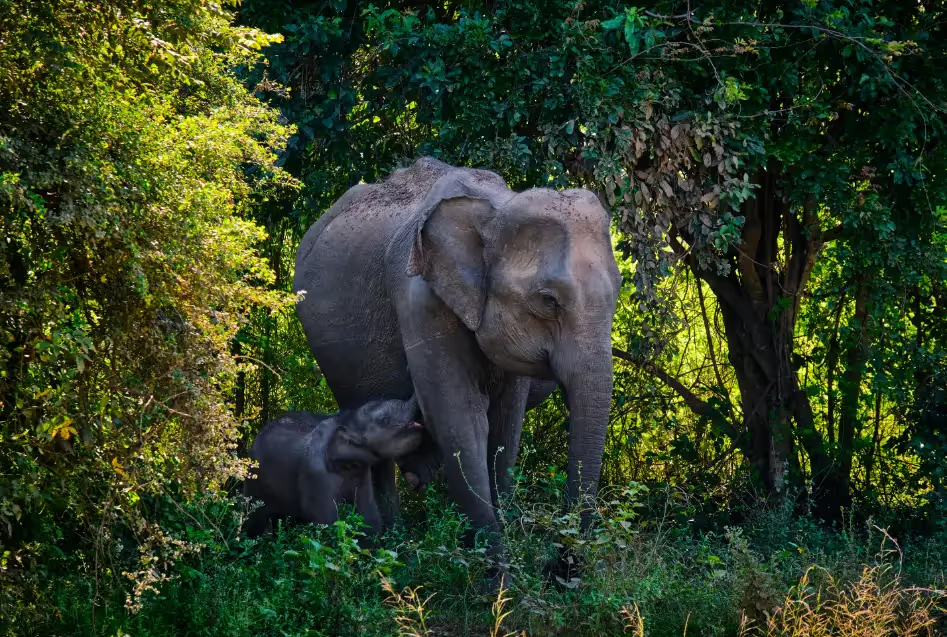
If Yala is the land of leopards, Udawalawe is all about elephants. The park is smaller and less crowded, making it ideal for families or anyone who prefers a slower pace. Within ten minutes of entering, I counted 17 elephants, calves, mothers, and lone bulls, all moving with the kind of grace you don’t expect from animals that size.
Half-day safaris here are more affordable, usually around ₹3,500–₹4,000. The drives are shorter, so kids won’t get restless, and there’s a calmness to the place that stays with you.
If you are weighing Sri Lanka wildlife against India's big cat safaris, our guide to wild India — tigers, leopards, and elephants — covers the best national parks and reserves.
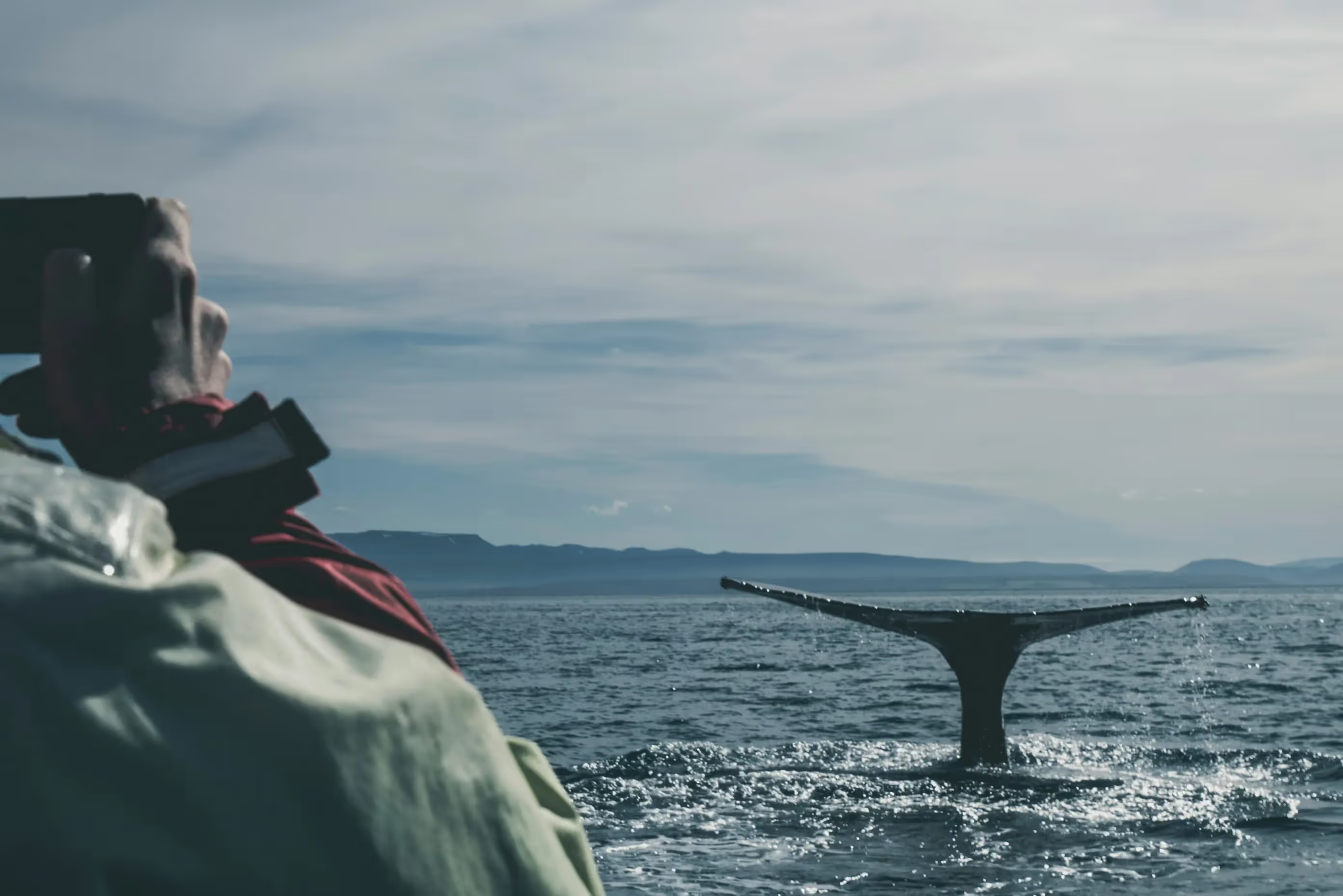
Nothing prepared me for the first time a blue whale surfaced beside our boat. We were just off Mirissa, the sun barely up, when the ocean broke open and this massive, dark-blue shape rolled up and disappeared again.
Whale watching trips cost about ₹4,500–₹5,500 per person, and most include breakfast onboard — fresh fruit, bread, and strong Sri Lankan tea. November to April is the best time, when the seas are calm and the whales are passing through.
Whale watching at Mirissa is one of Sri Lanka's most spectacular experiences — you can book directly through the LocalHi whale watching experience page.
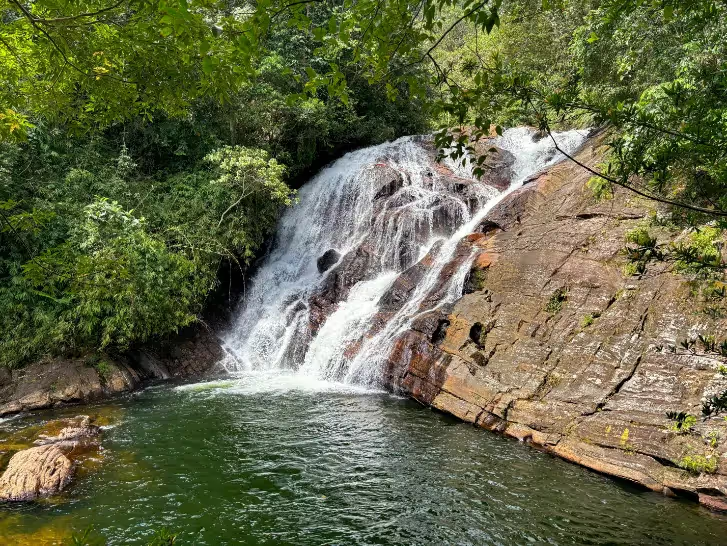
After the open grasslands and ocean, trekking through Sinharaja Rainforest feels like stepping into another world. This UNESCO-listed jungle is alive with bird calls, mist, and the smell of wet earth. I spotted the Sri Lankan blue magpie, a rare bird that even non-birdwatchers can appreciate.
Guided treks are about ₹2,500–₹3,000, and if you’re into eco-friendly wildlife tours in Sri Lanka, many operators here work directly with conservation projects.
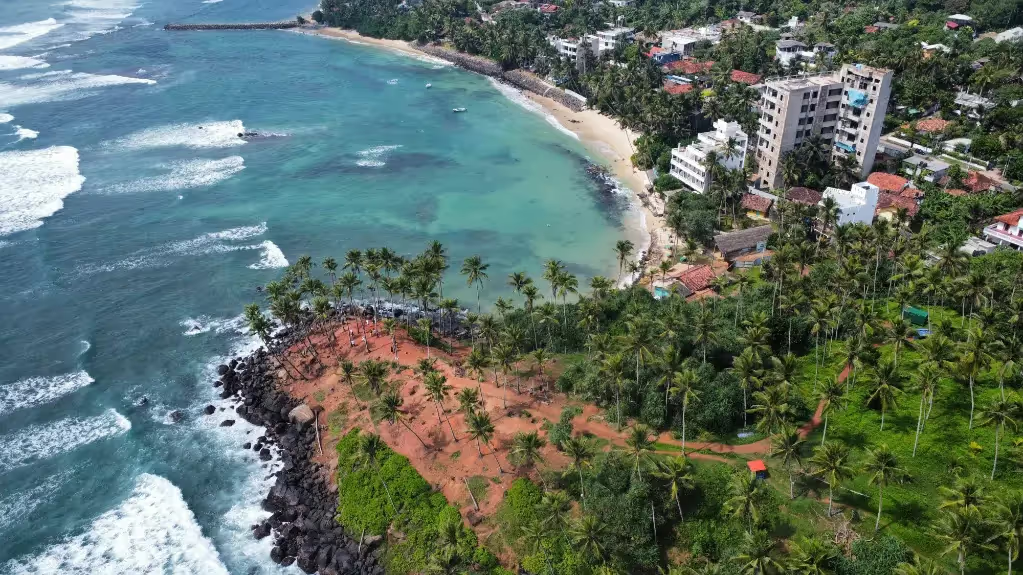
Total budget: Around ₹42,000–₹48,000 per person, including flights, mid-range stays, and all activities.
It’s close, affordable, and you get the thrill of a full-blown safari without flying to Africa. Add in the vegetarian-friendly meals, the chance to photograph some of the rarest animals in the region, and the ease of getting around, and it’s no wonder Sri Lanka is becoming a wildlife hotspot for Indian tourists in 2025.
If this is the kind of trip that’s been sitting on your “someday” list, it might be worth shaping it into something real. With the right pacing, stays near the parks, and safaris that aren’t rushed, the experience feels very different.
1. What is the best place to spot leopards in Sri Lanka?
Yala National Park is known for having one of the highest leopard densities in the world, making sightings more likely.
2. Is Udawalawe better than Yala for families?
Yes, Udawalawe National Park is less crowded, with shorter safari durations and frequent elephant sightings—ideal for a relaxed experience.
3. When is the best time for whale watching in Sri Lanka?
November to April is ideal in Mirissa, when seas are calmer and sightings are more frequent.
4. Do I need a guide for Sinharaja Rainforest?
Yes, guided treks in Sinharaja Forest Reserve are recommended for navigation and spotting rare wildlife.
5. How many days are enough for a Sri Lanka wildlife trip?
A 5-day itinerary covering Yala, Udawalawe, and Mirissa is a well-balanced plan for first-time visitors.
6. Is Sri Lanka suitable for vegetarian travelers on a wildlife trip?
Yes, even near parks like Yala National Park, you’ll find rice, curry, fruits, and South Indian staples.
CURATED TOP DESTINATIONS


Subscribe for more updates!
Get exclusive travel inspiration, private itinerary ideas, and
curated destination guides from LocalHi's travel designers.