Thank you! Your submission has been received!
Oops! Something went wrong while submitting the form.

EXPLORE

Bhutan

BEST TIME TO VISIT

Mar - May & Sept - Nov

CURRENCY

Bhutanese Ngultrum (BTN)

AVG COST PER DAY

$100

SCROLL

Where the Himalayas Hold Still

FALL IN LOVE WITH

Paro Valley

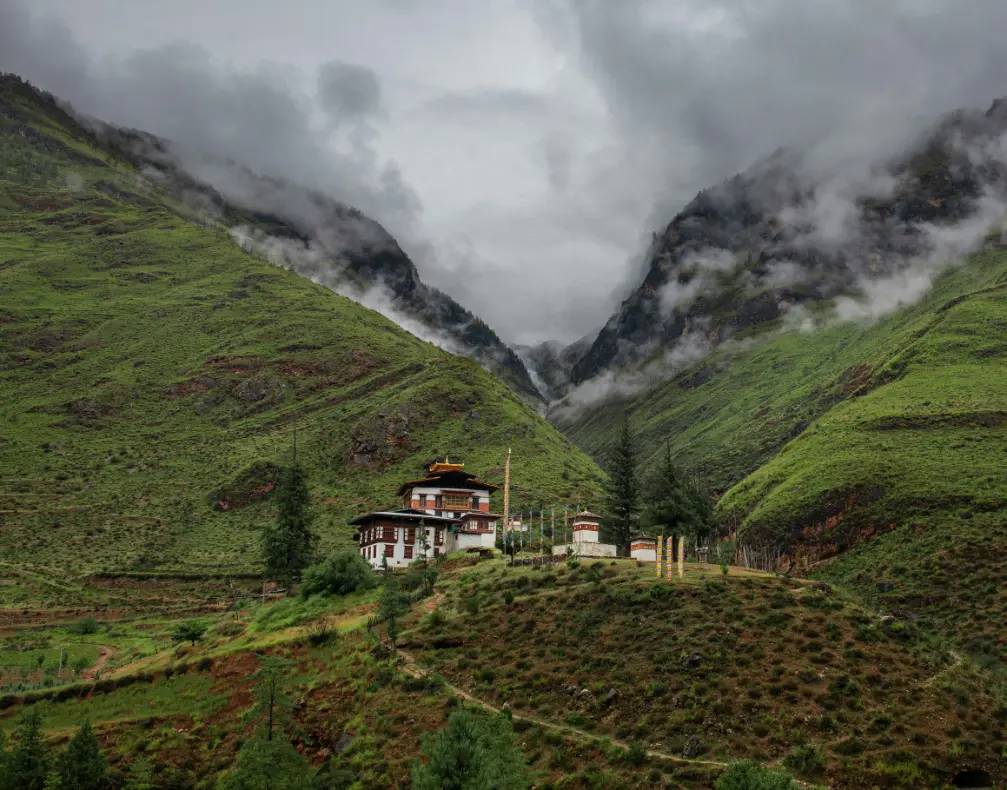
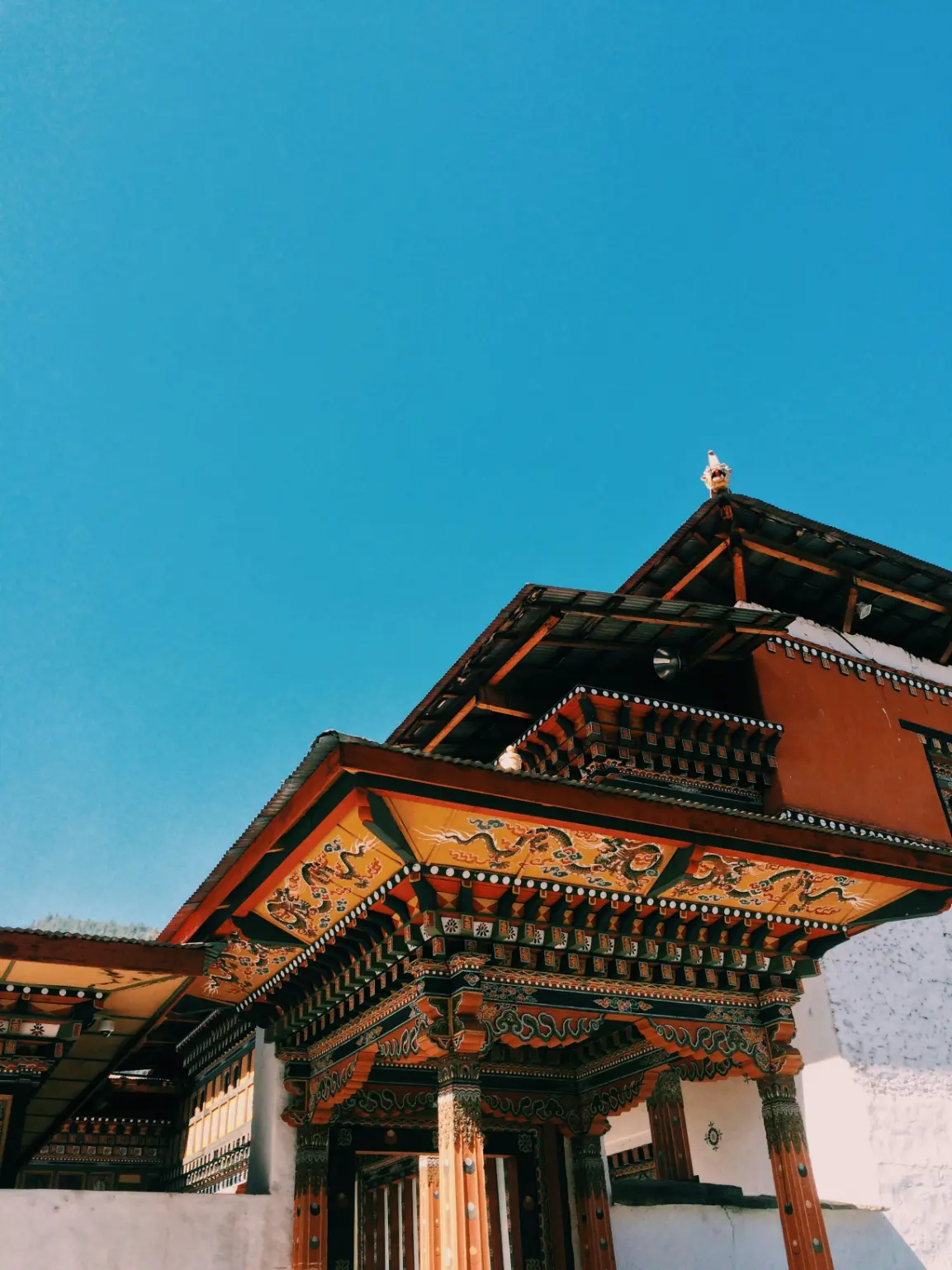
Bhutan's only international airport sits in the Paro Valley, but the valley deserves more than a transfer night. The Rinpung Dzong fortress monastery stands above the river, Kyichu Lhakhang is one of Bhutan's oldest temples dating to the 7th century, and the valley sits below Jomolhari — Bhutan's sacred mountain at 7,326 metres. Most visitors treat Paro as a start and end point; those who give it two nights always wish they had given it more.
FALL IN LOVE WITH

Thimphu

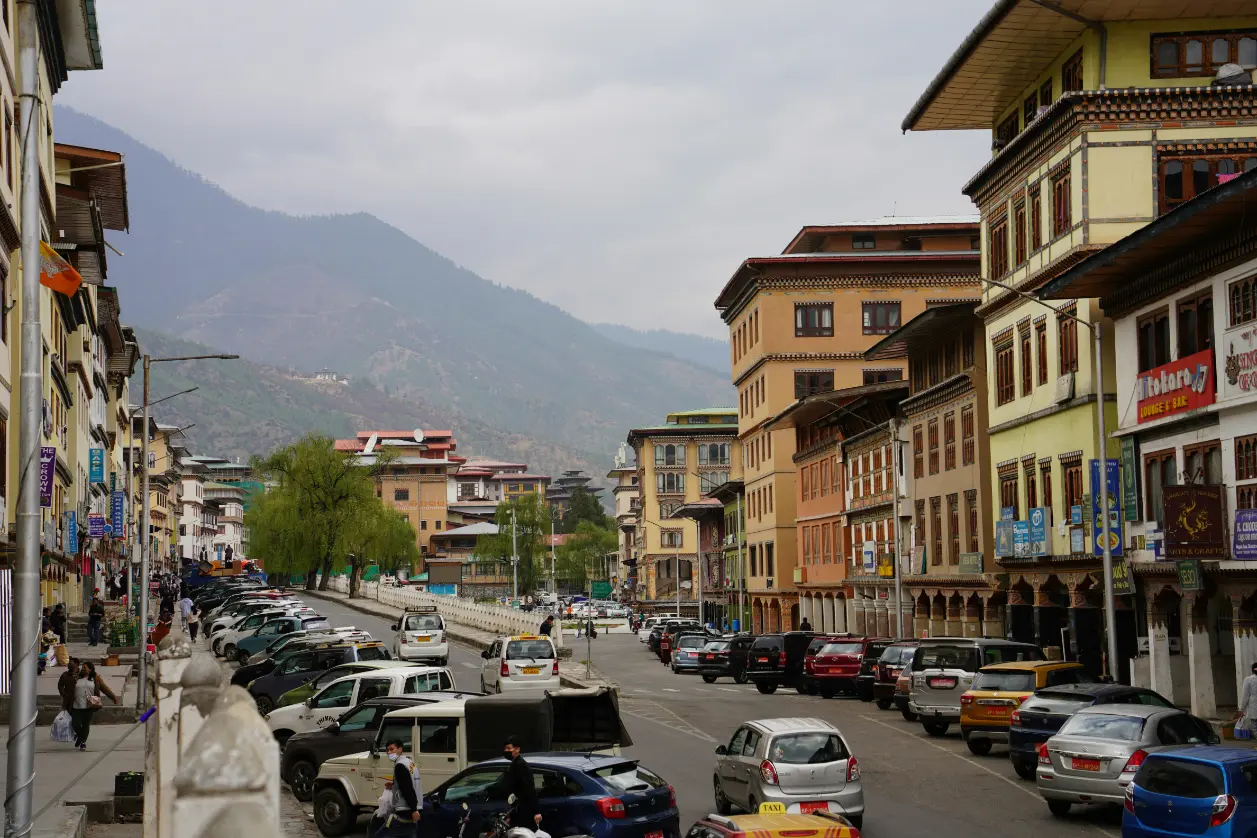
Bhutan's capital is the only capital city in the world with no traffic lights, and it still manages to feel like a town rather than a city. The 51.5-metre gilded Buddha Dordenma sits above the Kuenselphodrang hillside overlooking the valley. The Tashichho Dzong, the weekend market, the Folk Heritage Museum and the National Textile Academy are all within walking distance of one another — Thimphu is best explored slowly, on foot, over a full day.

FALL IN LOVE WITH

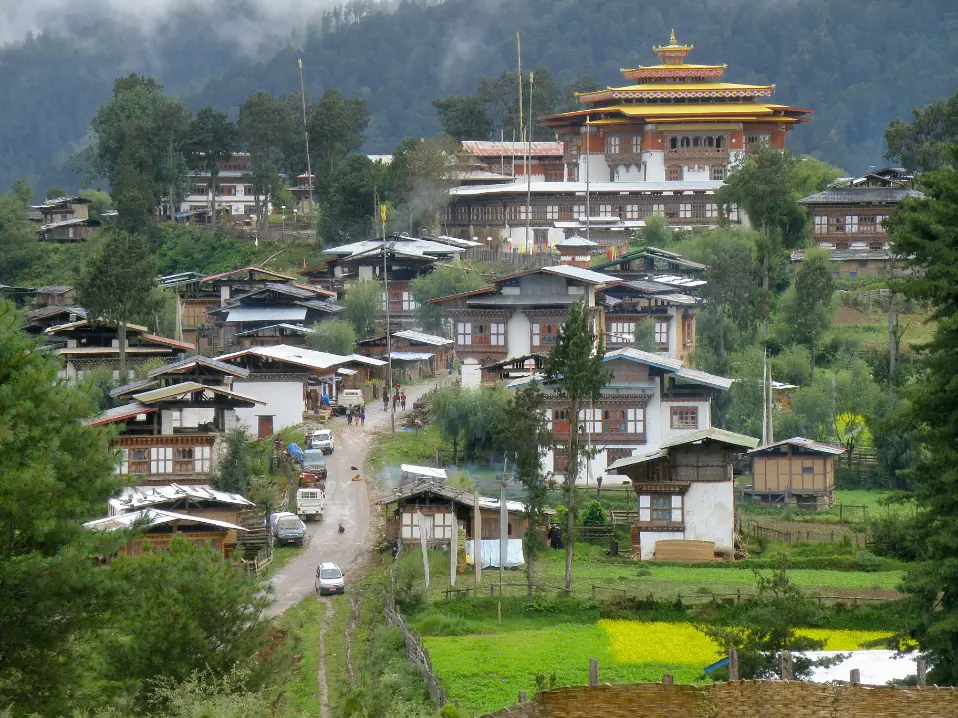
Phobjikha Valley

A glacial valley in central Bhutan, Phobjikha sits at over 3,000 metres above sea level and turns glacially quiet in the evenings. Between late October and February, hundreds of endangered black-necked cranes migrate here from Tibet to winter on the valley floor. The Black-Necked Crane Visitor Centre and the 17th-century Gangtey Monastery both sit above the wetlands, and the valley floor walk is among Bhutan's most peaceful half-days.

FALL IN LOVE WITH

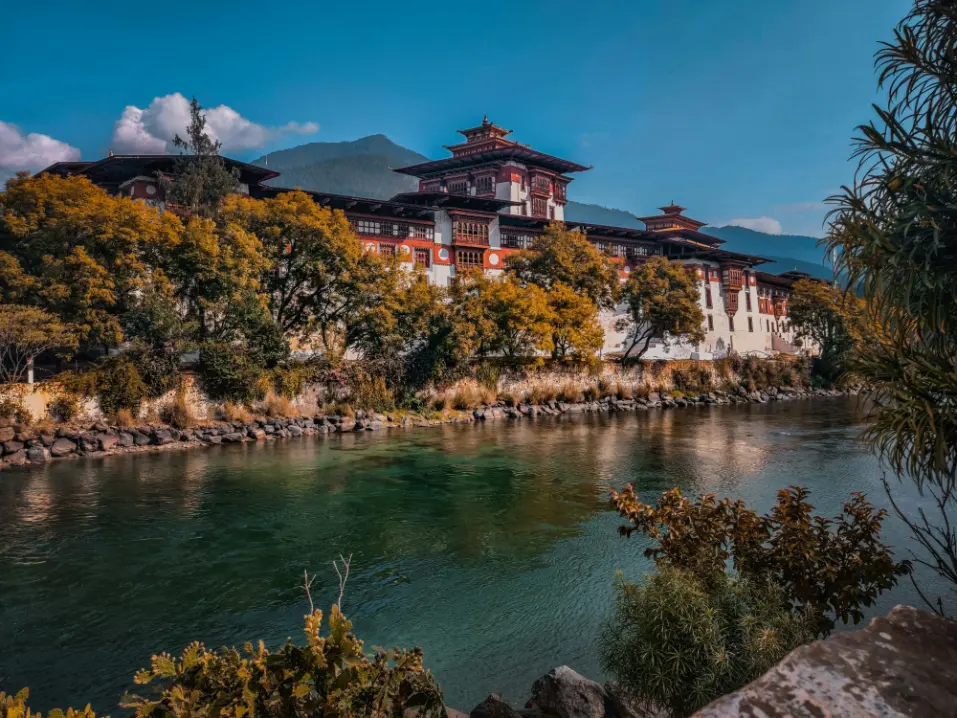
Punakha Dzong

Built in 1637 at the confluence of the Mo Chhu and Pho Chhu rivers, Punakha Dzong is Bhutan's most beautiful fortress monastery and the winter home of its religious establishment. The walk across the wooden cantilever bridge, with the white dzong rising above the confluence, is one of Bhutan's great photographs — and an even greater thing to stand in front of in person.

FALL IN LOVE WITH

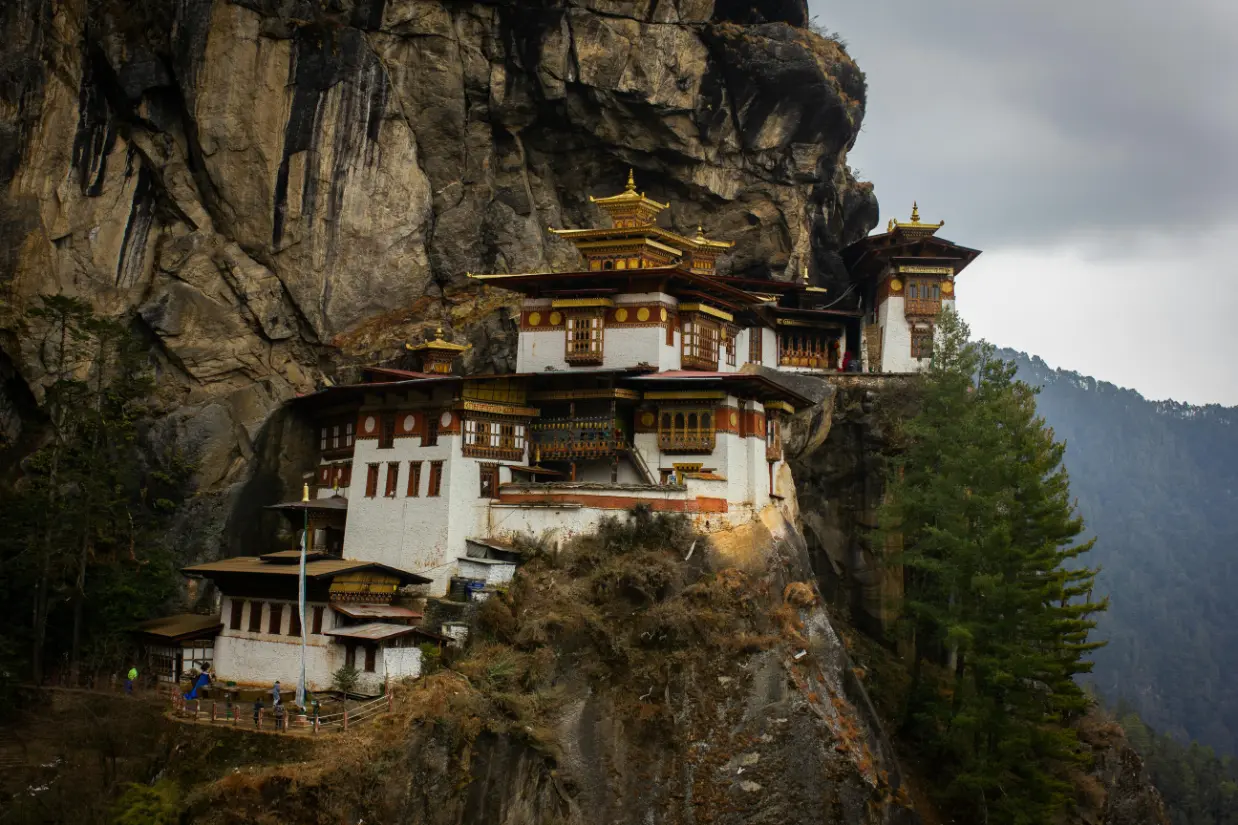
Tiger's Nest Monastery (Taktsang Lhakhang)

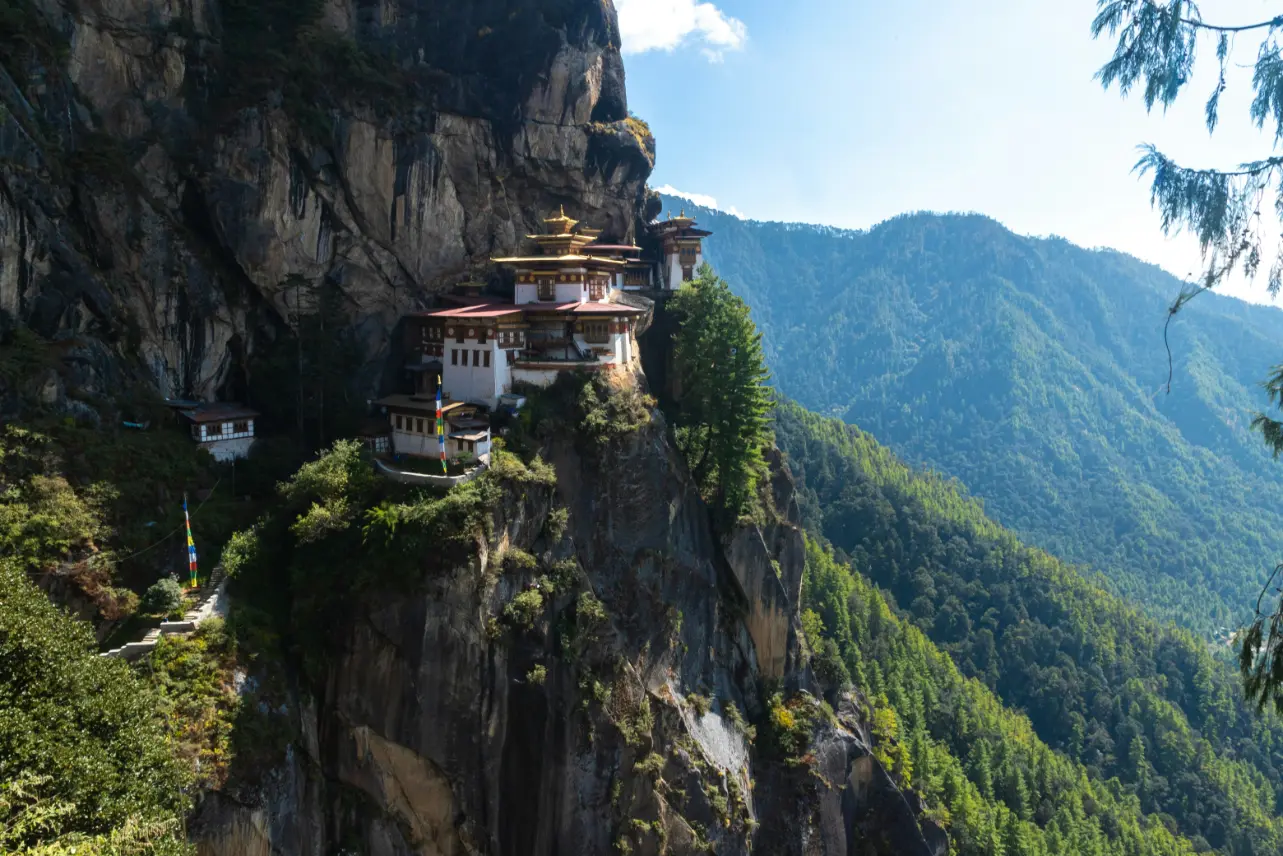
Europe's largest waterfall by volume — actually, wait. This is Bhutan's most iconic sight: a 17th-century monastery built directly into a cliff face 900 metres above the Paro Valley. The approach is a 2 to 4 hour hike through pine forest past prayer flags and waterfalls, and the view from the ridge across the valley is one of the finest in the Himalayas. Go before 9am — the tour buses arrive by mid-morning.

Paro Valley
Thimphu
Phobjikha Valley
Punakha Dzong
Tiger's Nest Monastery (Taktsang Lhakhang)

FALL IN LOVE WITH

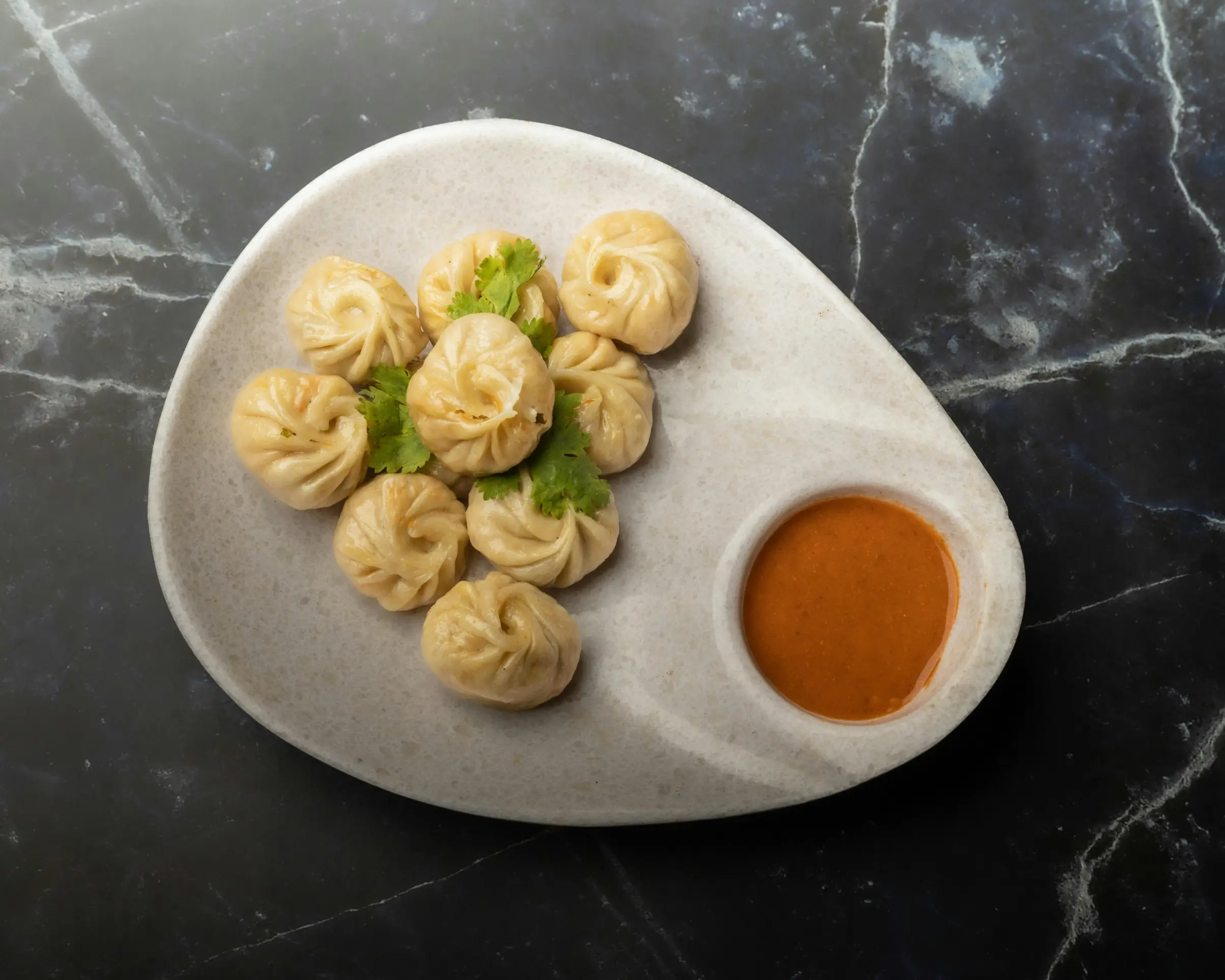
Momos

Steamed or fried dumplings filled with pork, beef, or vegetables — the most social food in Bhutan and a staple at every dzong market and town restaurant. The Bhutanese version is spicier than its Tibetan counterpart and is typically served with a thin chilli dipping sauce that deserves respect.

FALL IN LOVE WITH

Butter Tea (Po Cha)

Salty, buttery tea churned with yak butter — the drink of the highlands and a gesture of hospitality across Bhutan. It tastes more like a thin broth than tea on first encounter and is genuinely warming at altitude. Refusing it politely is fine; accepting it and drinking slowly is better.

FALL IN LOVE WITH

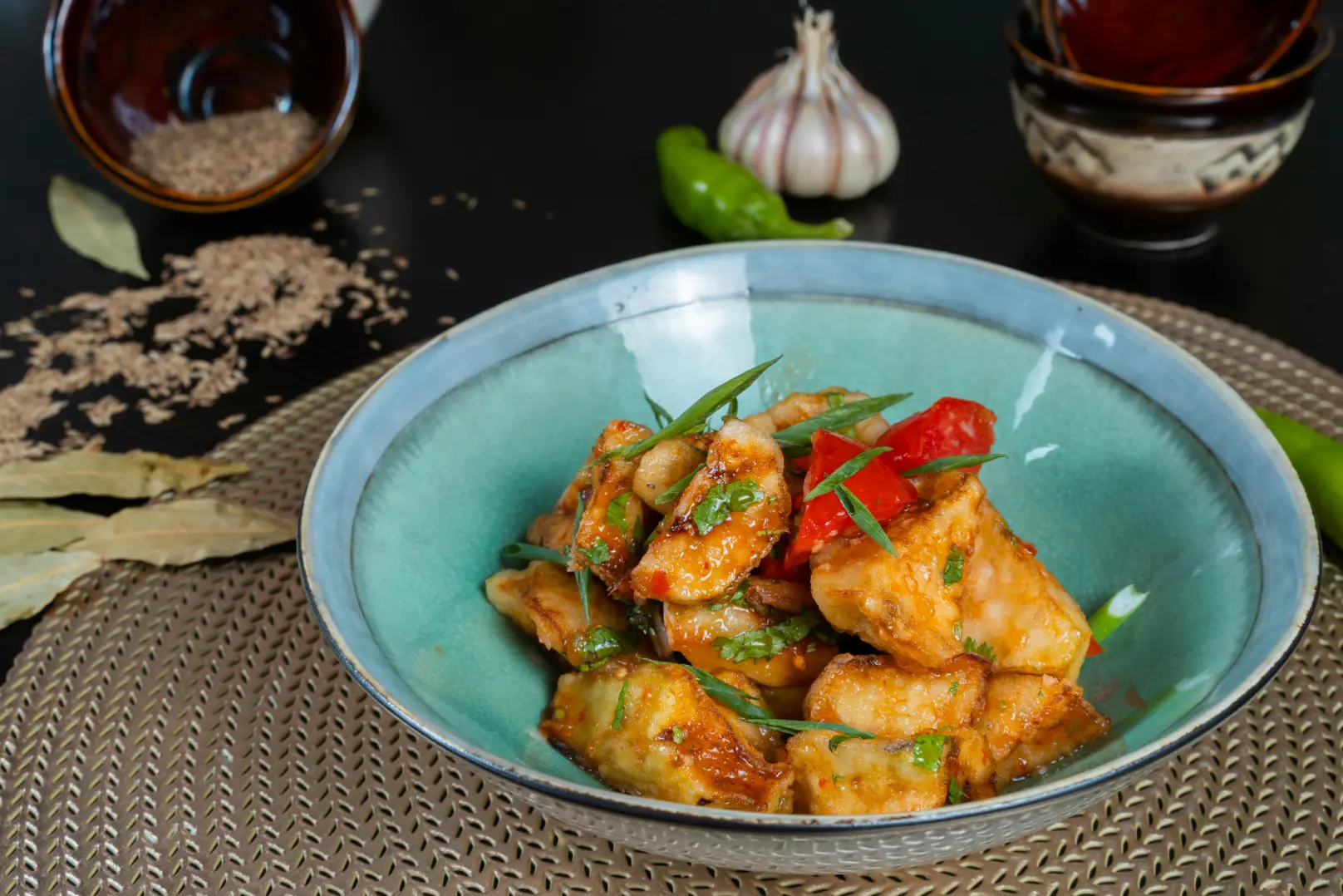
Jasha Maroo

A spiced minced chicken stew cooked with tomatoes, onions, ginger and green chillies. It is lighter than most Bhutanese meat dishes and a reliable order when you want something warming without the full heat of an ema datshi. Found everywhere from hotel restaurants to local lunch counters.

FALL IN LOVE WITH

Red Rice (Zow Shungo)

Bhutan's red rice is grown in the Paro Valley and is the country's staple. Slightly nutty in flavour and naturally tinged pink-red from its bran layer, it is served at almost every meal alongside datshi, meat dishes and vegetables. It is also sold as a premium export — but there is a difference between eating it here and eating it anywhere else.

FALL IN LOVE WITH

Phaksha Paa

Pork strips cooked with dried red chillies and radish — one of the most satisfying dishes in Bhutan and a fixture at festivals and celebrations. The pork is usually fatty and slow-cooked, and the combination with turnip and chilli makes it a natural match for red rice.

FALL IN LOVE WITH

Ema Datshi

The national dish of Bhutan — a stew of large dried or fresh chilli peppers cooked with local soft cheese called datshi. It is hotter than it looks, ubiquitous at every table and genuinely addictive after the first bowl. The version made with dried ema in winter is different from the fresher green chilli version in spring.

Momos
Butter Tea (Po Cha)
Jasha Maroo
Red Rice (Zow Shungo)
Phaksha Paa
Ema Datshi

Customise Your Journey

From a single valley to a multi-lodge circuit through Paro, Thimphu, Punakha and Phobjikha — your Bhutan journey is built around what moves you. Tell us the experience you want and we design from there.

1
2
3
NEXT
Thank you! Your submission has been received!
Oops! Something went wrong while submitting the form.

Exceptional Travel Experiences

Curated with local expertise and exceptional value. Immersive journeys across the globe from hidden local gems to iconic experiences designed without compromise.

EXPLORE MORE
No items found.

Did You Know?

Discover the facts, traditions and quiet surprises that make Bhutan unlike anywhere else on earth.

The Only Carbon-Negative Country on Earth

Bhutan absorbs more carbon than it produces — its constitution legally mandates that at least 60 percent of the country remain under forest cover, a figure currently closer to 71 percent.

Gross National Happiness is Government Policy

Bhutan does not measure progress by GDP. Since the 1970s, the country has used Gross National Happiness as its official development philosophy, weighing cultural preservation, environmental sustainability and psychological wellbeing alongside economic indicators.

Television Arrived in 1999

Bhutan was one of the last countries in the world to introduce television and the internet, both arriving in 1999. The king lifted the ban as part of the country's gradual, deliberate approach to modernisation.

Tiger's Nest Was Built in the 8th Century

Taktsang Monastery — the Tiger's Nest — clings to a cliff face at 3,120 metres above the Paro Valley. It was first built in 1692 on the site where the Buddhist master Guru Rinpoche is said to have meditated in the 8th century.

Archery is the National Sport

Bhutan's national sport is archery, and competitions are deeply social events accompanied by singing, dancing and good-natured heckling. Traditional bamboo bows have largely given way to modern compound bows, but the spirit of the game has not changed.

Bhutan Has No Traffic Lights

Thimphu is the only capital city in the world with no traffic lights. White-gloved traffic police direct vehicles at the main junction — a practice retained even after a set of lights was briefly installed and removed, with the original system preferred.

The Only Carbon-Negative Country on Earth

Bhutan absorbs more carbon than it produces — its constitution legally mandates that at least 60 percent of the country remain under forest cover, a figure currently closer to 71 percent.

Gross National Happiness is Government Policy

Bhutan does not measure progress by GDP. Since the 1970s, the country has used Gross National Happiness as its official development philosophy, weighing cultural preservation, environmental sustainability and psychological wellbeing alongside economic indicators.

Television Arrived in 1999

Bhutan was one of the last countries in the world to introduce television and the internet, both arriving in 1999. The king lifted the ban as part of the country's gradual, deliberate approach to modernisation.

Tiger's Nest Was Built in the 8th Century

Taktsang Monastery — the Tiger's Nest — clings to a cliff face at 3,120 metres above the Paro Valley. It was first built in 1692 on the site where the Buddhist master Guru Rinpoche is said to have meditated in the 8th century.

Archery is the National Sport

Bhutan's national sport is archery, and competitions are deeply social events accompanied by singing, dancing and good-natured heckling. Traditional bamboo bows have largely given way to modern compound bows, but the spirit of the game has not changed.

Bhutan Has No Traffic Lights

Thimphu is the only capital city in the world with no traffic lights. White-gloved traffic police direct vehicles at the main junction — a practice retained even after a set of lights was briefly installed and removed, with the original system preferred.

A Tapestry of Timeless Journeys

Stories, insights & local gems from travelers and locals alike.

No items found.