
Subscribe for more updates!
Get exclusive travel inspiration, private itinerary ideas, and
curated destination guides from LocalHi's travel designers.

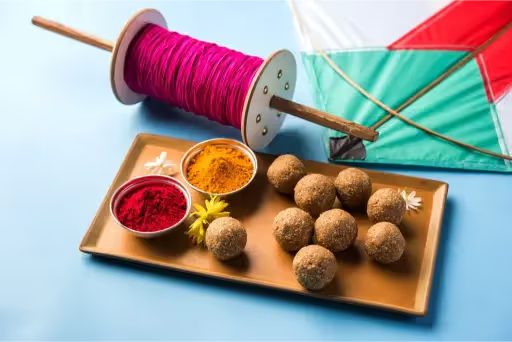
As January dawns, India transforms into a vibrant tapestry of celebrations, ablaze with the spirit of harvest, gratitude, and the timeless dance of the seasons. Draped in its festive splendor, the nation rejoices with unparalleled fervor, honoring the cyclical rhythm of nature’s bounty. This period marks the arrival of Lohri, Pongal, and Makar Sankranti festivals that signify gratitude, joy, and the eternal bond between nature and humanity. Each of these festivals, celebrated under different names across India, reflects the diversity and unity of its cultural tapestry. Let’s embark on a journey to explore their unique flavors and the rich heritage they carry.
If you are new to Holi and want to start with the mythology and origins of the festival, our companion guide on why Holi is celebrated covers the full historical and religious background.
• Holi 2026 falls on March 3 — a full moon day marking the arrival of spring across India
• Mathura and Vrindavan (the birthplace of Krishna) offer the most authentic and visually spectacular Holi celebrations
• The festival lasts two days — Holika Dahan bonfire on the eve, followed by the colour-throwing Rangwali Holi
• Wear white clothes you don't mind losing and apply coconut oil to skin and hair before playing Holi
• Jaipur's elephant festival (Elephants' Holi) on Holi eve is a controversial but visually striking event with growing ethical debate
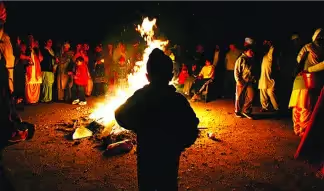
As the chilly winter nights give way to the promise of longer days, the northern regions of India, particularly Punjab and Haryana, come alive with the vibrant festival of Lohri. Celebrated on January 13, this joyous occasion heralds the end of winter and marks the Sun’s northward journey, known as Uttarayan.
At its core, Lohri is a harvest festival, deeply rooted in agrarian traditions. It is a time to express gratitude to nature for a bountiful yield, especially crops like sugarcane and wheat. The bonfire, which forms the centerpiece of the celebration, symbolizes warmth, abundance, and the triumph of light over darkness. Families and friends gather around the roaring flames, offering sesame seeds, jaggery, peanuts, and sugarcane to thank the gods for their blessings.
For newlyweds and families with newborns, Lohri holds special importance. These individuals receive blessings and partake in grand celebrations, symbolizing new beginnings and prosperity.
Lohri’s connection to farming and harvest cannot be overstated. It marks the sowing of rabi crops, especially wheat, which are the backbone of Punjab’s agrarian economy. The festival is also intertwined with the Hindu festival of spring, bridging seasonal transitions and celebrating the cyclical nature of life.
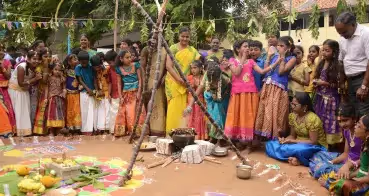
In the culturally rich southern state of Tamil Nadu, Pongal stands as a resplendent celebration of the harvest season and the profound connection between humans and nature. This vibrant festival derives its name from the Tamil word “pongu”, meaning “to overflow,” a fitting metaphor for prosperity, abundance, and gratitude.Spanning four days, Pongal aligns seamlessly with the Sankranti festival meaning, offering thanks to the Sun God, nature, and cattle, whose contributions are vital to a successful harvest. This year, Pongal festivities will begin on January 14, 2025, and continue until January 17 (Friday), according to Drik Panchang. The auspicious time for performing puja is between 8:00 AM and 10:30 AM, adding a spiritual essence to the grand celebrations
Pongal is more than just a festival; it is a way of life that celebrates sustainability and the harmonious relationship between humans and the environment. It underscores the importance of respecting nature and acknowledging its pivotal role in sustaining livelihoods.
The rituals of Pongal highlight the Hindu festival of spring, marking the Sun’s transition into the zodiac sign of Capricorn (Makara Sankranti) and symbolizing longer days and renewed energy.
At the heart of the festival is the traditional dish Pongal, a simple yet deeply symbolic preparation. Cooked in clay pots, the dish is flavored with jaggery, cardamom, and cashews, representing the sweetness of life. Savory versions, such as ven pongal, are also enjoyed, paired with coconut chutney and sambar.
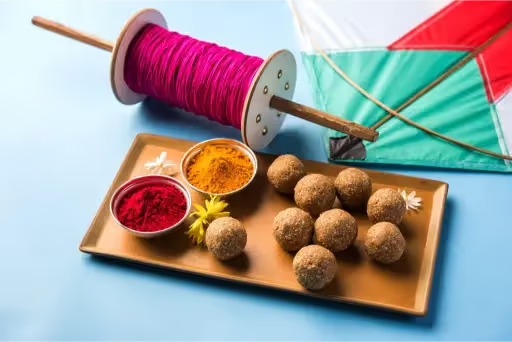
As the Sun begins its northward journey, known as Uttarayana, India comes alive with the vibrant festivities of Makar Sankranti. This festival celebrated across the country with unique regional variations, marks the transition of the Sun into Makara Rashi (Capricorn) and signifies the end of winter and the beginning of longer, warmer days. In 2025, the festival of Makar Sankranti will fall on 14 January, which is on Tuesday.
A deeply spiritual and cultural event, Makar Sankranti is not just a festival but a celestial celebration that ties humanity to the rhythm of the cosmos.
Makar Sankranti is one of the few Indian festivals celebrated on a fixed date, January 14, and its traditions vary across states, reflecting the diversity of Indian culture.
In Gujarat, Makar Sankranti transforms into a joyful spectacle with the International Kite Festival. The skies become a canvas of colors as people fly kites, symbolizing freedom, hope, and aspirations. Known as Uttarayan in this region, the festival is accompanied by feasting on special snacks like undhiyu (a mixed vegetable dish) and chikki (peanut and jaggery brittle).
In Maharashtra, the festival carries a social message of unity and harmony. Families exchange tilgul (sweets made of sesame seeds and jaggery) with the words “Tilgul ghya, ani goad goad bola” (Take these sweets and speak sweetly), symbolizing sweetness in relationships. Married women are invited to gatherings called Haldi-Kumkum, fostering bonds of friendship and goodwill.
Known as Patanjali Sankranti in parts of Karnataka and Andhra Pradesh, the festival is marked by cultural performances, decorating cattle, and preparing festive dishes like sakkare acchu (sugar figurines), and ellu-bella (a mix of sesame, jaggery, and coconut). Traditional rangoli designs adorn the courtyards, adding a splash of color to the festivities.
In Bengal, Makar Sankranti takes on a deeply spiritual tone. Devotees gather at the Ganga Sagar Mela, held where the Ganges meets the Bay of Bengal, to take holy dips and offer prayers. This ritual is believed to cleanse sins and bring spiritual blessings. Special sweets made from date palm jaggery, like patishapta and pithe, are culinary highlights.
Makar Sankranti holds great astronomical importance as it marks the Sun’s shift into Capricorn and the start of Uttarayana, the six months considered auspicious in Hindu tradition. This transition also signifies the arrival of spring and the end of the Sawan month, an important period in the Hindu calendar.
The festival is not just a celebration of the harvest but also a harbinger of light, warmth, and new beginnings. It symbolizes the movement from darkness to light, both literally and metaphorically.
Though Sawan month (Shravan) is not directly linked to the winter harvest festivals, its spiritual undertones deeply resonate with the themes celebrated during Lohri, Pongal, and Makar Sankranti. As one of the holiest months in the Hindu calendar, Sawan emphasizes gratitude towards nature, celestial alignments, and the cyclical rhythm of life all of which are echoed in these festivals.
The month of Sawan is dedicated to Lord Shiva, with devotees observing fasts and performing rituals to seek blessings for prosperity and harmony. Similarly, festivals like Makar Sankranti and Pongal celebrate nature’s bounty and the Sun’s life-sustaining power, tying together spiritual devotion with agrarian traditions.

For global citizens in countries like the UK, the US, and beyond, these Indian festivals provide a window into a culture that cherishes life, community, and nature. While each festival is unique in its traditions, their shared themes of gratitude, sustainability, and joy transcend geographical boundaries.
These festivals symbolize unity in diversity, offering inspiration for global communities to embrace gratitude, sustainability, and shared joy.
Before attending any festival in India, our guide to cultural etiquette for foreigners in India is worth reading — it covers customs, dress codes, and how to show respect in different settings.
Whether you’re miles away from India or deeply connected to its heritage, incorporating these festivals into your life can be an enriching experience. Here are some ways to join the celebration:
For an even more profound spiritual experience in India, our Kumbh Mela guide for international travellers covers the world's largest human gathering.
India’s winter festivals rooted in nature, gratitude, and renewal carry timeless messages for the world. By embracing their spirit, you can bring joy, mindfulness, and a sense of connection into your life.
Our guide to experiencing Indian festivals as a foreigner has practical advice on how to join Holi and other major celebrations safely and respectfully.
So, wherever you are, light up your bonfire, cook a pot of Pongal, or let a kite soar high in the sky. Feel the warmth of unity, the sweetness of gratitude, and the boundless joy of celebrating life.
These festivals are more than cultural events they are a universal call to honor nature, cherish community, and find renewal in the journey of life.
Experience Holi in India the right way — with expert local guidance, the best locations, and seamless travel planning. LocalHi creates Holi experiences for travellers who want depth, not just colour.
Explore the India destination page on LocalHi to plan your festival trip, including curated cultural itineraries and boutique stays.
Celebrate Holi like never before. Let LocalHi plan your authentic Indian festival trip.
Q: When is Holi in 2026?
A: Holi 2026 falls on March 3 (Rangwali Holi). Holika Dahan takes place the evening before, on March 2.
Q: What is the significance of Holi?
A: Holi celebrates the victory of good over evil (based on the Holika-Prahlad myth), the arrival of spring, and the playful love story of Radha and Krishna.
Q: Where is the best place to celebrate Holi in India?
A: Mathura and Vrindavan for authentic Krishna-centered celebrations; Jaipur for palace settings; Barsana for the unique Lathmar Holi where women playfully beat men with sticks.
Q: Is Holi safe for foreign tourists?
A: Generally yes, with precautions. Celebrate in organised events or with locals you trust. Avoid isolated areas during peak celebration hours and keep valuables secured.
Q: Can LocalHi arrange a Holi experience in India?
A: Yes — LocalHi organises curated Holi experiences in Mathura, Vrindavan, and Jaipur for international travellers, with guided access and the right context to make it meaningful.
CURATED TOP DESTINATIONS


Subscribe for more updates!
Get exclusive travel inspiration, private itinerary ideas, and
curated destination guides from LocalHi's travel designers.