
Subscribe for more updates!
Get exclusive travel inspiration, private itinerary ideas, and
curated destination guides from LocalHi's travel designers.

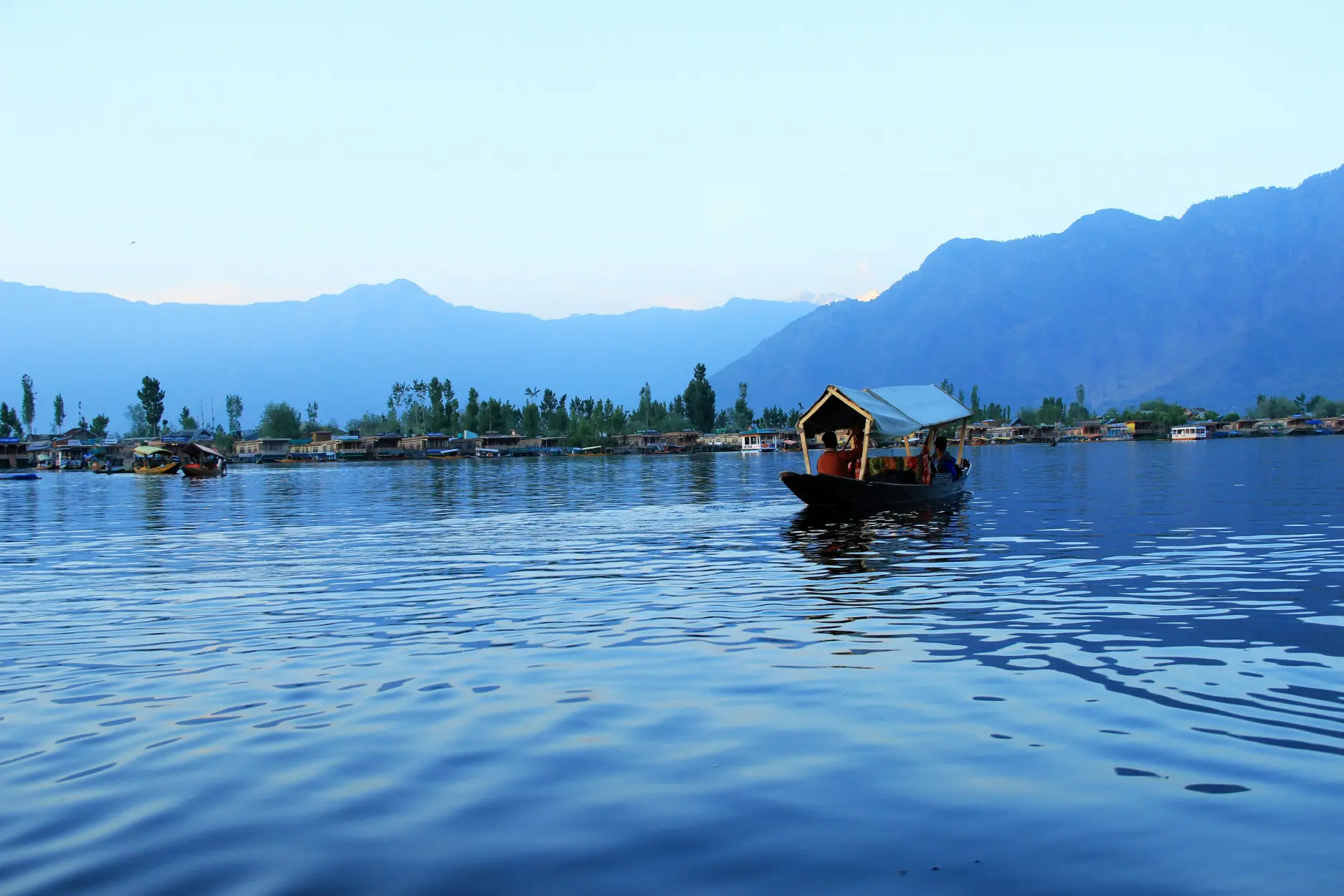
The best time to visit Kashmir depends entirely on what you want: spring (March–April) for tulips and snow, summer (May–June) for families, autumn (October–November) for Chinar colours and quiet, winter (December–February) for skiing. Here is the honest breakdown.
Kashmir does not have one best time to visit. It has four genuinely different seasons and each one attracts a completely different kind of traveller. The valley in April, when a million tulips are open and Gulmarg still has snow on the slopes, looks nothing like the valley in December, when Dal Lake is icing over and the houseboats glow with Bukhari fires. Both are worth seeing. The question is which one is right for your group.
This guide breaks down every season honestly, with specific dates, real cost implications, and clear recommendations for families travelling with children and couples on honeymoons or anniversary trips. It also covers what has changed in 2026 that affects when you should go.
If you are already narrowing down your travel dates, it helps to see how a real trip comes together. Our 7-day Kashmir itinerary walks through a complete route across Srinagar, Gulmarg, and Pahalgam with realistic pacing.
For first-time visitors, spring from late March to April is the strongest all-round option. Prices are mid-range, the Tulip Festival is open, Gulmarg still has snow, and the weather is comfortable across all three destinations.
For families with school-going children, summer from May to June works best. Schools are out, the meadows are fully green, and the roads are in their best condition. It is the most expensive season but also the most straightforward to plan.
For couples looking for something quieter and more romantic, autumn from October to November is the pick. The Chinar trees turn gold, the crowds thin out, and prices drop back to mid-range. It is arguably the most photogenic time of year in the valley.
For snow seekers and skiers, winter from December to February is the only answer. Gulmarg's ski season peaks in January and February. Sonamarg is now accessible year-round thanks to the Z-Morh Tunnel, inaugurated in January 2025. If you have never seen Dal Lake in winter fog with the houseboats lit up inside, add it to the list.
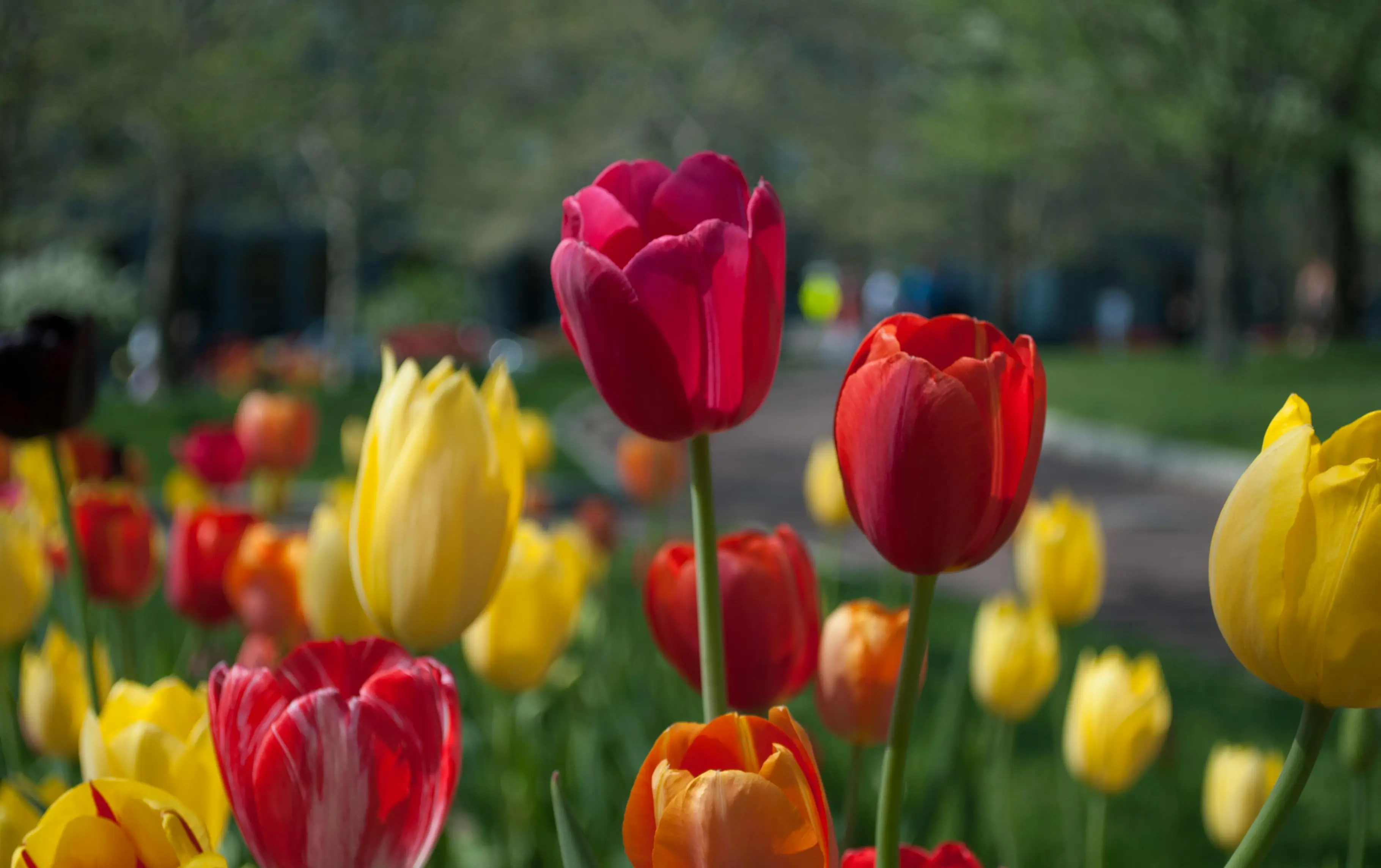
Spring is the season that converts the most first-time visitors into repeat ones. The valley is coming back to life: the Chinar trees are budding, the gardens are open, Gulmarg still has meaningful snow in March, and the Tulip Festival in Srinagar runs from late March into mid-April. For a single week that gives you the widest range of experiences, this is it.
The Indira Gandhi Memorial Tulip Garden opens for the 2026 season on March 26. Peak bloom falls in early to mid-April, typically around April 5 to April 15, though this shifts slightly year to year depending on temperatures. The garden holds over 1.5 million tulips across 30-plus varieties and is the largest tulip garden in Asia. Entry is Rs. 75 for adults and Rs. 30 for children.
The single most useful tip for visiting: go at sunrise. By 7 AM the light is soft, the crowds are thin, and the photography is genuinely beautiful. By 10 AM the garden is busy and by midday it is packed. If you have the option to stay nearby and walk in early, take it.
Srinagar hotel prices rise roughly 30 percent across all categories during the festival window. Properties on Boulevard Road and Dal Lake houseboats fill up fast. Book accommodation as early as possible if your dates fall between March 26 and April 20.
Gulmarg in March still has strong snow cover and the Gondola is running. For families or couples who want both the Tulip Festival and a snow experience in the same trip, a late March visit delivers both without compromise. By mid-April the snow at the base is thinning but Phase 2 of the Gondola up to Apharwat Peak at 4,000 metres still has significant snow through April.
Skiing is still possible in March and into early April, though the season is winding down. If skiing is the primary goal, January and February are stronger. If snow for the experience and the views is enough, March works well.
First-time visitors to Kashmir who want to see the valley at a visually striking moment. Couples on a honeymoon or anniversary trip who want the combination of Dal Lake, the Tulip Garden, and mountain snow in a single week. Families where the children are old enough to appreciate the gardens and the Gondola, typically aged 8 and above. Photographers at any level.
Mid-range season for most of March, shifting to peak pricing during the Tulip Festival window from late March through mid-April. Delhi to Srinagar return flights run Rs. 8,500 to Rs. 12,000 in early March and climb toward Rs. 15,000 to Rs. 19,000 as the festival approaches. Book 6 to 8 weeks ahead to get the best fares across all routes.
Targeting the Tulip Festival window? Hotel availability moves fast in this period.
If you are deciding where to stay during the Tulip Festival window, our guide to the best hotels in Kashmir breaks down reliable options in Srinagar, Gulmarg, and Pahalgam.
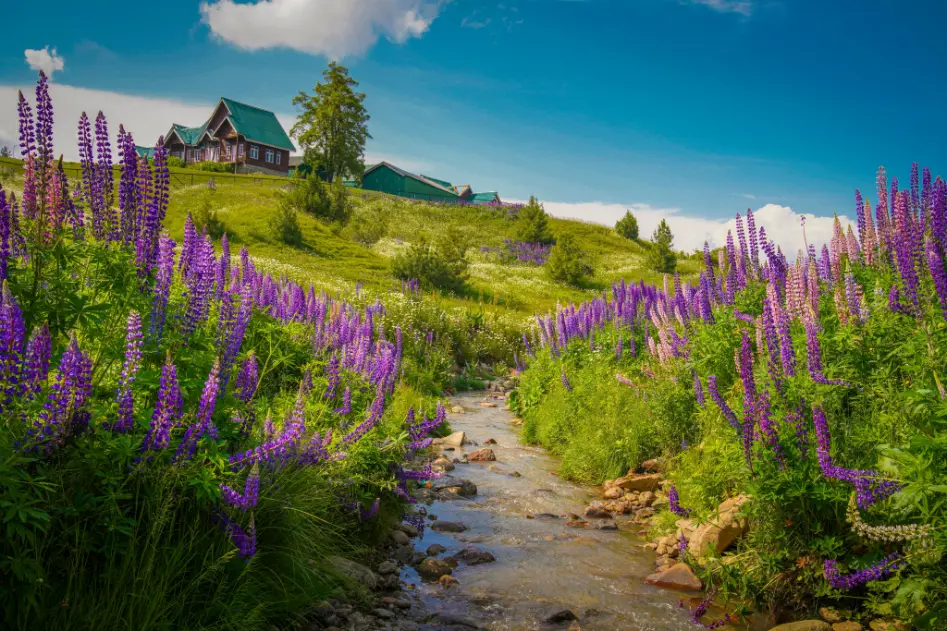
Summer is peak family travel season and the most popular time to visit Kashmir overall. Schools are out across India, the weather is comfortable throughout the valley, the meadows in Gulmarg and Pahalgam are at their greenest, and every road is in its best condition. If you are travelling with children and need a predictable, easy-to-plan trip, this is the window.
Srinagar in May and June sits between 20 and 30 degrees Celsius during the day, dropping to around 12 to 15 degrees at night. Dal Lake is at its most accessible and the Shikara experience is at its best in the long evening light. The Mughal gardens are fully open and at their most lush. The Old City is lively and the street food scene is in full swing.
Gulmarg in summer is a completely different destination from Gulmarg in winter. The snow has largely retreated to the higher elevations, the meadows are wide and green, and the atmosphere is relaxed rather than ski-resort busy. The Gondola still runs to Apharwat Peak and the views are arguably better in summer with clear skies and the full Himalayan range visible.
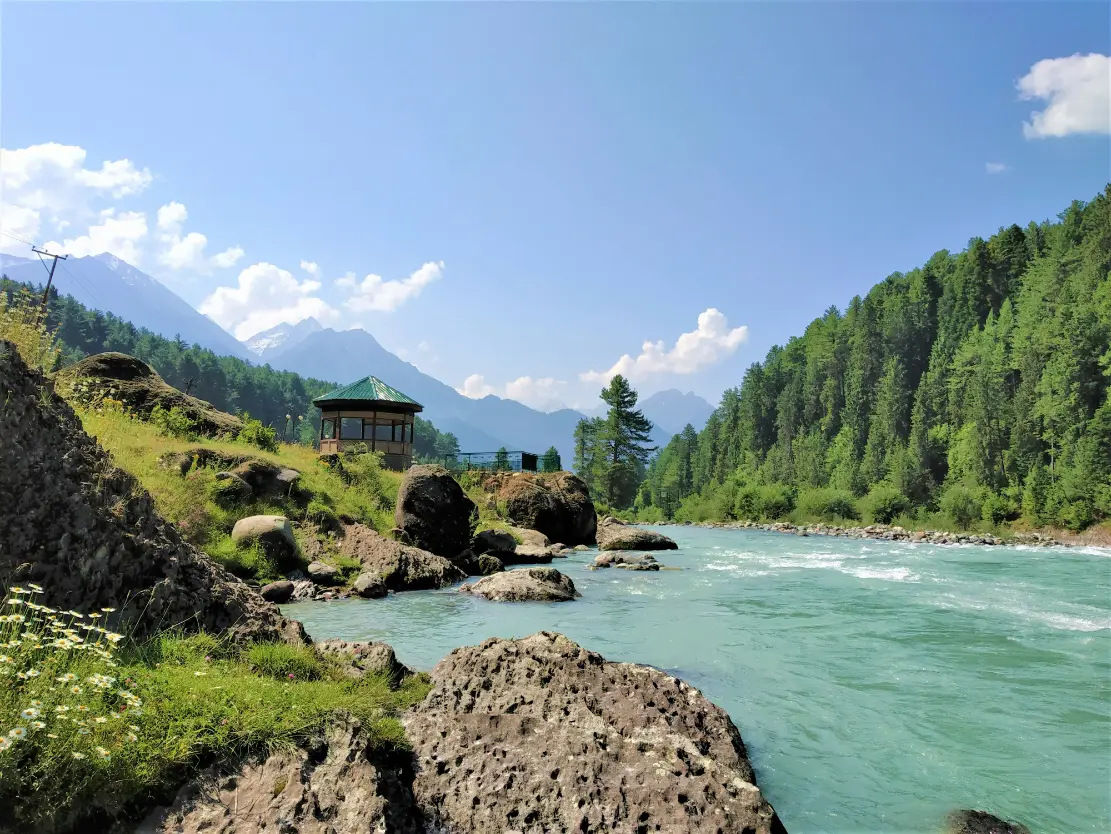
Pahalgam in summer is at its best. The Lidder River is running well, Betaab Valley and Aru Valley are fully accessible and green, and a picnic by the river is the kind of easy, unhurried afternoon that families remember long after they get home.
Pahalgam gets extremely busy during the Amarnath Yatra pilgrimage season, which typically runs from late June or early July through August. The town fills up completely, accommodation prices spike, and the roads toward the pilgrimage route carry significant traffic. If your summer trip falls in this window, book Pahalgam accommodation months in advance or consider visiting in May or early June before the Yatra begins.
Families with school-going children where the travel window is fixed to May and June. First-time visitors who want the easiest, most straightforward introduction to the valley. Groups of four to eight who need reliable logistics and consistent road conditions. Travellers coming from Mumbai or Bangalore who find the valley temperatures a welcome relief from the heat.
Summer is the highest-cost season. Delhi to Srinagar return flights run Rs. 13,000 to Rs. 19,000 in May and can push to Rs. 18,000 to Rs. 24,000 in the school holiday peak. Hotel and houseboat rates are at their highest across all categories. Book 6 to 8 weeks ahead for flights and as early as possible for accommodation, particularly in Srinagar and Gulmarg.
If you are visiting for the first time, seeing how the route is structured helps. This 7-day Kashmir itinerary shows how most travellers split their time between Srinagar, Gulmarg, and Pahalgam.
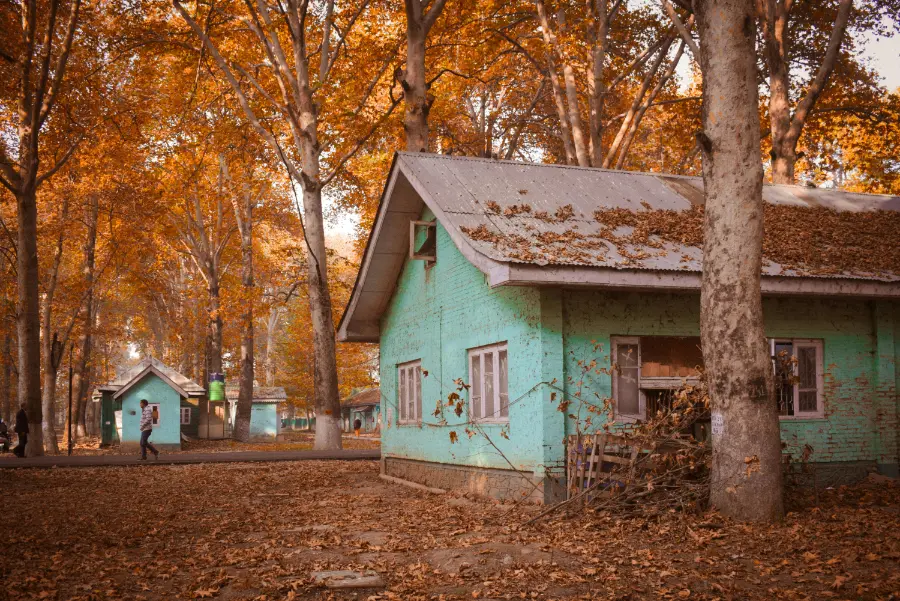
Autumn is the season that people who know Kashmir well tend to recommend most. The tourist crowds have thinned significantly after the summer peak, prices drop back to mid-range, and the valley turns gold. The Chinar trees go through a colour change from late October into November that transforms the landscape around Dal Lake, the Mughal gardens, and the approach roads to Pahalgam and Gulmarg.
The photography conditions in October and November are exceptional. The light is softer than summer, the skies are clear before the winter clouds arrive, and the colour contrast between the gold Chinar trees, the blue of Dal Lake, and the white of the first snowfall on the higher peaks creates conditions that are difficult to replicate at any other time of year.
Practically, autumn is also easier. Crowds are lower than summer, road conditions are still good, and the main activities including the Gondola, the valley drives, and the Pahalgam excursions all operate without the summer peak-season pressure. Hotel rates are noticeably lower than May and June.
November temperatures drop sharply, particularly at altitude. Gulmarg in November can already have early snow and temperatures well below zero at the top station. Pack accordingly: warm layers are essential even if the base-level days feel comfortable. The Gondola and main roads remain open through November but early snowfall can occasionally affect mountain drives.
Couples looking for a quieter, more romantic trip with fewer crowds. Photographers at any level who want the best visual conditions the valley offers. Travellers who have already done Kashmir in summer and want to see it in a completely different light. Budget-conscious travellers who want mid-range pricing without compromising on experience.
Mid-range pricing across flights, hotels, and activities. Delhi to Srinagar return flights typically run Rs. 9,000 to Rs. 14,000 in October and November. Accommodation rates are 20 to 30 percent lower than summer peak across most categories.
Autumn trips tend to feel more relaxed, which makes hotel choice more important. Our guide to the best hotels in Kashmir covers everything from Dal Lake houseboats to Gulmarg resorts.
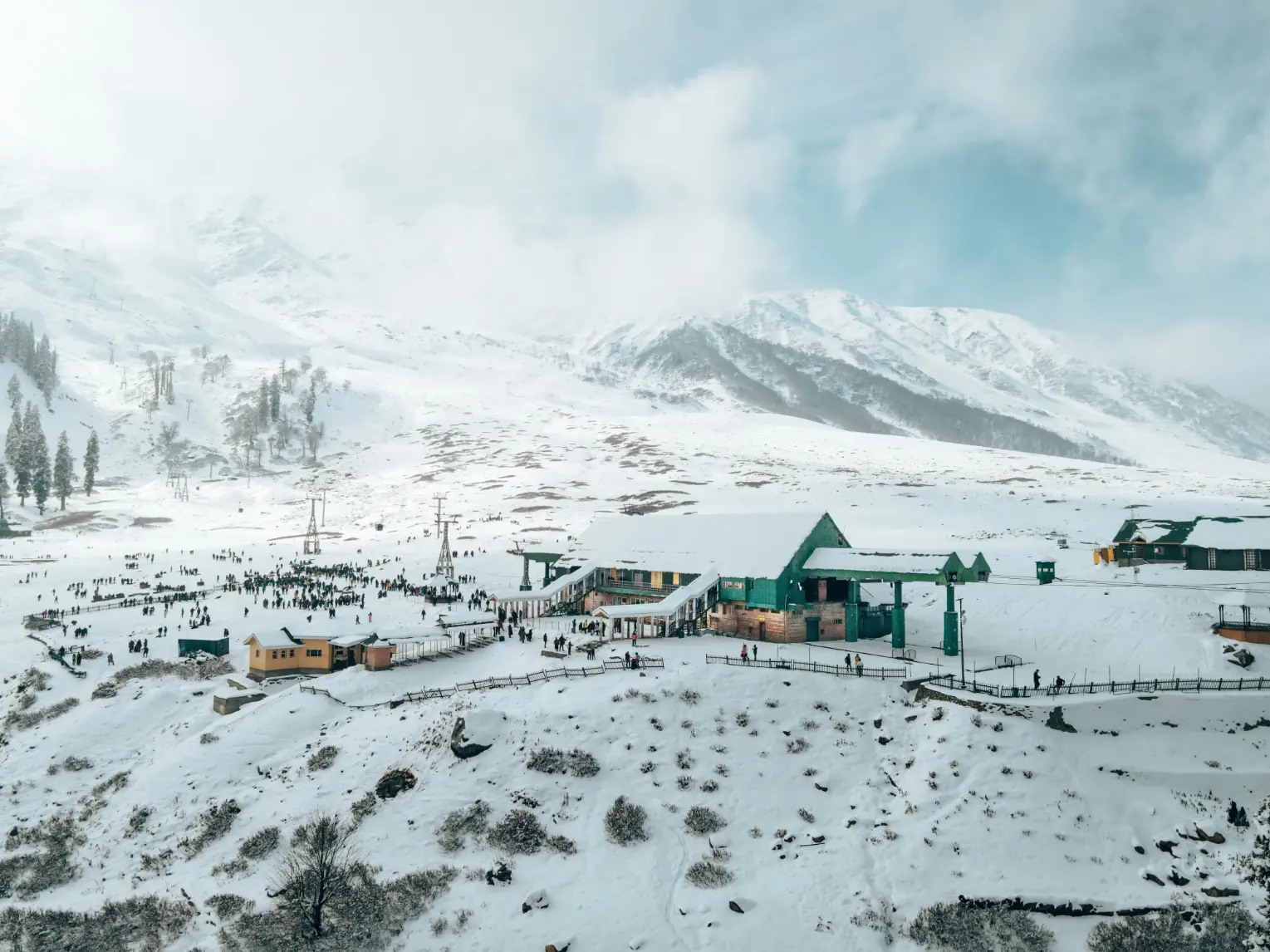
Winter is for people who specifically want snow. Not a chance of snow, not snow at altitude only, but proper deep snow at Gulmarg, a partially frozen Dal Lake, and the valley wrapped in a cold that makes the Bukhari fires in the houseboats feel like the warmest thing in the world. It is not the easiest Kashmir trip to plan, but for the right traveller it is the most memorable.
One term worth knowing for winter planning: Chillai Kalan. This is the traditional Kashmiri name for the 40-day period of peak cold, running from December 21 to January 31. Temperatures at Gulmarg during Chillai Kalan regularly drop below -10°C at night. It is simultaneously the harshest and most dramatically beautiful time to be in the valley. If you are planning a January trip and specifically want the most intense snow experience, Chillai Kalan is what you are booking into.
Gulmarg's ski season peaks from January through February. The slopes receive consistent snowfall and the Gondola runs to Apharwat Peak through the season. Ski lessons for beginners cost Rs. 2,000 to Rs. 3,500 and gear rental for a jacket and boots runs Rs. 800 to Rs. 1,500 per day, available locally. The Khyber Himalayan Resort is the standout property for a ski-focused trip, with heated transfers and proximity to the Gondola.
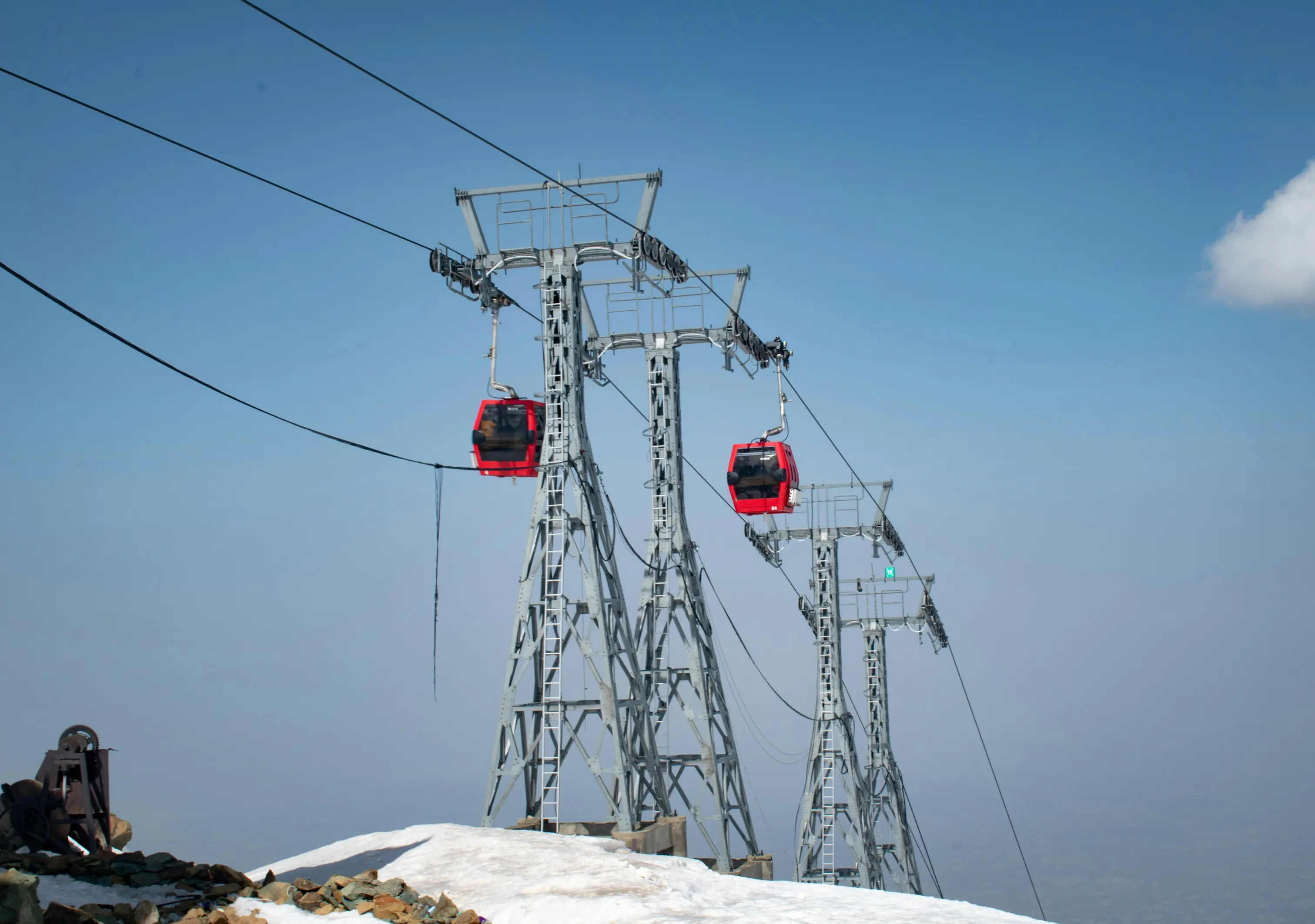
Gondola tickets are pre-booked online only at jammukashmircablecar.com. There are no offline counters. In January and February the Gondola sells out on peak days, so pre-booking is not optional.
Before January 2025, Sonamarg was largely inaccessible in winter. The Z-Morh Tunnel, a 6.5 km all-weather road link inaugurated in January 2025, now keeps Sonamarg open year-round including through the heaviest winter months. Thajiwas Glacier in winter, with deep snow and zero tourists, is a completely different experience from the summer version. For winter itineraries, Sonamarg is now a viable and genuinely rewarding Day 6 option.
In extreme cold years, portions of Dal Lake freeze over. The houseboats in this period glow from the inside with Bukhari wood fires, the lake is quiet, and the morning light on the water and the surrounding hills on a clear winter day is something that photographs cannot fully capture. Sukoon Houseboat and Taj Dal View both operate through winter and maintain their standards. Confirm heating arrangements before booking any property.
Couples who want a romantic, dramatic Kashmir experience. Skiers and snow sport enthusiasts for whom Gulmarg is the primary draw. Travellers who have done Kashmir before and want to see the valley in its most striking, least-visited form. Anyone who has been to Switzerland or the European Alps and wants to understand why Gulmarg compares well at a fraction of the cost.
Winter pricing splits into two distinct bands. The Christmas and New Year window from December 20 to January 5 is peak pricing: flights push to Rs. 15,000 to Rs. 26,000 from Delhi and hotel rates across all categories are at their highest. January and February outside the holiday window are more manageable. Budget an additional Rs. 500 to Rs. 1,500 per day for heating surcharges at mid-range and budget properties, and confirm this before booking.
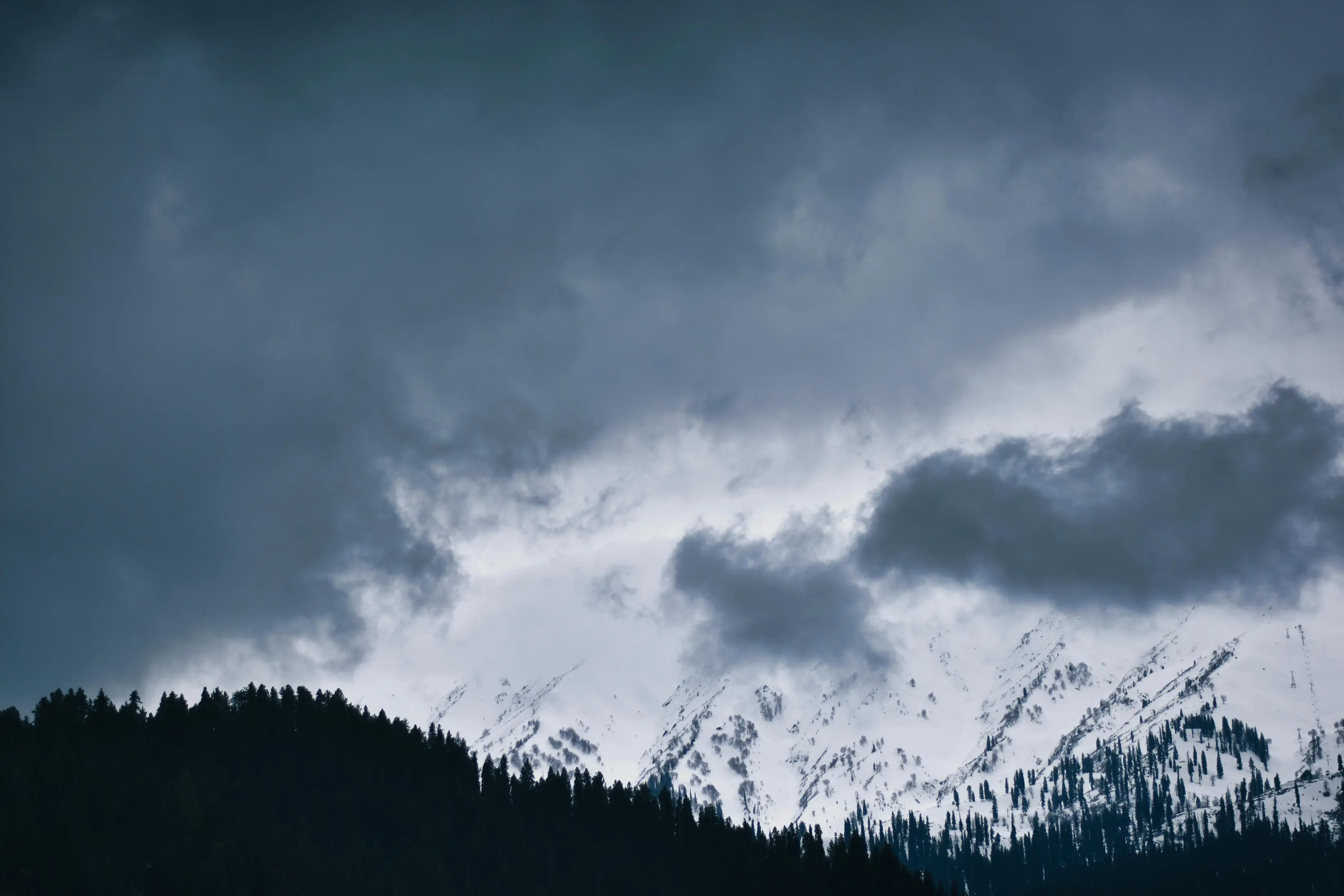
Kashmir sits on the northern side of the Himalayan range, which means it receives far less rainfall during the monsoon than most of India. July through September is generally manageable in Srinagar and Pahalgam, with intermittent rain rather than the sustained downpours that characterise the monsoon further south. The valley is lush, green, and at lower prices than summer peak.
The practical issue for this window is the Amarnath Yatra, which runs from late June through August and centres on Pahalgam as the starting point. The town gets very busy, accommodation prices spike, and the approach roads carry significant pilgrim traffic. If you are visiting in July or August, plan your Pahalgam stay carefully and book months in advance. September is a cleaner window: the Yatra has ended, the valley is still green, the crowds have thinned, and prices are beginning to soften toward autumn rates.
A quick reference for what to expect across the three main destinations. Temperatures are approximate averages. Gulmarg sits at 2,650 metres at base and rises to 4,000 metres at the Gondola top station — always pack warmer than you think you need.
May and June are the strongest months for families with school-going children. The roads are in their best condition, every activity is fully operational, and the weather is comfortable for children across all three destinations. If the school calendar allows any flexibility, late March to early April is worth considering as well: the Tulip Garden is genuinely engaging for children, Gulmarg still has snow, and the crowds have not yet reached summer levels.
For families with very young children, avoid the Amarnath Yatra window in July and August and the extreme cold of January. Phase 2 of the Gulmarg Gondola reaches 4,000 metres and mild altitude symptoms are possible for young children: hydrate well and come down if anyone is uncomfortable.
Spring and autumn are the two strongest seasons for couples. Late March to April combines the Tulip Garden, a houseboat on Dal Lake, and snow in Gulmarg in a single week and is the most visually striking week Kashmir offers. October and November are quieter, more intimate, and cheaper, with the Chinar colour and the soft autumn light creating conditions that feel genuinely romantic without the summer crowds.
For couples specifically wanting snow, January and February in Gulmarg at The Khyber Himalayan Resort is a strong option. The heated pool with Himalayan views, the ski days, and the evenings by a fireplace make it one of the better winter luxury experiences available in India at any price point.
If you are trying to decide when to travel or how to structure the route, you can also contact us and get a recommendation based on your dates and group.
A few genuine updates that are relevant to timing decisions this year. The Z-Morh Tunnel, inaugurated in January 2025, now keeps Sonamarg accessible through winter for the first time. This makes winter itineraries more complete and gives the December to February window a third destination that was not reliably available before.
The Gulmarg Gondola is now fully online with no offline counters. This matters for timing because peak-season dates, particularly in January, February, and May, can see tickets sell out in advance. Pre-booking is the only reliable approach. Visit jammukashmircablecar.com before your travel date.
The Vistadome rail service extended to Katra on February 11, 2026. For families who find long road journeys tiring, this is a useful transfer option on legs where the schedule aligns, particularly relevant for summer family trips where road traffic can be heavy.
The Leela Palaces has taken over the Centaur Lake View Hotel on Dal Lake but a Rs. 300 crore redevelopment means it will not be open in 2026. The luxury hotel landscape on Dal Lake remains Taj Dal View and Sukoon Houseboat as the top options for this year.
What is the best time to visit Kashmir for the first time?
Late March to April is the strongest option for a first visit. The Tulip Festival is open, Gulmarg still has snow, and prices are mid-range rather than peak. You get the widest range of experiences in a single week and the weather is comfortable across all three main destinations.
What is the best time to visit Kashmir for snow?
December to February is peak snow season. Gulmarg skiing is at its best in January and February. The Z-Morh Tunnel now keeps Sonamarg accessible year-round, making winter itineraries more complete than before 2025. Book accommodation and Gondola tickets well in advance for this window.
What is the best time to visit Kashmir for families with kids?
May and June are the most practical months for families with school-going children. Roads are in their best condition, every activity is fully operational, and the weather is comfortable at all altitudes. Late March to early April is a good secondary option if the school calendar allows flexibility.
What is the best time to visit Kashmir for couples?
Spring from late March to April for the Tulip Festival and mountain snow. Autumn in October and November for quiet, gold Chinar trees, and softer prices. Winter at The Khyber in Gulmarg for the most dramatic snow experience. All three work well for different reasons.
When should I avoid visiting Kashmir?
July and August are the most complicated months due to the Amarnath Yatra pilgrimage, which makes Pahalgam very busy and expensive. The Christmas and New Year window from December 20 to January 5 is peak pricing across all categories. These windows are manageable with advance planning but are not the easiest times for a first visit.
Is Kashmir cold in April?
Srinagar in April is pleasant: daytime temperatures between 15 and 22 degrees Celsius, cooler evenings. Gulmarg in April is colder, particularly at the Gondola top station where temperatures can drop to zero or below even in mid-April. Pack warm layers for Gulmarg regardless of the season.
When does the Tulip Festival happen in 2026?
The Indira Gandhi Memorial Tulip Garden opens on March 26, 2026. Peak bloom falls in early to mid-April, typically around April 5 to April 15. Entry is Rs. 75 for adults and Rs. 30 for children. Go at sunrise for the best experience and the smallest crowds.
Can I visit Kashmir in winter with kids?
Yes, with some adjustments. Phase 2 of the Gulmarg Gondola reaches 4,000 metres and mild altitude symptoms are possible for young children. Temperatures at Gulmarg drop sharply after sunset. Carry warm clothing, plan indoor time, and keep the schedule flexible for road conditions. Winter in Kashmir with children aged 8 and above who enjoy snow is genuinely rewarding.
What is Chillai Kalan?
Chillai Kalan is the traditional Kashmiri name for the harshest 40-day stretch of winter, running from December 21 to January 31. During this period Gulmarg temperatures regularly drop below -10°C at night and snowfall is at its heaviest. It is the most dramatic time to experience Gulmarg — and the coldest. Plan accordingly with heavy layers and confirmed heating at your accommodation.
There is no wrong season in Kashmir. There is only a mismatch between what you want and when you go. The guide above covers every window honestly. Get the timing right and the itinerary tends to fall into place from there.
Ready to plan your Kashmir trip?
If you want help designing the route, choosing hotels, and timing the trip around the right season, you can get in touch with our team here.
CURATED TOP DESTINATIONS


Subscribe for more updates!
Get exclusive travel inspiration, private itinerary ideas, and
curated destination guides from LocalHi's travel designers.