
Subscribe for more updates!
Get exclusive travel inspiration, private itinerary ideas, and
curated destination guides from LocalHi's travel designers.

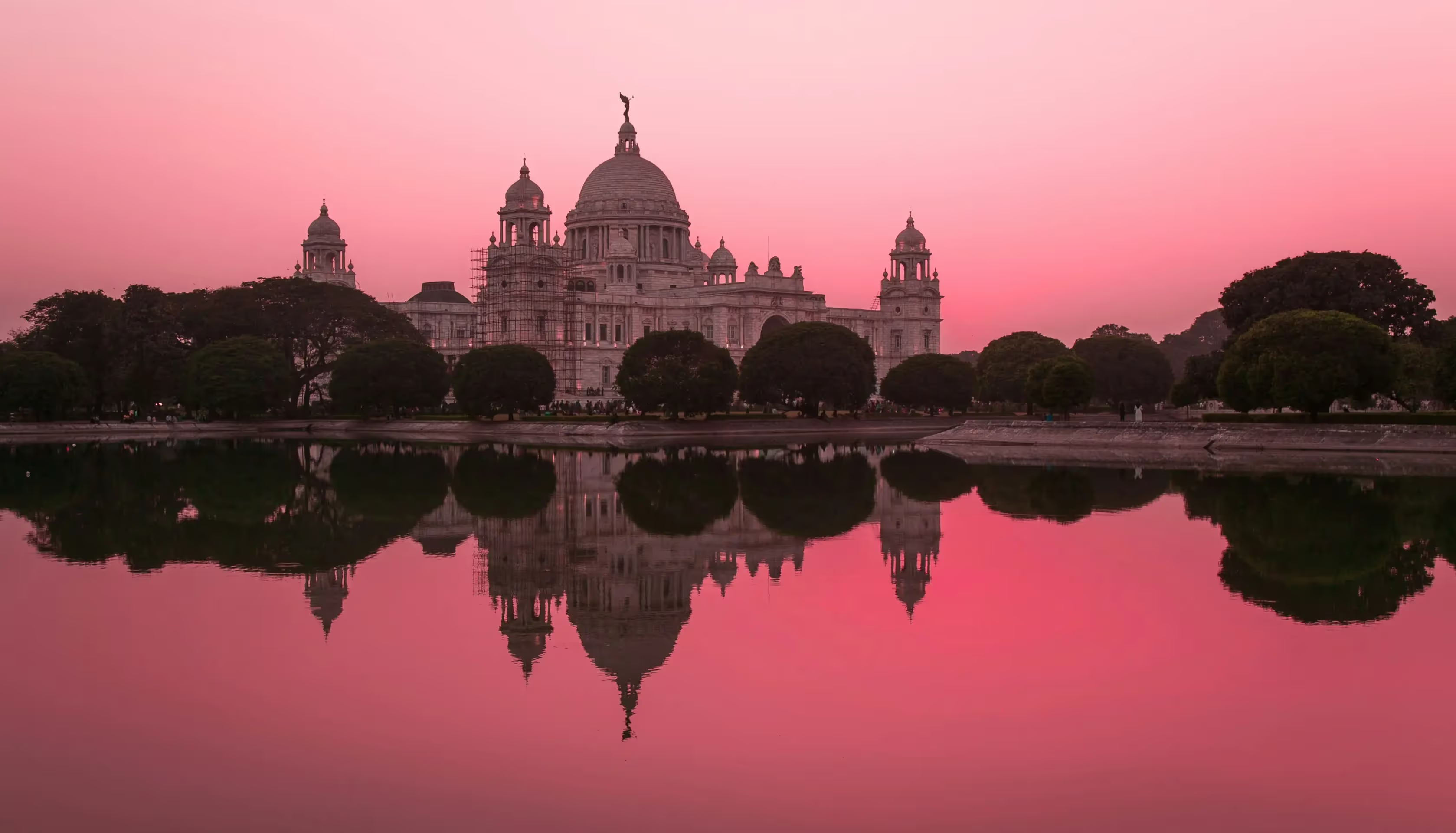
The first thing most travelers wonder before planning a trip to India is simple: when should I go? The truth is, timing makes all the difference. Visit in the middle of summer and the heat can feel overwhelming. Arrive during the monsoon and you may spend more time indoors than out. But come between October and March, and you discover India at its most welcoming, bright mornings, cooler evenings, and landscapes refreshed after the rains.
Before deciding your timing, browse our India beyond the Taj Mahal hidden gems guide to understand which regions might anchor your visit.
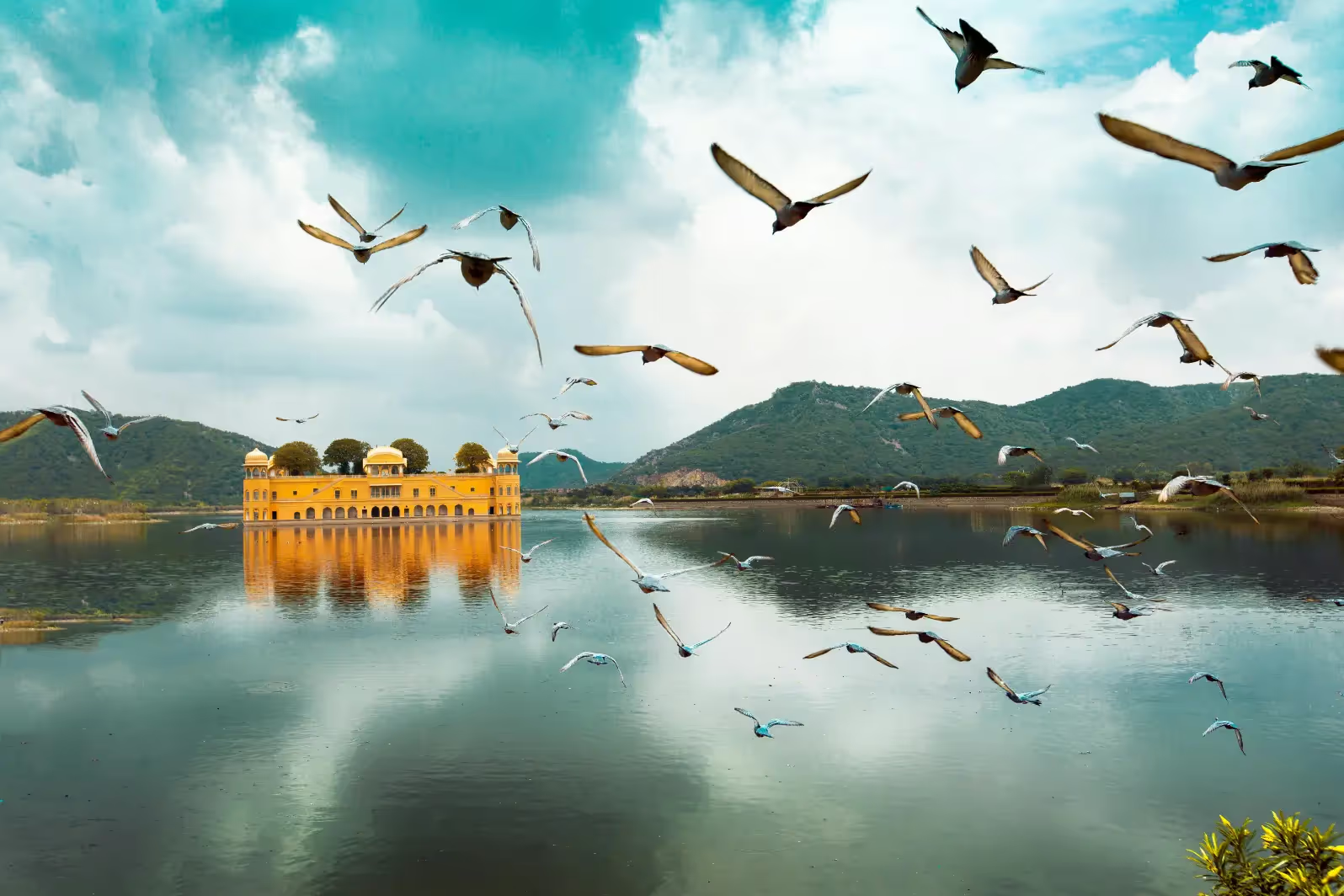
The months from October to March are widely regarded as the best time to visit India. These are the months when the weather is kinder, the skies are clearer, and the rhythm of daily life is easier for visitors to step into. Across most of the country, daytime temperatures sit at a comfortable range for sightseeing. Evenings may bring a chill in the north, while the south remains warm and tropical.
Planning your first India trip around this timing guide? Read our complete first-time India travel guide for everything else you'll need.
For international travelers, this period is more than just pleasant weather. It is also the season when India feels most alive. Festivals, wildlife safaris, and cultural experiences are at their best, and the practical side of travel, from road conditions to flight reliability, is smoother without the interruptions of heavy rain.
India is vast, and its regions respond differently to the same season. Knowing what each area offers between October and March helps in shaping a well-rounded journey.
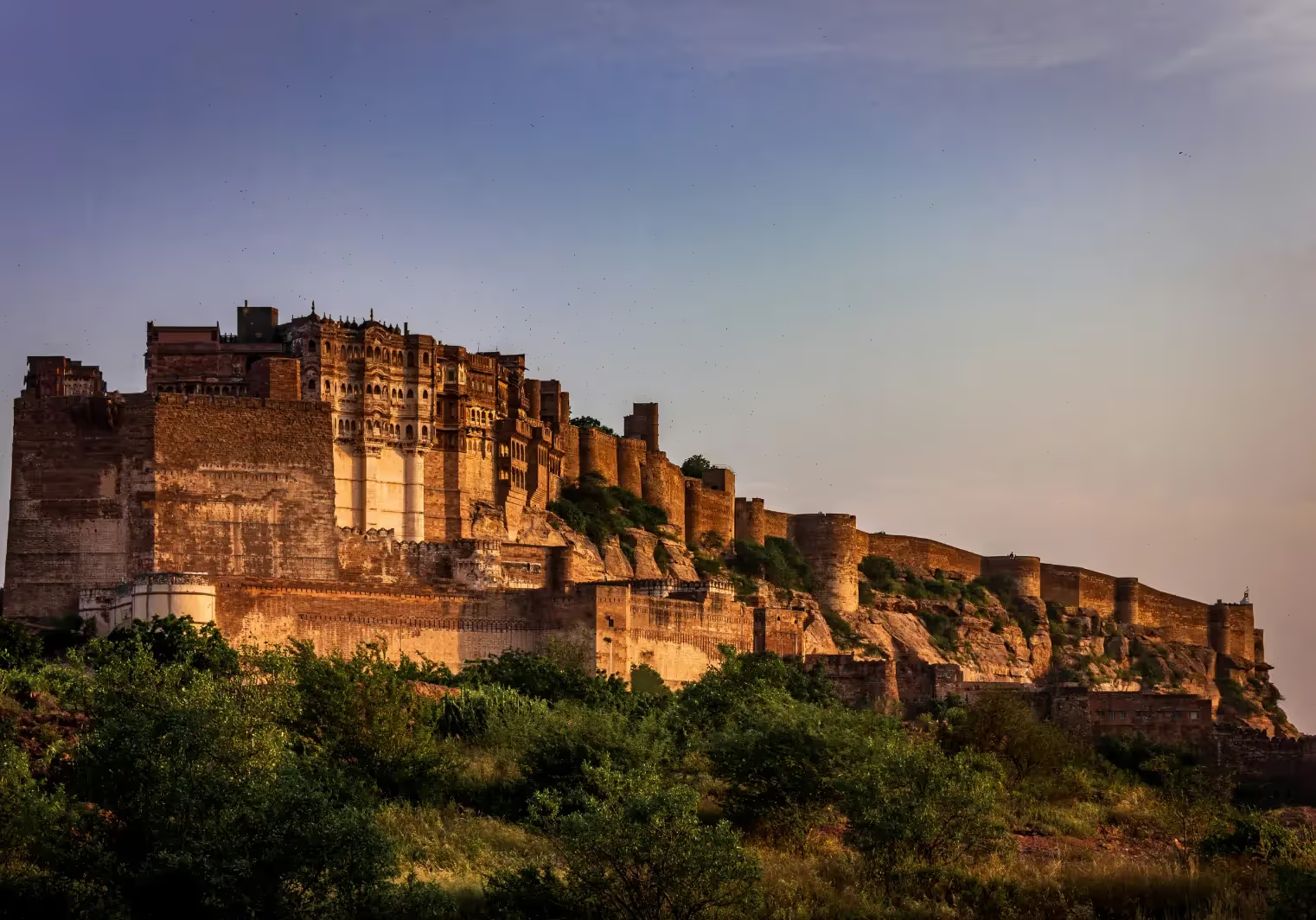
This mix of options is what makes seasonal India trips for foreigners so appealing. You can combine contrasting regions in one journey without the extremes of weather complicating the experience.
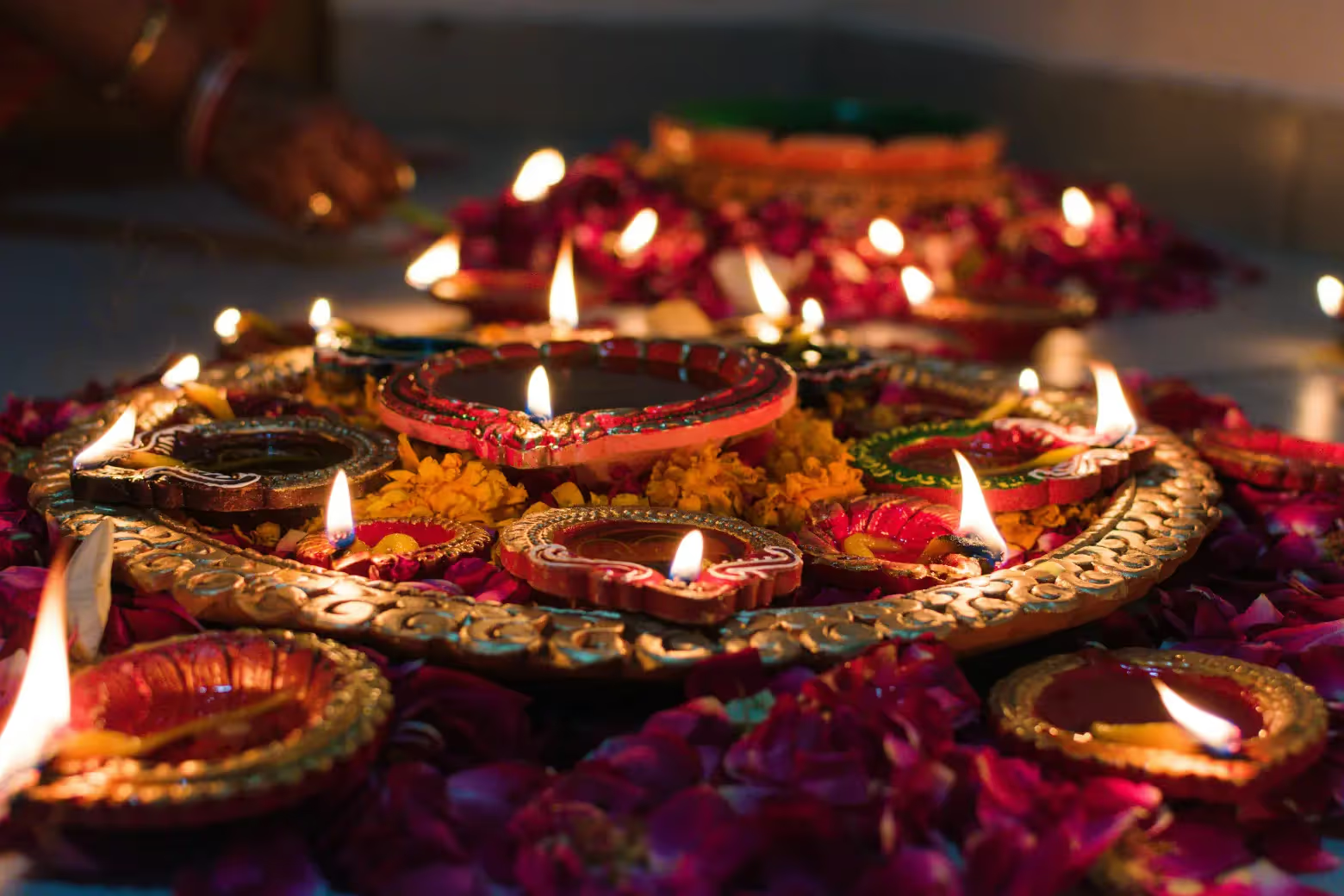
Traveling in India between October and March also means encountering some of its most vibrant festivals. Diwali, the festival of lights, usually falls in October or November, when entire cities glow with lamps and fireworks. In March, Holi fills the streets with color as communities come together to celebrate spring. These moments add a layer of cultural depth to any trip and are far easier to enjoy when the weather allows long days outdoors.
Festival timing is one of the best reasons to choose a specific window — our foreigners guide to experiencing Indian festivals maps the festival calendar to help you choose.
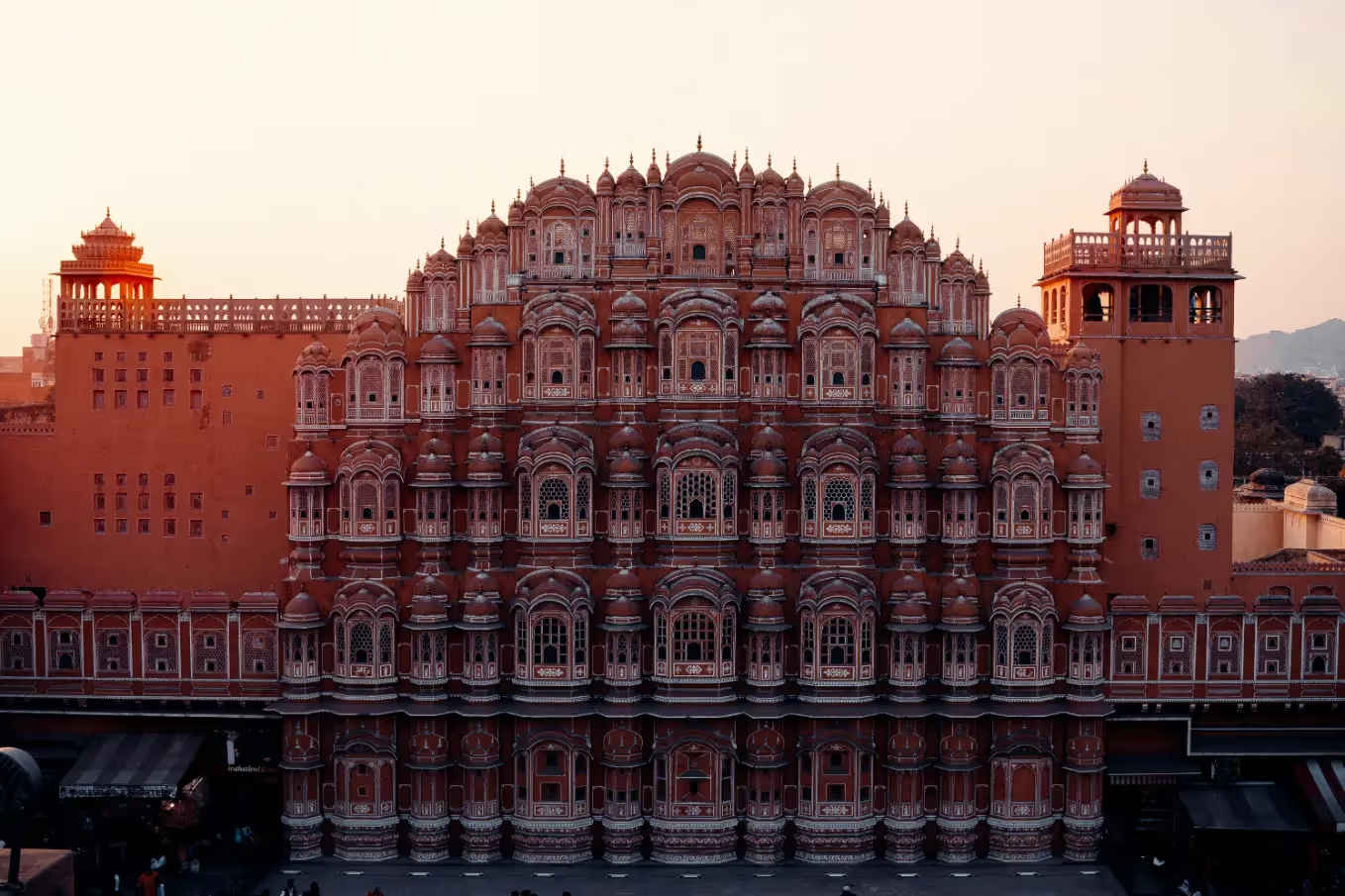
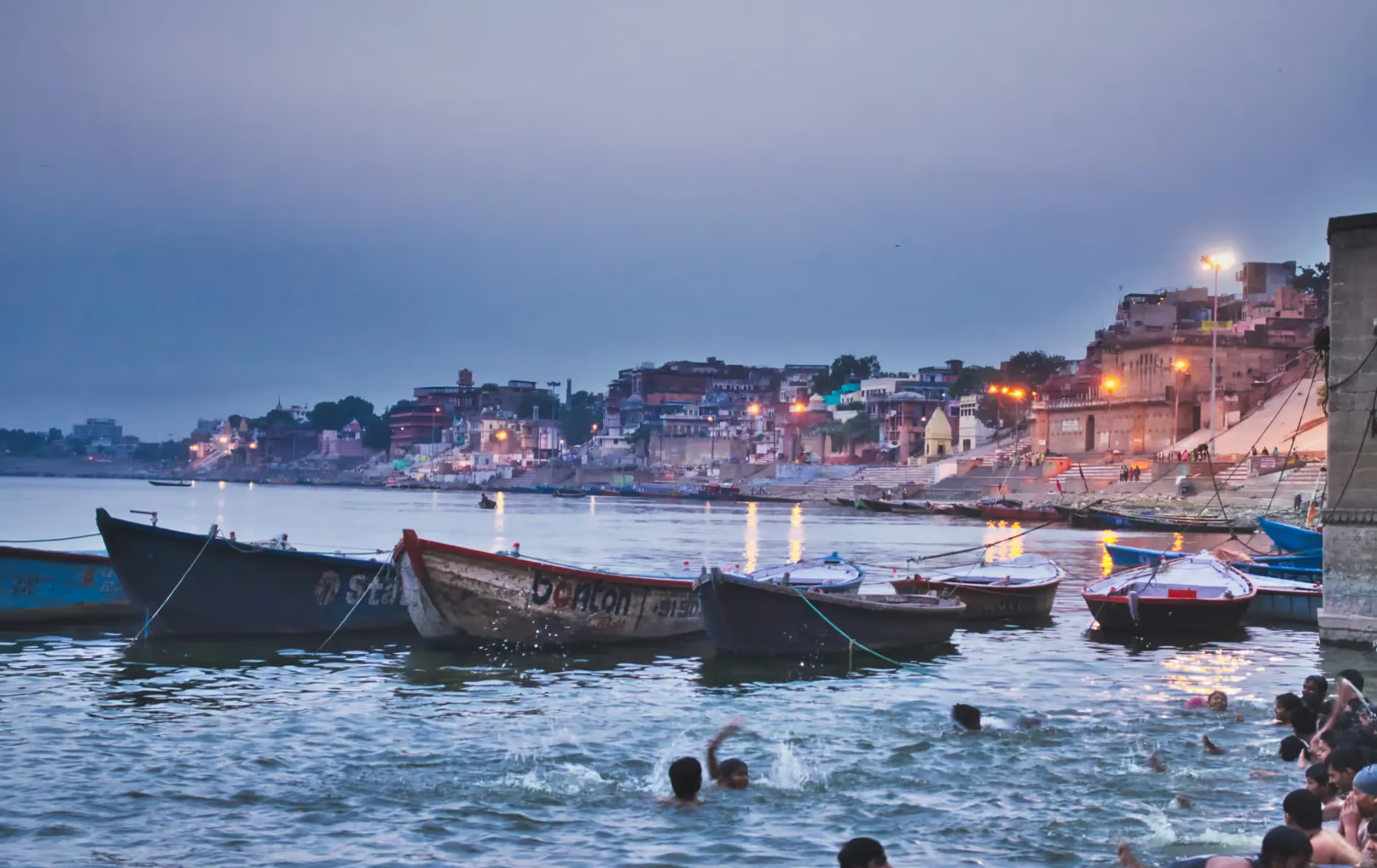
Even within this ideal window, there are details worth preparing for. In December and January, the northern plains can see fog that sometimes delays trains and flights. Nights in Delhi, Jaipur, and Varanasi can be surprisingly cold, so layers are essential. In contrast, the beaches of Goa or the backwaters of Kerala will still be warm, reminding travelers that India is never one uniform climate.
Packing for variety is important. Light cottons for the day, a warm jacket for the north, and perhaps even a shawl or scarf for evenings at outdoor events will make travel far more comfortable.
It can be tempting to look beyond the peak months in search of quieter experiences. Yet summer and monsoon bring their own challenges. From April to June, much of India becomes extremely hot, with daytime temperatures crossing 40°C in many places. This makes sightseeing tiring and often limits time outdoors.
From June to September, the monsoons arrive. The rains bring life back to the land, but they also flood streets, delay travel, and close many safari parks. This is why most international travelers prefer to avoid monsoons in India travel and instead choose the October to March season. The contrast is striking: while monsoon days can be grey and damp, winter months are bright, crisp, and full of opportunities.
If a coastal India trip appeals, our guide to India beaches beyond Goa highlights seasonal beach destinations across the country.
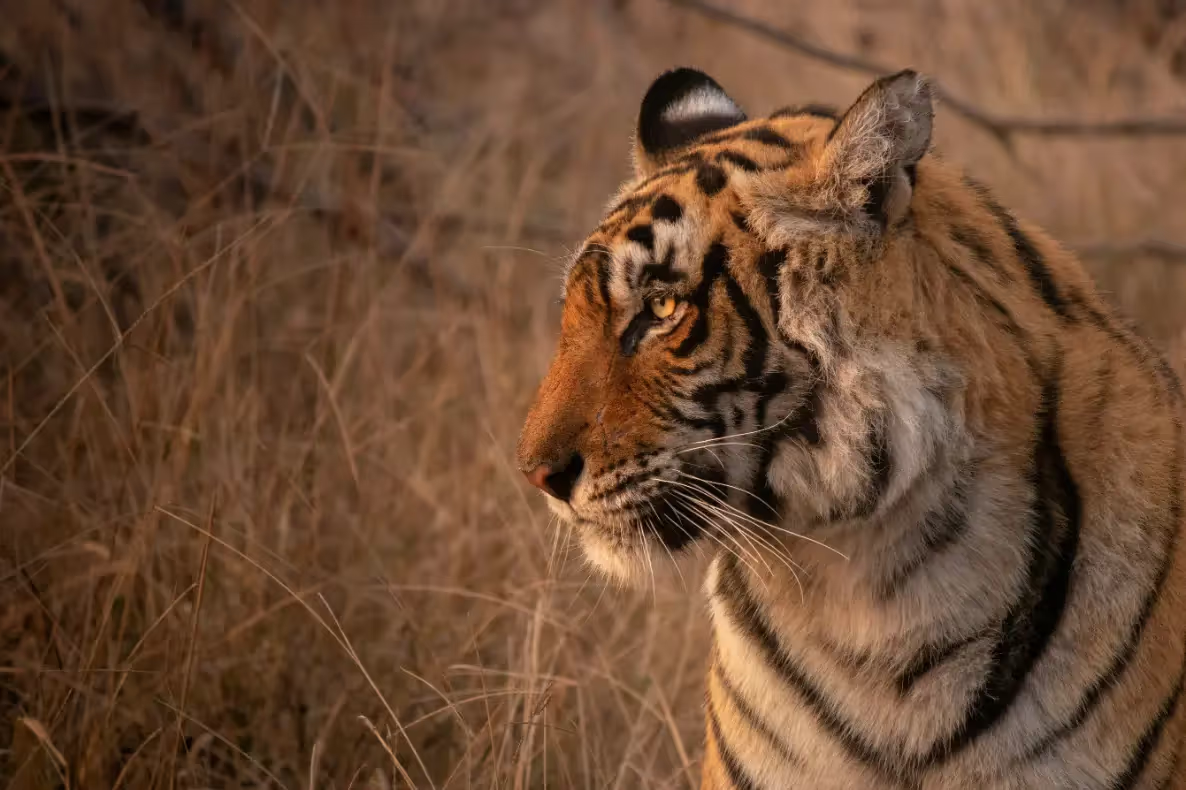
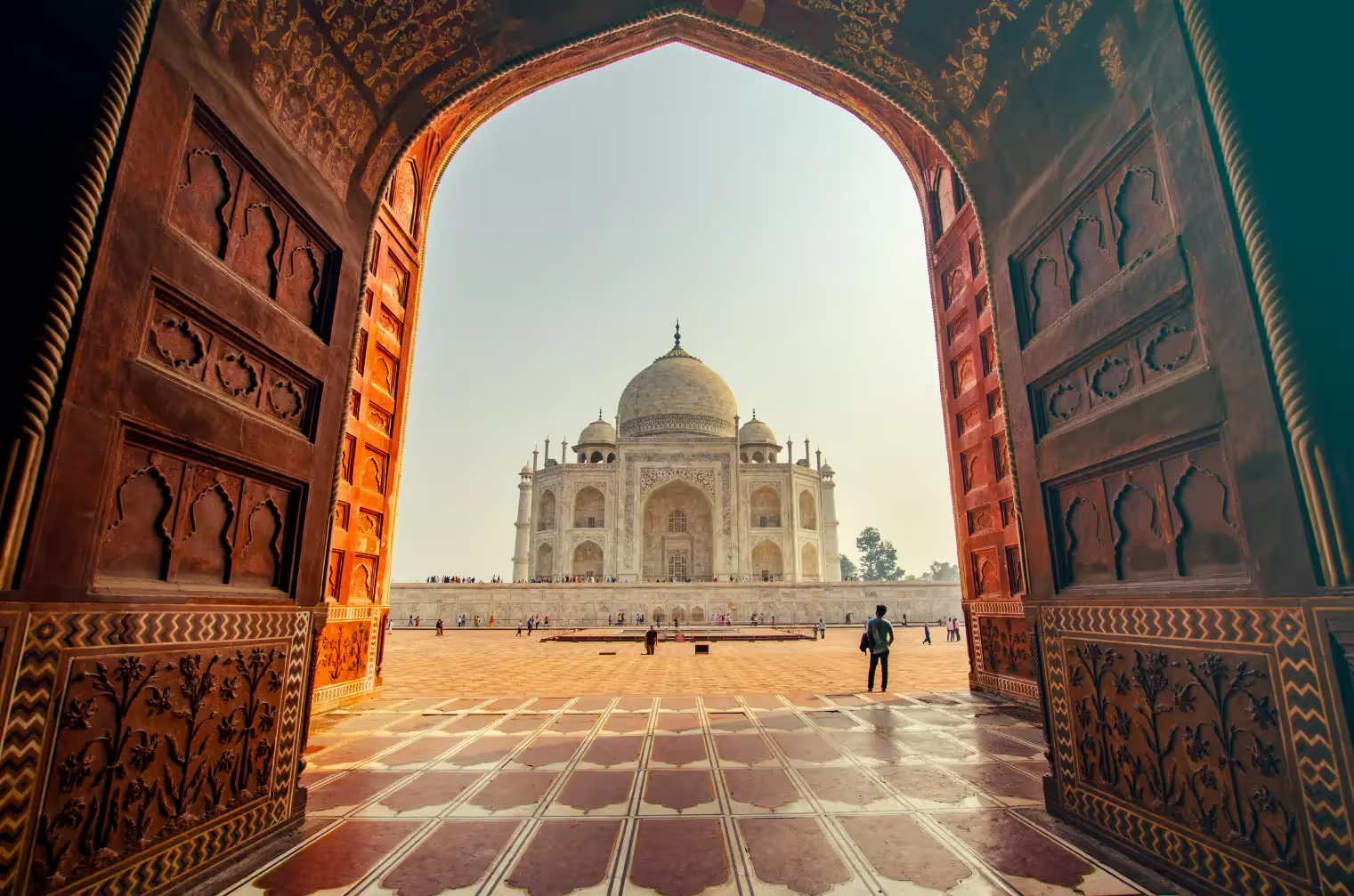
The beauty of traveling between October and March is flexibility. A classic two-week itinerary might begin with the Golden Triangle of Delhi, Agra, and Jaipur, then extend to Ranthambore for a safari. For those who want variety, Rajasthan’s palaces can be paired with Kerala’s palm-lined backwaters, or Varanasi’s river rituals with the beaches of Goa.
Whether it is planning the best day to see the Taj Mahal at sunrise or arranging a boat trip in Kerala during cooler hours, a carefully timed itinerary elevates the experience.
Traveling through India is not just about the places you see, but about how the journey feels. And that feeling changes with the seasons. To walk through Jaipur’s palaces in December, to drift through Kerala’s lagoons in February, to see a tiger in Ranthambore in March, these are experiences made richer by the weather that surrounds them.
For visitors coming from abroad, the months of October to March are the best time to discover India in its full glory. The skies are clear, the festivals are alive, and the country opens itself in a way that feels both welcoming and unforgettable. To plan your journey with the seasons is to ensure that India shows you its finest side.
Let LocalHi time your India trip perfectly — around the right weather, festivals, and experiences. →
1. What is the best month to visit India?
October and November are ideal across most of India, thanks to great weather and festivals like Diwali.
2. When should you avoid India?
April to June can be extremely hot, especially in Rajasthan, while June to September brings monsoon disruptions in many regions.
3. Can you visit India during the monsoon?
Yes—Kerala is lush, Rajasthan looks dramatic, and northeastern states like Meghalaya thrive in the rain.
4. When is the best time to visit Rajasthan?
October to March is ideal for Rajasthan, with November to February offering the most comfortable weather.
5. When is the best time to visit Kerala?
November to February is best for Kerala, though the Onam season (Aug/Sept) is culturally rich despite rains.
6. Can LocalHi help plan the best timing for my India trip?
Yes—timing depends on your route and experiences across India, and can be tailored accordingly.
CURATED TOP DESTINATIONS


Subscribe for more updates!
Get exclusive travel inspiration, private itinerary ideas, and
curated destination guides from LocalHi's travel designers.