
Subscribe for more updates!
Get exclusive travel inspiration, private itinerary ideas, and
curated destination guides from LocalHi's travel designers.

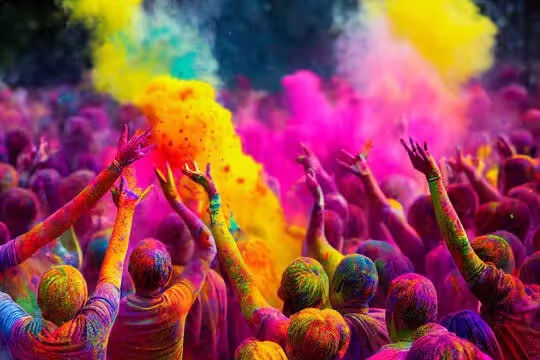
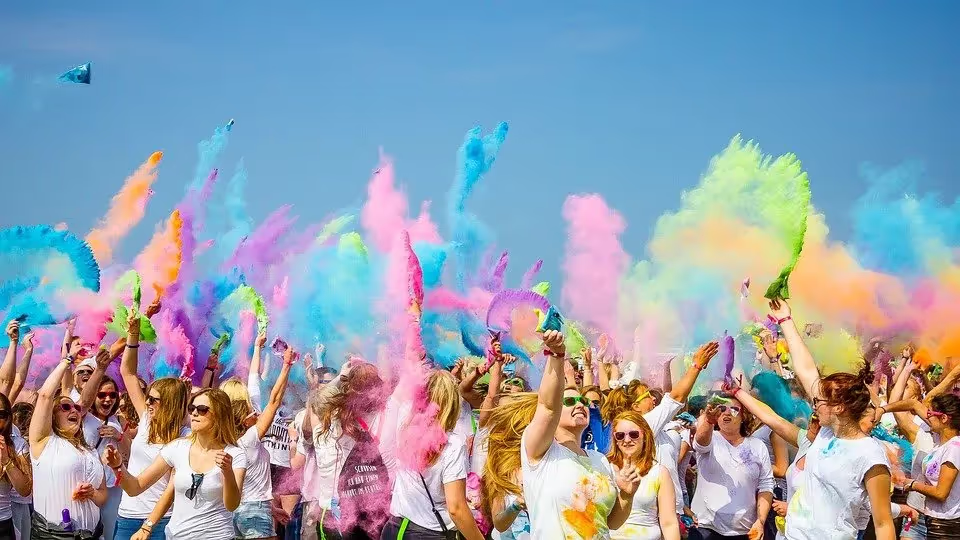
Have you ever witnessed the sheer spectacle of Holi streets erupting in vibrant clouds of color, laughter echoing through the air, and the world transformed into a living, breathing painting? Or watched as strangers become friends, their faces smeared in radiant hues, dancing with abandon under a sky ablaze with celebration?
It’s mesmerizing, isn’t it? But beneath the kaleidoscope of colors lies something even more profound—a story, a purpose, a magic that has captivated hearts for centuries. Why do millions across India and the world come together in this wild, jubilant festival? What secrets does Holi hold within its dazzling rituals?
Let’s peel back the layers of this iconic celebration and discover the vibrant soul of Holi—the festival of colors and so much more.
• Holi marks the end of winter and the triumph of good over evil — celebrated across India and the Hindu diaspora worldwide.
• The festival originates from the mythological story of Prahlada, Holika, and Lord Vishnu.
• Mathura and Vrindavan in Uttar Pradesh offer the most traditional and vibrant Holi celebrations in India.
• Holika Dahan (the bonfire night before Holi) is as important culturally as the colour-throwing the following morning.
• Holi dates change every year based on the Hindu lunar calendar — always falls in February or March.
• Wearing white clothing on Holi is traditional, as the colours show up most vividly against white.
Holi’s iconic use of colors is more than just playful revelry; it is a celebration of life itself. The vivid splashes of color reflect the diversity and vibrancy of nature, symbolizing renewal and harmony. These colors break down societal divides, creating an atmosphere of equality and togetherness.
The tradition stems from the legendary love of Lord Krishna and Radha. Krishna, self-conscious about his dark complexion, mischievously smeared colors on Radha’s face to bridge their differences. This act of playful affection has evolved into a tradition that celebrates love, joy, and the unity of the human spirit.
Beyond its symbolism, the colors honor spring, the season of abundance and optimism. As nature awakens, the festival encourages us to embrace its beauty and express gratitude for life’s blessings.
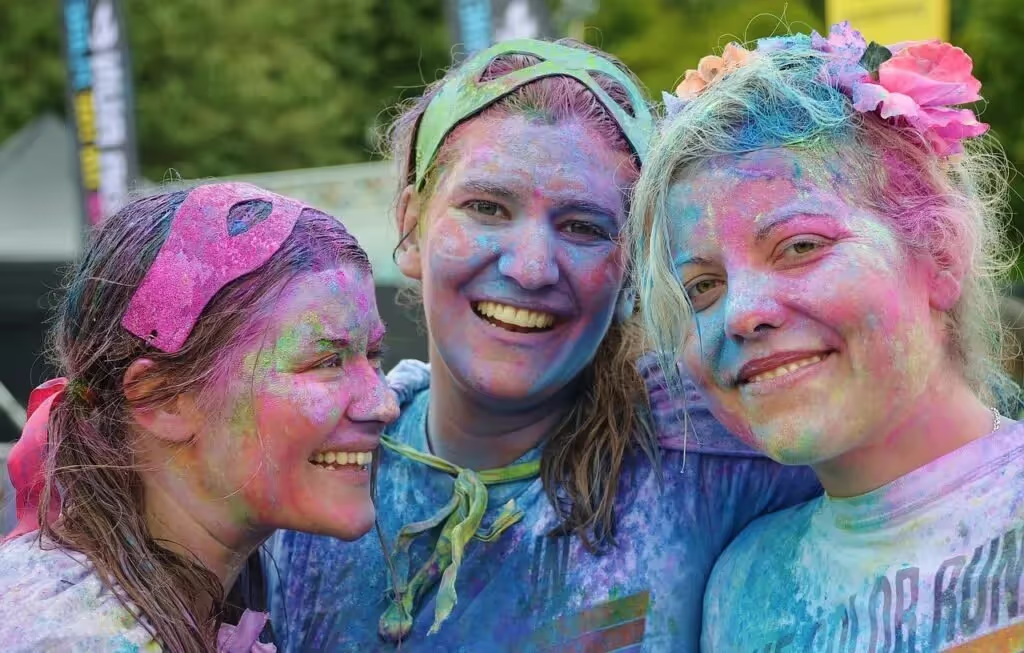
Holi is more than a festival it’s a vibrant celebration of renewal, unity, and the earth’s bounty. As winter fades, fields of golden wheat and barley sway in anticipation of a bountiful harvest. Holi marks this transition, offering gratitude for nature’s generosity and hope for prosperity in the year ahead.
Beyond its connection to nature, the festival carries a profound social message. It’s a time to mend relationships, forgive grievances, and strengthen bonds of love and friendship. The act of smearing colors symbolizes dissolving differences and embracing unity, as people come together to celebrate with joy and laughter.
The festivities begin with Holika Dahan, a ritual that lights up the night with bonfires, symbolizing the triumph of good over evil, inspired by the legend of Prahlada and Hiranyakashipu. The following day, Rangwali Holi, fills the streets with music, laughter, and vibrant colors. People of all ages and backgrounds join in, smearing each other with organic powders in an exuberant and eco-friendly celebration.
Holi is a beautiful reminder of nature’s abundance, the power of love, and the joy of togetherness—a celebration that transcends differences and paints life in vivid hues.
For everything you need to know about how Holi is celebrated today — traditions, rituals, and what to wear — our companion guide on Holi festival history and significance covers it in full.
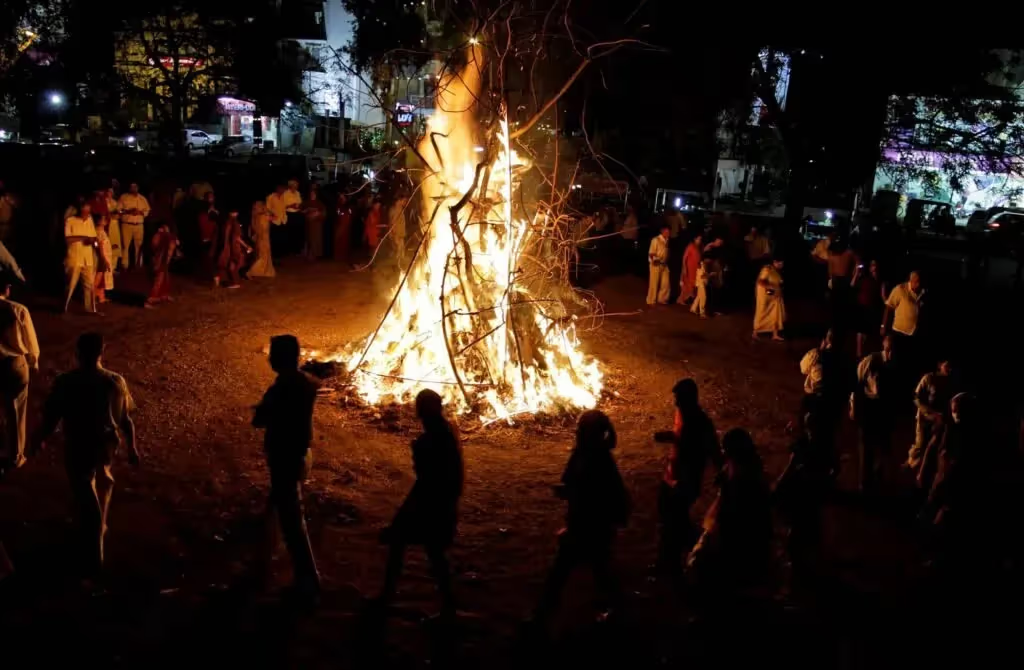
The festival draws from the powerful tale of Prahlada, a devout follower of Lord Vishnu, who defied his tyrannical father, Hiranyakashipu. The demon king, angered by his son’s unwavering faith, plotted to kill him with the help of his sister, Holika, who possessed a magical cloak immune to fire.
As they sat together in a burning pyre, divine intervention saved Prahlada, and the flames consumed Holika. This victory of faith over arrogance is commemorated through Holika Dahan, reminding us of the enduring triumph of good over evil.
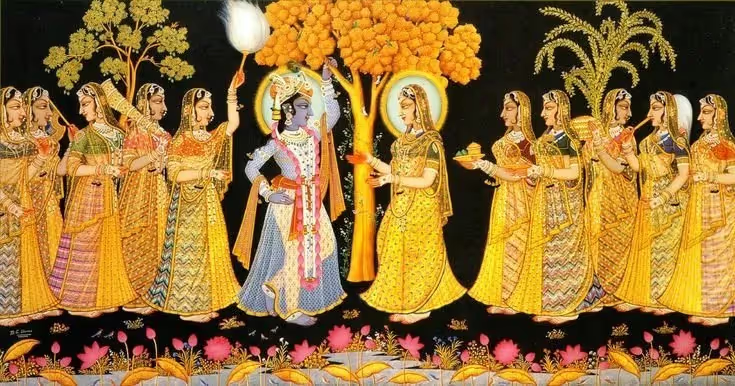
Holi’s association with colors stems from the endearing legend of Krishna and Radha. Enchanted by Radha’s fair beauty, Krishna smeared her face with colors, playfully erasing their differences. This act of love and unity forms the heart of Holi, celebrated with exuberant festivities in regions like Mathura and Vrindavan.
The beauty of Holi lies in its diversity. Across India, regions add their unique flavor to the celebrations:
The contagious enthusiasm of Holi has crossed national boundaries, captivating people worldwide. Travelers flock to India to witness its vibrant traditions. Cities like Jaipur, Delhi, and Goa host grand Holi events, blending age-old customs with modern entertainment like music festivals, cultural showcases, and culinary delights.
If you are visiting India specifically for Holi, our broader guide to experiencing Indian festivals as a foreigner has advice on how to participate respectfully and safely.
As you revel in the magic of Holi, it’s essential to honor its traditions sustainably.
Understanding cultural norms before you join any Indian celebration matters — our guide to cultural etiquette for foreigners in India covers temples, markets, and festival behaviour.
Holi Festival India offers an unforgettable celebration of color, culture, and connection. Whether you seek the spiritual charm of Vrindavan or the lively energy of Jaipur, this festival invites you to immerse yourself in its rich history and joyous traditions.
From the rhythmic beats of dhol to the delicious aroma of festive delicacies like gujiya and thandai, Holi will envelop you in a sensory explosion of love and laughter.
Mark your calendars, and prepare to be part of India’s most cherished festival. Let the vibrant hues of Holi leave you with memories to last a lifetime. After all, Holi is more than a celebration—it’s an emotion that binds hearts in the universal language of joy.
Experience Holi in India with LocalHi — authentic, curated festival journeys
India has far more to discover beyond its famous festivals — our guide to India beyond the Taj Mahal is a great starting point for planning a trip around its lesser-known wonders.
Q: Why is Holi celebrated in India?
A: Holi celebrates the legend of Prahlada and Holika, symbolising the triumph of devotion over evil. It also marks the arrival of spring and is associated with the divine love story of Radha and Krishna.
Q: When is Holi celebrated?
A: Holi falls on the full moon of the Hindu month of Phalguna, typically in February or March. The exact date changes each year.
Q: Where is the best place to celebrate Holi in India?
A: Mathura and Vrindavan (Uttar Pradesh) offer the most authentic and vibrant celebrations. Jaipur's Elephant Festival and Jodhpur's Holi are also spectacular experiences.
Q: Can foreigners participate in Holi celebrations?
A: Absolutely — Holi is one of the most inclusive Indian festivals. Foreigners are warmly welcomed, though it's advisable to participate with a local guide or in organised community celebrations.
Q: What should I wear to Holi?
A: Wear white — it's traditional and the colours show up brilliantly. Use old clothes you don't mind ruining and apply coconut oil to your skin and hair before festivities to ease colour removal.
Q: Can LocalHi plan a Holi festival trip to India?
A: Yes. We design festival-specific India trips with access to authentic celebrations, cultural context, and curated accommodation. Contact us to plan your Holi experience.
CURATED TOP DESTINATIONS


Subscribe for more updates!
Get exclusive travel inspiration, private itinerary ideas, and
curated destination guides from LocalHi's travel designers.