
Subscribe for more updates!
Get exclusive travel inspiration, private itinerary ideas, and
curated destination guides from LocalHi's travel designers.


India doesn’t ease you in. One moment you’re gawking at a temple older than most countries, the next you’re bargaining way too hard over a scarf you don’t really need. It’s chaotic, overwhelming, sometimes frustrating—and if you lean into it, absolutely magical.
I still remember my first temple visit in Delhi. I’d been warned to take off my shoes, but no one mentioned socks. So there I was, walking barefoot across cold marble, trying not to slip, while everyone else glided around like they were born for it. A little girl noticed me wobbling, tugged at her mother’s sari, and pointed at me like “look at this poor foreigner.” Instead of being embarrassed, I laughed—and so did the family. That’s the thing about India: even when you mess up, people usually meet you with warmth.
If you think temples in India are like museums—quiet, static, hushed—you’re in for a shock. These are living, breathing places of worship. Bells ring, incense smoke curls into the air, priests chant, people push forward for blessings, kids run around like it’s a playground. It’s messy and sacred at the same time.
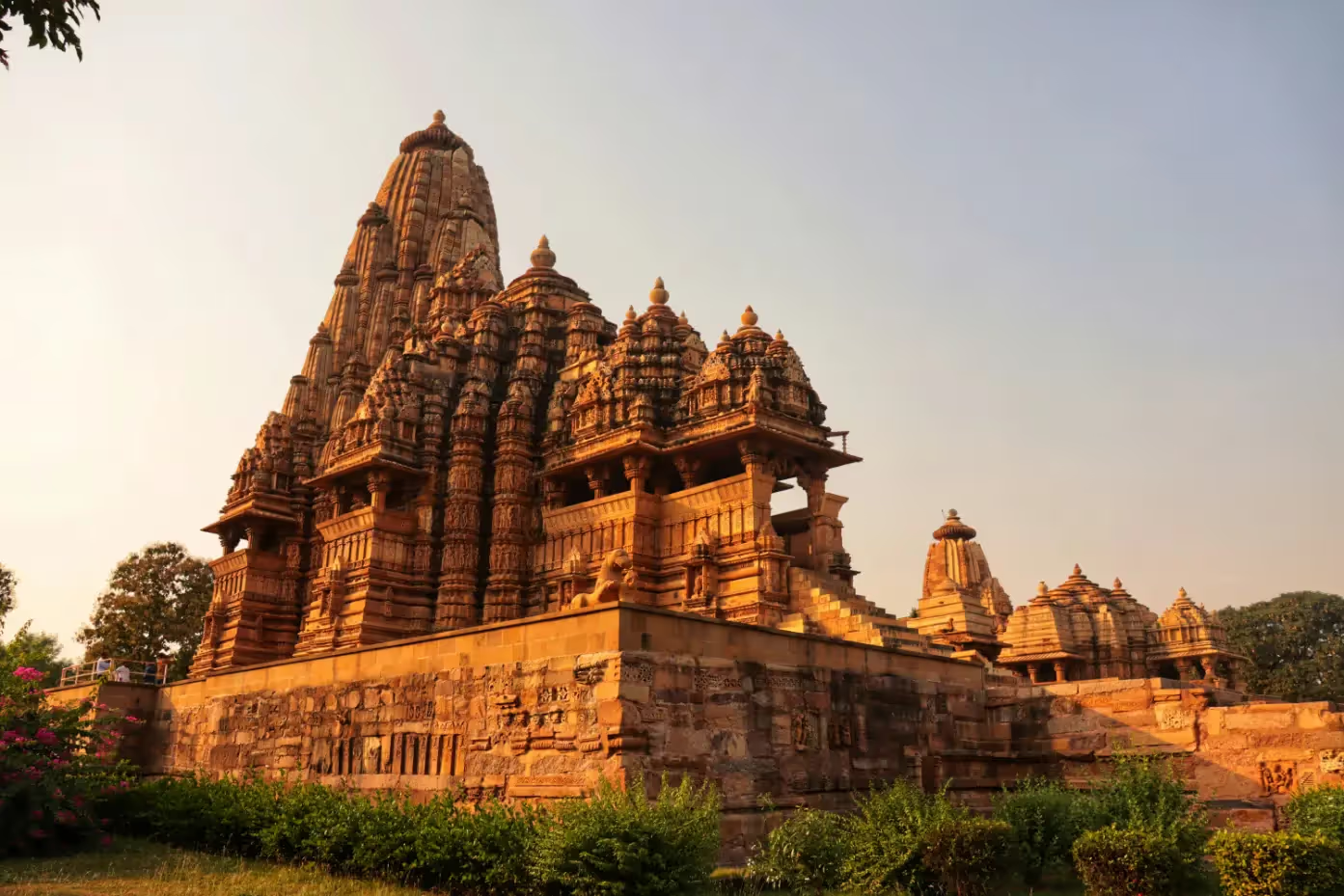
What you should know (before you stick out like a sore thumb):
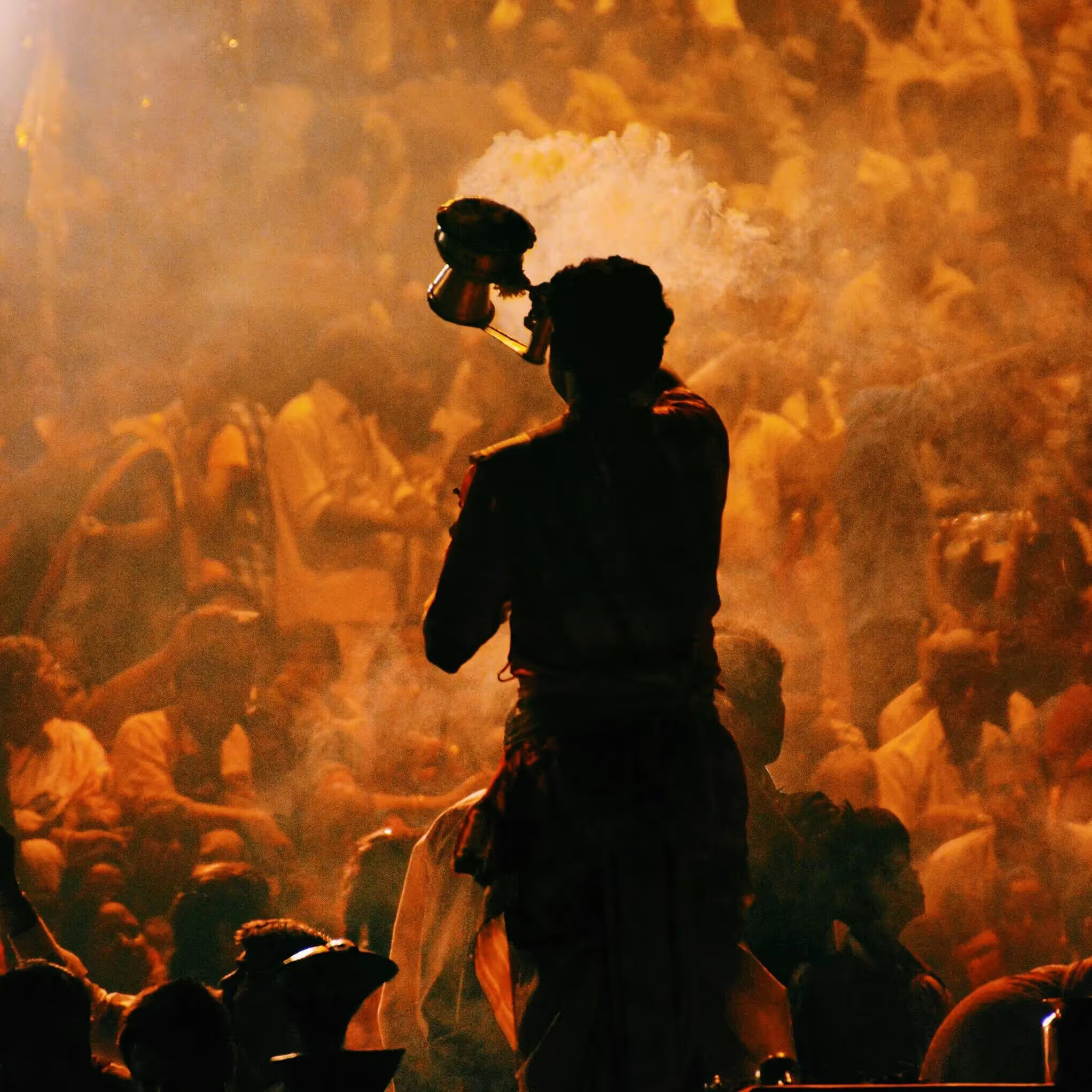
My favorite temple moment? In Varanasi, a priest pressed a marigold into my palm and simply said, “Offer it to the river.” I had no idea if I was “doing it right,” but I’ll never forget standing on those ancient steps, watching the flower drift into the Ganges. It wasn’t about rules—it was about presence.
Varanasi is one of India's most etiquette-sensitive destinations — our Varanasi Ganges spiritual boat ride and aarti guide walks you through exactly how to experience it respectfully.
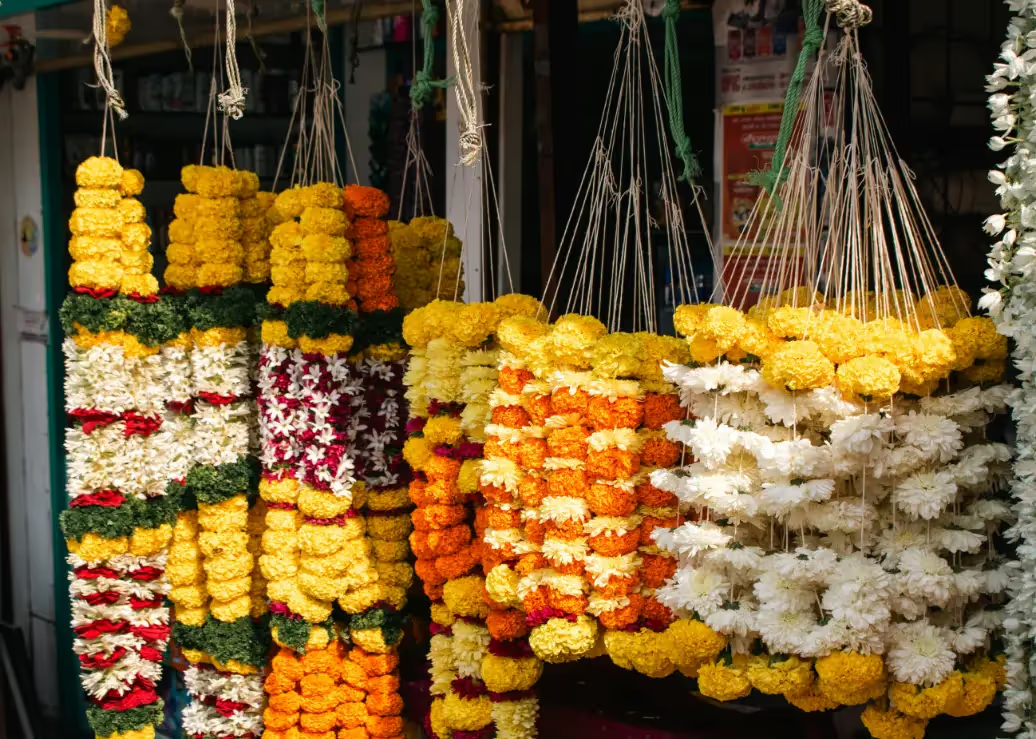
If temples are about reverence, markets are about revelry. You’re going to get lost, overwhelmed, and probably overcharged—but you’ll also see India at its most alive.
Walk through Jaipur’s Johari Bazaar and it’s an explosion of pink walls, sparkling bangles, and vendors calling out: “Good price, madam, very good price!” Delhi’s Chandni Chowk is even wilder—rickshaws squeezing past you, the smell of frying jalebis mixing with spice stalls, people moving like a human river.
Here’s how not to lose your mind (or your wallet):
For the history behind one of India's most-celebrated festivals, the Holi history — why is Holi celebrated guide gives essential context before you join in.
Honestly? Because it changes everything. Indians don’t expect perfection—they know you’re figuring it out. But the moment you cover up in a temple without being told, or you bargain with a smile instead of arrogance, people notice. And they respond.
That’s when you stop being “just another tourist.” That’s when a vendor sneaks an extra handful of spices into your bag, or a priest blesses you with a grin, or a family in the market waves you over for chai.
And those little moments? They’re the ones you’ll remember long after the temples and markets blur together.
Once you understand the etiquette, you're ready to dive into festivals — our foreigners guide to experiencing Indian festivals explains how to participate respectfully in Holi, Diwali, and more.
India isn’t about following rules to the letter. It’s about showing up with curiosity and respect. You’ll stumble, you’ll get laughed at, you’ll definitely overpay at least once. But if you approach temples with humility and markets with humor, you’ll find yourself not just sightseeing, but connecting.
And when you look back, it won’t be the monuments that stay with you—it’ll be the memory of laughing with a shopkeeper over a scarf, or standing barefoot in a temple while bells echo around you, feeling for a second like you belong.
Explore India with confidence. LocalHi designs culturally rich, well-curated India itineraries. →
1. What should foreigners wear when visiting temples in India?
Dress modestly—cover shoulders and knees, and remove shoes before entering temples in India. Avoid leather items at Jain temples.
2. Is it okay to take photos inside Indian temples?
It depends on the temple. Some allow photos in outer areas but not inside sanctums. Always check signs or ask locally in places across India.
3. How should you greet people in India?
A “namaste” gesture is widely accepted. Handshakes are common in cities, but avoid initiating physical contact in conservative regions of India.
4. Is bargaining expected in Indian markets?
Yes, especially in bazaars. Fixed-price stores won’t negotiate, but in markets across India, bargaining is standard practice.
5. What foods should foreigners be careful about in India?
Avoid tap water and raw foods washed in it. Opt for freshly cooked meals and busy food stalls in India.
6. Are there cultural etiquette rules specific to different Indian states?
Yes, norms vary. For example, Goa is more relaxed, while Rajasthan tends to be more traditional.
CURATED TOP DESTINATIONS


Subscribe for more updates!
Get exclusive travel inspiration, private itinerary ideas, and
curated destination guides from LocalHi's travel designers.