

Subscribe for more updates!
Get exclusive travel inspiration, private itinerary ideas, and
curated destination guides from LocalHi's travel designers.


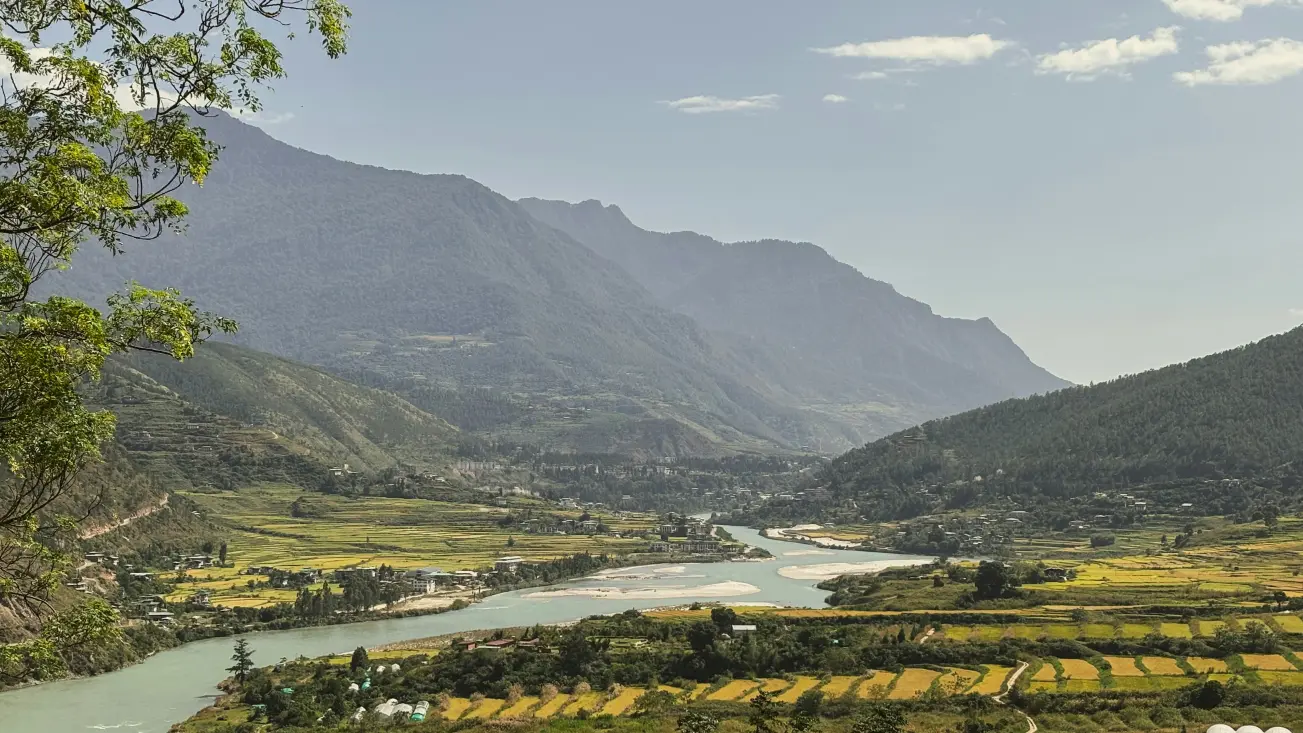
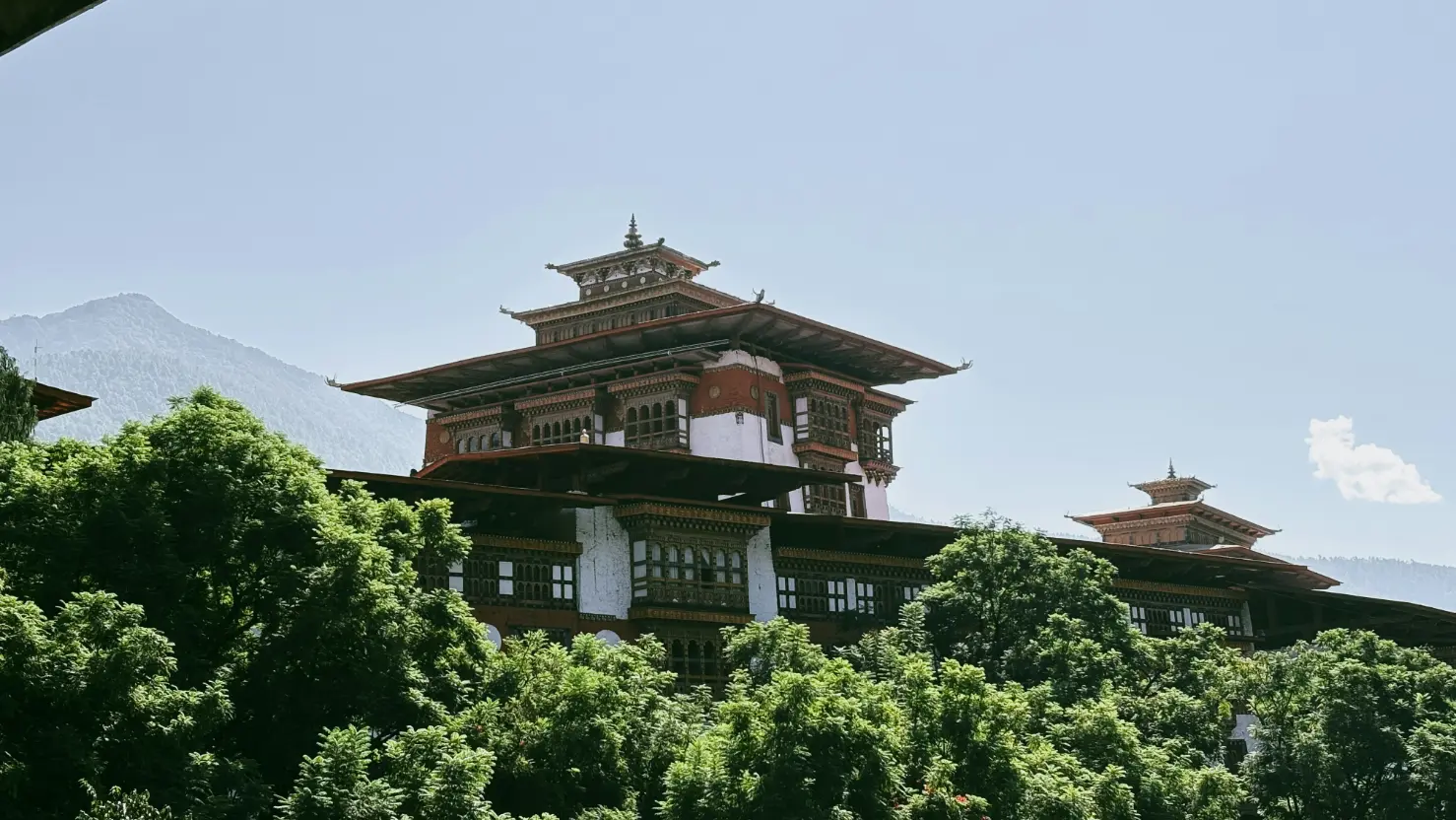
Punakha Dzong is widely considered the most beautiful dzong in Bhutan and served as the country's capital until 1955. The fortress sits at the confluence of the Pho Chhu (father river) and Mo Chhu (mother river), surrounded by jacaranda trees that bloom purple in spring, and is the winter home of Bhutan's central monk body. If you are searching for Punakha Dzong Bhutan 2026, Punakha fortress visit, Punakha Palace architecture, or things to do in Punakha, this guide covers the dzong's history, the best time to visit, and the riverside walk that most itineraries skip.
Punakha Dzong was built in 1637 by Zhabdrung Ngawang Namgyal, the lama who unified Bhutan. The fortress has six stories, a central tower (utse), three courtyards, and 21 temples. The architecture is traditional Bhutanese — no nails, rammed earth walls, timber balconies, and hand-painted murals inside the temples. The dzong is still a working monastery and government office, and monks in maroon robes move through the courtyards throughout the day. The jacaranda trees bloom in late April and early May, turning the dzong courtyard purple. The blooming season is short — ten days to two weeks — and is considered the most beautiful time to visit Punakha. The Mo Chhu riverside walk starts from the wooden suspension bridge near the dzong and follows the river upstream for 2 kilometres through rice terraces and small villages. The walk is flat, shaded by willow trees, and takes about 40 minutes one way. The path ends at Khamsum Yulley Namgyal Chorten, a four-story temple built in 1999 on a ridge above the valley.
Visiting in the middle of the day when the dzong is crowded and the light is harsh. Early morning (8 AM) or late afternoon (4 PM) gives you softer light, fewer tour groups, and cooler temperatures. The second mistake is skipping the riverside walk. Most itineraries allocate one hour for Punakha Dzong and then move on. The walk to Khamsum Yulley adds 90 minutes and shows you the rice-farming side of the valley that the dzong was built to protect.
History and architecture enthusiasts. Photographers — especially during jacaranda season. Anyone wanting to see Bhutan's dzong architecture at its most refined.
Travelers on very tight schedules who cannot allocate at least three hours to Punakha. The dzong visit alone is worth it, but the full experience includes the walk.
Combine the dzong visit with lunch at Chimi Lhakhang Cafeteria, a small family-run spot near the Fertility Temple serving ema datshi and red rice. The cafeteria has a terrace overlooking the rice paddies and is where local guides eat.


Subscribe for more updates!
Get exclusive travel inspiration, private itinerary ideas, and
curated destination guides from LocalHi's travel designers.