
Subscribe for more updates!
Get exclusive travel inspiration, private itinerary ideas, and
curated destination guides from LocalHi's travel designers.

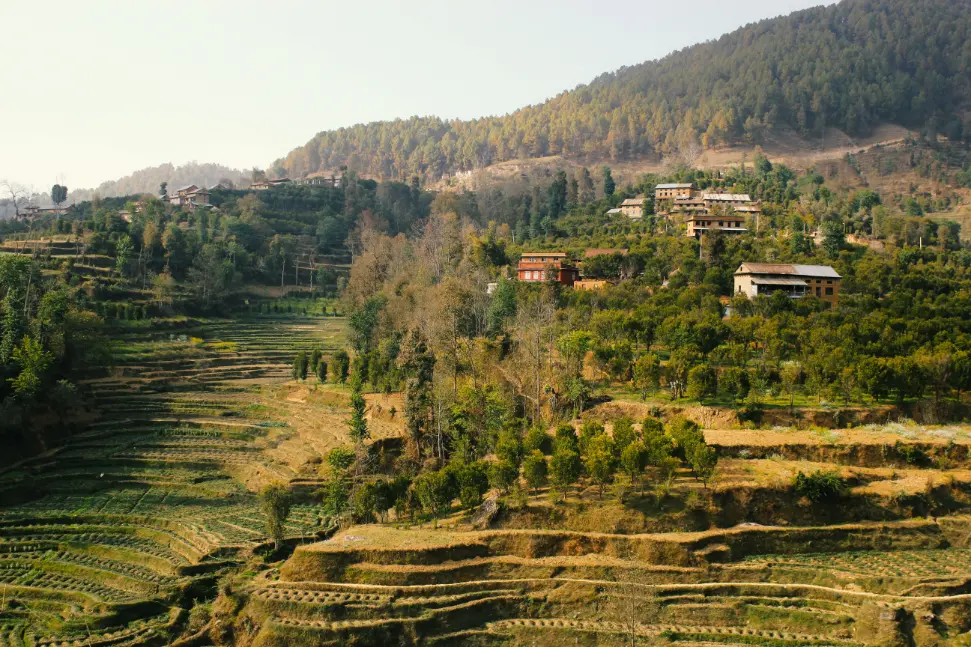
Thirteen days. That's the answer if you want to reach Bumthang—Bhutan's spiritual heartland and the valley system most travelers never see. It's not a longer version of the 9-day western circuit. It's a fundamentally different experience of the same country.
The 5-day Bhutan itinerary covers the essentials: Paro and Punakha, Tiger's Nest and Punakha Dzong. The 9-day itinerary adds Thimphu and Phobjikha Valley, completing the western circuit with time to absorb each place. Thirteen days does something else entirely: it reaches Bumthang, the sacred valley at the kingdom's heart, and arrives there having moved slowly through the four valleys that precede it. By the time you reach Bumthang, you're not encountering Bhutan for the first time. You've been inside it for ten days.
This is the itinerary both Amankora and Six Senses designed their five-lodge journeys around. It's the complete circuit—five valleys, thirteen days, the kingdom as it was meant to be seen.
Five valleys. Thirteen days. The full western and central circuit.
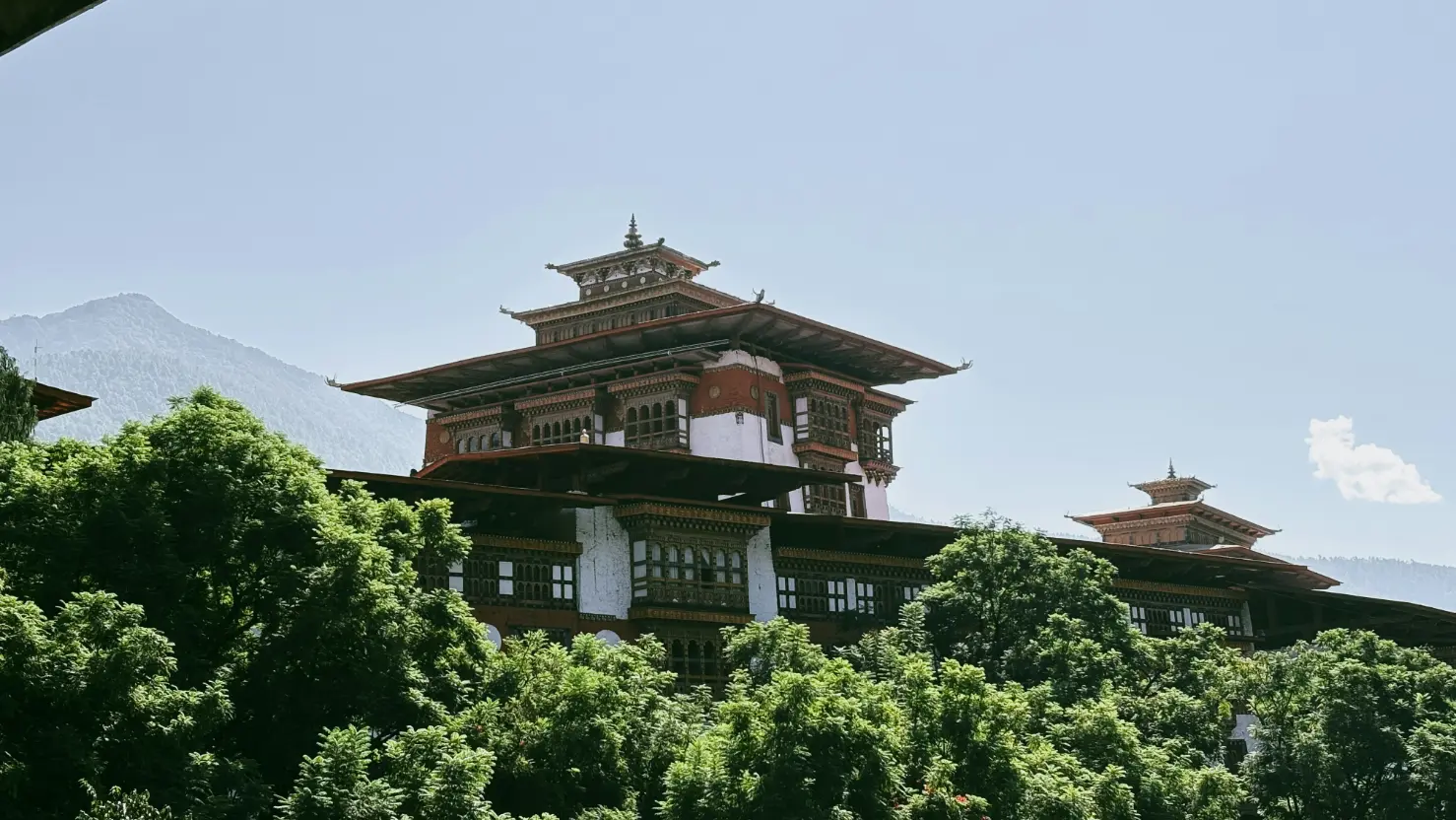
This route moves west to east through Bhutan's most significant cultural landscapes, reaches the sacred heartland that most visitors never see, and returns to Paro for departure. It's the circuit that defines what a complete Bhutan journey looks like.
The difference between 9 days and 13 days is Bumthang. Not "more time in the same valleys." Not "extra days to relax." Bumthang—the valley system that holds Bhutan's oldest temples, deepest sacred history, and most concentrated spiritual significance.
What makes Bumthang worth the extra 4 days? The age and density of its sacred history. Jambay Lhakhang and Kurjey Lhakhang are among Bhutan's oldest temples—older than most sites on the western circuit. Bumthang is where Bhutanese Buddhism took its deepest root in the 7th and 8th centuries. The western valleys are dramatic and beautiful. Bumthang is profound in a different register entirely.
Travelers who complete 13 days consistently describe Bumthang as the part that changed how they understood everything preceding it. That's not marketing language. That's the consistent feedback.

Day 1: Arrival in Paro
Morning/Afternoon: Land at Paro International Airport. The descent through steep Himalayan valleys—the aircraft banking between ridgelines before the runway appears—is one of commercial aviation's most technically demanding landings. It sets the register for the trip before you've cleared immigration.
Afternoon Activity: Rinpung Dzong above the Paro River. Walk the traditional covered bridge (Nyamai Zam) below it and follow the river path back into town. The valley in afternoon light is quiet and unhurried—a pace worth inhabiting from the beginning.
Evening: Check into Amankora Paro (blue pine forest above the valley, twenty-four rooms, positioned for early Tiger's Nest departure) or Six Senses Paro (built within historic stone ruins, full-length valley views). Both position you for an early start without long morning transfers.
Overnight: Paro
Day 2: Tiger's Nest Monastery (Taktsang Lhakhang)
6:30am: Leave for Tiger's Nest trailhead before 7am. Early starts avoid afternoon crowds and catch the monastery in morning light.
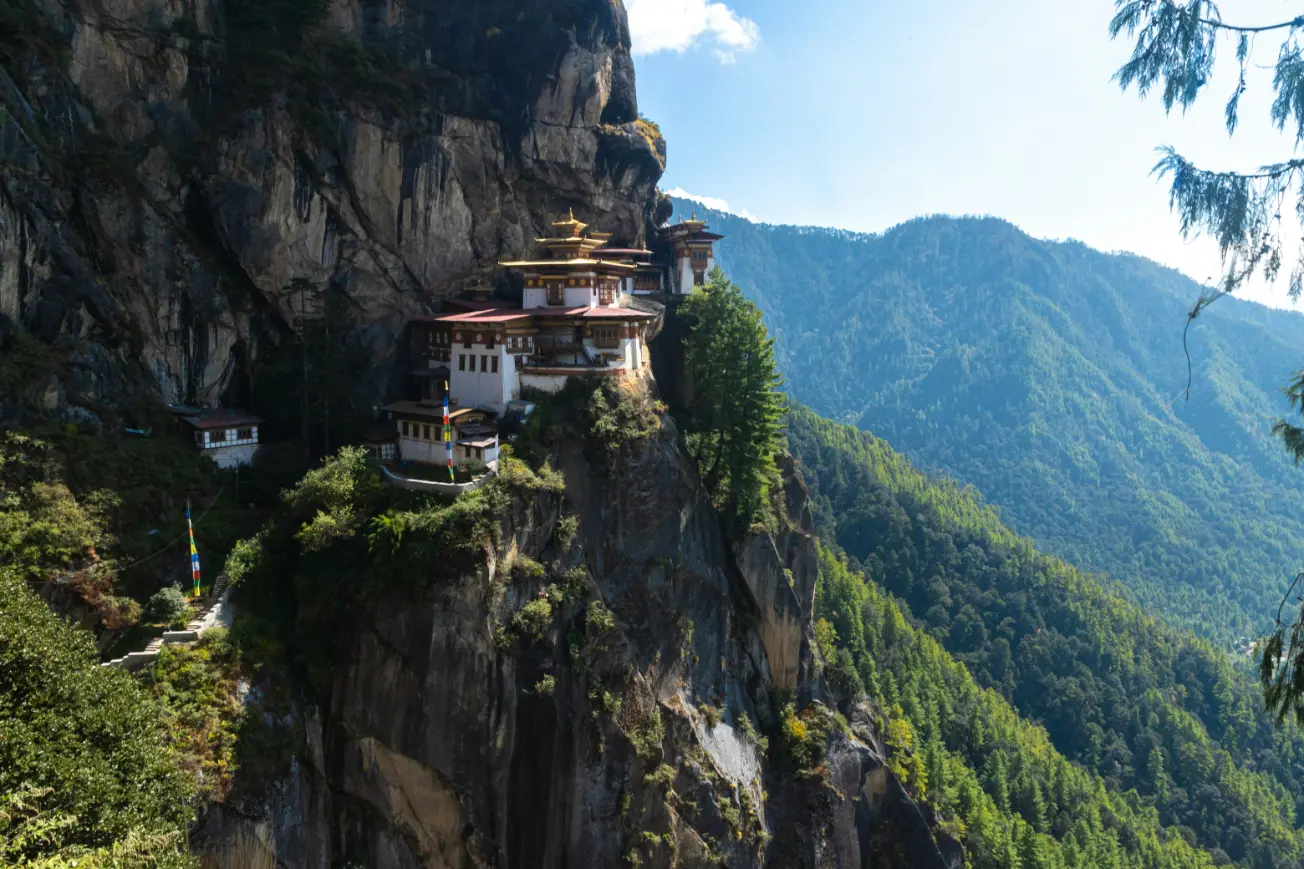
7:00am - 11:00am: The hike. 900 meters of ascent through pine forest to Taktsang Lhakhang at 3,120 meters. First built in 1692 on the cliff where Guru Rinpoche meditated in the 8th century. The monastery clings to a sheer rock face above a vertical drop. Inside: butter lamps, low ceilings, resident monks, accumulated stillness.
Afternoon: Kyichu Lhakhang—one of Bhutan's two oldest temples (7th century), still active, quietly extraordinary in the way fourteen-century-old sacred sites tend to be. The first evening in Paro after Tiger's Nest has a specific quality: physical tiredness and visual fullness combine into something travelers consistently describe as unexpectedly satisfying.
Overnight: Paro
Day 3: Paro to Thimphu — Bhutan's Capital
Morning: Drive to Thimphu (under 1 hour). The capital is Bhutan's only city and, by any urban standard, a very small town. Its defining characteristic: traditional and modern coexist without either dominating. Monks and civil servants share streets. The weekend market sells dried yak cheese alongside mobile phone accessories. The city's only traffic junction is managed by white-gloved police rather than traffic lights—a system authorities reinstated after briefly installing lights and removing them at public request.
Late Morning: Buddha Dordenma. The 51.5-meter gilded bronze Buddha sits above Kuenselphodrang hillside overlooking the entire valley. Worth the climb primarily for the view across Thimphu that the elevation provides.
Afternoon: Tashichho Dzong (seat of Bhutan's government, summer residence of the Je Khenpo spiritual leader, working dzong with visitor access to outer courtyards). National Textile Museum (finest collection of Bhutanese woven textiles—kishuthara and yathra fabrics—deserves an hour of proper attention). Folk Heritage Museum (reconstructs traditional farmhouse across three floors, most efficient way to understand domestic life behind monastery visits).
If It's Saturday or Sunday: The weekend market is worth everything else combined. Local, functional, unsanitized for tourism. The most alive thing happening in Thimphu.
Evening: Check into Amankora Thimphu or Six Senses Thimphu—both on the forested city edge, both quiet in ways capital-city lodges rarely manage.
Overnight: Thimphu
Day 4: Thimphu to Punakha via Dochu La Pass
Early Morning: Leave Thimphu by 7:30am. The drive to Punakha via Dochu La Pass is one of the finest hours in western Bhutan, consistently undervalued by itineraries that treat it as just a transfer.
Dochu La Pass (3,050m): 108 memorial chortens built by Bhutan's Royal Queens after a 2003 military campaign, standing in rows across the ridgeline. On clear mornings, the high Himalayan range is fully visible to the north—Masang Gang, Tsendagang, Terigang. Cloud builds by mid-morning most days, so early departure from Thimphu is essential, not optional.
Descent into Punakha: Temperature change is immediate and physical. The valley sits nearly 1,000 meters lower than Paro or Thimphu. Air gets heavier, warmer, greener. Banana trees appear roadside. Rice paddies deepen in color.
Afternoon: Check into Six Senses Punakha, Amankora Punakha, Dhensa Boutique Resort, or Lobesa Boutique Hotel. Walk the valley at dusk. Punakha at dusk—dzong visible in the distance, Mo Chhu river quieting into evening, air warm enough for single layers—is the hour travelers consistently describe as the moment the trip properly arrived.
Overnight: Punakha
Day 5: Punakha Dzong & Chimi Lhakhang
Dawn: Go to Punakha Dzong before the day fully starts. Built in 1637 at the confluence of the Mo Chhu and Pho Chhu rivers (the "mother" and "father" rivers), it's the most beautiful fortress monastery in Bhutan. At dawn, light falls directly on white walls from the east and both rivers run below. The traditional wooden cantilever bridge is the correct approach—walk it slowly.
Inside the Dzong: Multiple courtyards, main assembly hall, temples hung with thangkas, monks moving through morning routines without adjusting for visitors. One of the few places in Bhutan simultaneously a major tourist landmark and genuinely, actively in use as a religious site. The balance holds here.
Afternoon: Chimi Lhakhang. A 30-minute walk across rice paddies to the fertility temple of Lama Drukpa Kunley—the "Divine Madman," a 15th-century master whose deliberate unconventionality made him one of Bhutan's most beloved religious figures. The walk across paddy fields is part of the visit. The temple is small, personal, entirely unlike a dzong in atmosphere.
Late Afternoon: Return along the Mo Chhu riverbank as light flattens into evening.
Overnight: Punakha
This is the section that separates the 13-day itinerary from the 9-day version—though both include Phobjikha. The difference: on the 13-day route, Phobjikha becomes a midpoint rather than a final destination. The valley holds the same importance, but the journey context shifts.
Day 6: Punakha to Phobjikha
Morning: Drive from Punakha to Phobjikha (3-4 hours). The route crosses the Black Mountains—the range dividing Bhutan's western and central regions. The road climbs through dense rhododendron and fir forest, passes villages the main tourist circuit doesn't reach, arrives at the Phobjikha plateau at over 3,000 meters. The valley opens below: a broad, flat glacial wetland ringed by forested hills, with Gangtey Monastery rising on a wooded ridge above the far side.
Afternoon: Black-Necked Crane Information Centre (necessary context for the valley, well-curated, best introduction to why Phobjikha matters ecologically and culturally). Between October and February, hundreds of endangered black-necked cranes migrate here from Tibet to winter on the wetlands. Bhutanese regard them as sacred. The valley's wetland character has been deliberately maintained partly because of them.
Late Afternoon: Walk the valley floor and watch light change over the wetlands.
Evening: Check into Gangtey Lodge (positioned above the valley with direct wetland views, consistently the highest-rated property on the entire 13-day circuit), Six Senses Gangtey, Amankora Gangtey, or Gangtey Pinewood Resort.
Overnight: Phobjikha Valley
Day 7: Gangtey Monastery & Valley Floor Walk
Morning: Gangtey Monastery (Gangtey Goempa). The largest school of the Nyingma tradition of Buddhism in Bhutan, founded in the 17th century, rebuilt in 2008 after restoration. The monastery sits above the valley on a wooded ridge. Views from its courtyard across the Phobjikha floor are among the most photographed in Bhutan—rightly so. Morning visits, before daily programmes begin, have a quality afternoon visits don't.
Afternoon: The Gangtey Nature Trail. A 2-hour walk through farmhouses, prayer flags, yak pastures, and the flat wetland cranes occupy in season. Not a dramatic hike. A slow walk through a place functionally unchanged for centuries. Its value is exactly that.
Evening: In crane season (October-February), this is the evening to sit at the lodge terrace and watch the birds settle for the night. The particular quality of silence Phobjikha holds after dark is something most travelers on this itinerary mention unprompted in trip reviews.
Overnight: Phobjikha Valley
This is why 13 days exists as an itinerary. Bumthang is not an add-on. It's the valley that changes the meaning of everything preceding it.
Day 8: Phobjikha to Bumthang
Morning: Drive from Phobjikha to Bumthang (5-6 hours) through the central Bhutan highlands. The route crosses Pelela Pass at 3,420 meters—the highest point on this itinerary and the boundary between western and central regions. Passes through Trongsa (ancestral home of Bhutan's royal family, site of Trongsa Dzong—the most strategically positioned fortress in Bhutan). Descends into the Bumthang valley system at around 2,600 meters.
Alternative: If Druk Air or Bhutan Airlines domestic flights to Bathpalathang Airport are available and weather allows, the flight removes the drive entirely. The road journey is extraordinary. The flight is 2 hours and saves a day. We book flights when available and advise road-transfer backup given weather variability.
Afternoon: Arrive in Bumthang. Check into Amankora Bumthang or Six Senses Bumthang—both in Chokhor Valley, the main valley of the four. The spa programming at both lodges runs deeper here than at western properties. Bumthang is the end of the journey, and lodges design around that accordingly.
Overnight: Bumthang
Day 9: Bumthang's Sacred Temples
Bumthang is not one valley but four—Chokhor, Tang, Ura, and Chhume—and they carry a density of sacred history distinct from everything on the western circuit. This is where Bhutanese Buddhism took its deepest root, where the oldest temples were built, where the country's spiritual identity is most concentrated.
Morning: Jambay Lhakhang. Built in the 7th century by Tibetan king Songtsen Gampo—the same king who built Kyichu Lhakhang in Paro and 107 other temples across the Himalayas in a single day, according to tradition. Active, ancient, deeply atmospheric at any time of day.
Mid-Morning: Kurjey Lhakhang—the most sacred site in Bumthang. The temple is built around the cave where Guru Rinpoche (Padmasambhava, the Indian master who brought Tantric Buddhism to Bhutan in the 8th century) meditated and left a body imprint in the rock face. The imprint is visible. The sense of accumulated sacred history is not something you work at in this temple—it's simply present.
Afternoon: Tamshing Lhakhang. Holds some of the oldest frescoes in Bhutan, painted directly onto walls in the 16th century. Undisturbed. Dimly lit. Worth more time than most itineraries give them.
Late Afternoon: Jakar Dzong, the white fortress above the valley, is the administrative and religious center of Bumthang. It controls the valley the way Bhutanese dzongs are built to do—visually dominant, architecturally severe, historically central.
Overnight: Bumthang
Day 10: The Burning Lake & Tang Valley
Morning: Mebar Tsho—the Burning Lake. Where the Bhutanese saint Pema Lingpa is said to have dived in the 15th century holding a burning lamp and surfaced with both the lamp still lit and a chest of sacred texts. The lake is still, deep, set in a narrow gorge. Whether the story is literal or allegorical, the place holds a quality not easily explained.
Afternoon: Tang Valley exploration (one of Bumthang's four valleys, less visited than Chokhor, the road into it passes through farmland and traditional villages), or spa time at the lodge. Three nights in Bumthang is the correct amount. Two is tight. The third day benefits from unstructured time.
Overnight: Bumthang
Day 11: Bumthang to Paro
Morning: Drive from Bumthang to Paro (5-6 hours) through landscapes that feel different on the return than on the outbound journey. Alternatively, a Druk Air or Bhutan Airlines domestic flight back to Paro reduces travel time to under an hour—subject to availability and weather, it's the cleaner option.
Afternoon in Paro: National Museum of Bhutan (Ta Dzong)—sits directly above Rinpung Dzong in the former watchtower. The most significant collection of Bhutanese art and artifacts in the country: masks, thangkas, weapons, textiles, chronological account of Bhutanese history that puts everything you've seen over the previous ten days into coherent context.
Late Afternoon: Drugyel Dzong. The ruined fortress at the north end of Paro Valley built to commemorate victory over Tibetan invasion in the 17th century. Now roofless but still standing, visible against the mountain backdrop. On clear mornings, Jomolhari—Bhutan's sacred mountain at 7,326 meters—is visible from the dzong ruins. Worth the 30-minute drive on the chance.
Overnight: Paro
Day 12: At Leisure in Paro
The full 13-day itinerary benefits from a day without a schedule. Most travelers spend it on a longer version of the valley walk, a return to a specific site that warranted more time, or simply at the lodge with the spa and the view. This is the day for that.
Overnight: Paro
Morning: Departure from Paro International Airport. The flight out through the mountain valley—banking between ridgelines, climbing through cloud—is as dramatic as the arrival. Every seat is a window seat worth using.

Thirteen days across five valleys is the journey Amankora and Six Senses both designed their full five-lodge circuits around. Staying within one network for the duration is the most seamless way to do this trip—one operator, consistent service, managed logistics, programming that builds across the journey.
Operates five lodges across the full circuit. Design across all five is spare and architectural. Small properties (twelve to twenty-four rooms). Quiet by design. The guide who accompanies you is briefed on the full journey and adapts as the trip develops.
What's Included in Amankora's Multi-Lodge Journey: Meals, in-house beverages including wine and spirits, daily excursions with guide and driver, all internal lodge transfers. The SDF (Sustainable Development Fee) and international flights are additional.
Best for: Travelers prioritizing understated design, minimal programming, maximum landscape immersion, architectural precision.
Explore Amankora's Five Lodges
More programme-driven across all five properties. Wellness and spa offering is more elaborate. Design vocabulary is more expressive. If wellness is a genuine priority—not an optional extra but a reason for the journey—Six Senses builds around it more deliberately than Amankora.
What's Included in Six Senses' Five-Lodge Journey: Similar all-inclusive structure to Amankora with more emphasis on integrated wellness programming, active excursions, structured daily activities.
Best for: Travelers wanting integrated wellness programming, spa-focused journey, active excursions, more structured daily rhythm.
It's not a question of quality. Both are world-class. It's a question of what you want the journey to feel like: spare and architectural versus programmed and wellness-forward.
For a full property-by-property comparison, the Amankora vs Six Senses breakdown on our Bhutan destination page goes into the detail.
Regardless of network: Gangtey Lodge in Phobjikha is the most highly-rated individual property on the full 13-day circuit. Twelve rooms, fireplace in every room, cranes visible from the terrace in season, positioned directly above the wetlands. Worth a standalone booking if you're mixing properties.
The 13-day itinerary is the most seasonally constrained of the three main trip lengths. The Pelela Pass between Phobjikha and Bumthang closes in winter, which removes the full circuit from the December-February window entirely.
Our recommendation: October for the full package (clearest skies, Thimphu Tshechu if dates align, early crane arrivals in Phobjikha). March-April if Paro Tshechu and spring rhododendrons matter more than cranes—Bumthang in spring is particularly beautiful.
Critical note: If your travel dates fall in December-February, the 9-day western circuit itinerary is the better design. Winter removes Bumthang from viability.
For detailed seasonal breakdowns, read our best time to visit Bhutan guide.
By Air: Paro International Airport is the sole entry and exit point. Direct connections from Delhi, Mumbai, Kolkata, Kathmandu, and Bangkok with Drukair or Bhutan Airlines.
Domestic Flights: Druk Air and Bhutan Airlines both operate the Paro–Bathpalathang (Bumthang) route. Subject to availability and mountain weather. Worth booking well ahead when available as it removes the 5-6 hour drive from Phobjikha to Bumthang.
By Road: Phuntsholing is the main road entry from India—accessible from Siliguri, Darjeeling, and Sikkim. We design road-entry Bhutan journeys regularly for clients traveling from Northeast India.
International tourists pay USD $100 per person per night as a government levy funding healthcare, education, and conservation. This is separate from accommodation and guide costs. Indian, Bangladeshi, and Maldivian nationals pay a different, lower levy.
All international tourists travel with a licensed Bhutanese guide. On a 13-day five-valley journey, the guide relationship deepens considerably—by Bumthang, you're traveling with someone who understands the full arc of what you've seen. LocalHi manages all guide arrangements and logistics.
When booking through LocalHi:
Not included: International flights, travel insurance, alcohol (unless staying at Amankora/Six Senses where it's included), tips for guide/driver.
Bhutan pairs naturally with:
Explore our full Bhutan destination page for more trip combinations.
Is 13 days genuinely necessary, or is it just more of the same?
It's not more of the same. Bumthang is categorically different from the western circuit—older, more sacred, less visited, and positioned at the end of a journey that has been building toward it. Travelers who do 13 days consistently describe Bumthang as the part that changed how they understood everything preceding it. That's not a sales point. It's the consistent feedback.
What makes Bumthang different from the western valleys?
The age and density of its sacred history. Jambay Lhakhang and Kurjey Lhakhang are among the oldest temples in Bhutan—older than most sites on the western circuit. Bumthang is where Bhutanese Buddhism took its deepest root in the 7th and 8th centuries, and the valley holds that history in a way that's physically palpable rather than merely described. The western valleys are dramatic and beautiful. Bumthang is profound in a different register.
Can I do a domestic flight to Bumthang instead of driving?
Yes. Bathpalathang Airport serves Bumthang with Druk Air and Bhutan Airlines flights from Paro. Availability is limited and subject to mountain weather, but it removes the 5-6 hour drive from Phobjikha. We book this as part of the journey when available and advise a road-transfer backup given weather variability.
Is the Amankora five-lodge journey all-inclusive?
Yes. Meals, in-house beverages including wine and spirits, daily excursions with guide and driver, and all internal lodge transfers are included. The SDF and international flights are additional. Six Senses operates on a similar all-inclusive basis.
Is 13 days too long if I haven't been to Bhutan before?
No—provided the pacing is right. This itinerary moves slowly through five valleys over 13 days. No day is spent entirely in a car. The Bumthang leg has three nights in a single valley, which is genuinely restful. Most first-time visitors to Bhutan who do this length say, on return, that the duration was exactly right. Most who do 5 or 9 days say they wished they'd had more.
What if I want to add trekking to this itinerary?
The Druk Path Trek (5 days between Paro and Thimphu) and the Bumdra Trek (3 days from Paro) both integrate naturally with the western portion of this itinerary. We adjust the structure to accommodate trekking without compressing valley time. Trekking in Bhutan requires separate permits and should be discussed at the planning stage.
Why does the 13-day itinerary not work in winter?
The Pelela Pass (3,420m) between Phobjikha and Bumthang closes due to snow from December through February. This cuts off road access to Bumthang. Domestic flights to Bumthang are weather-dependent and unreliable in winter. If your dates fall in winter, the 9-day western circuit is the right choice—it focuses on Phobjikha's peak crane season (December-January) instead.
How far in advance should I book a 13-day Bhutan trip?
4-6 months ahead for autumn (September-November) and spring festival windows (Paro Tshechu in March/April, Thimphu Tshechu in September/October). Lodge availability at Gangtey Lodge, Amankora properties, and Six Senses lodges books earliest during peak crane season and festival periods. Domestic Bumthang flights also require advance booking when available.
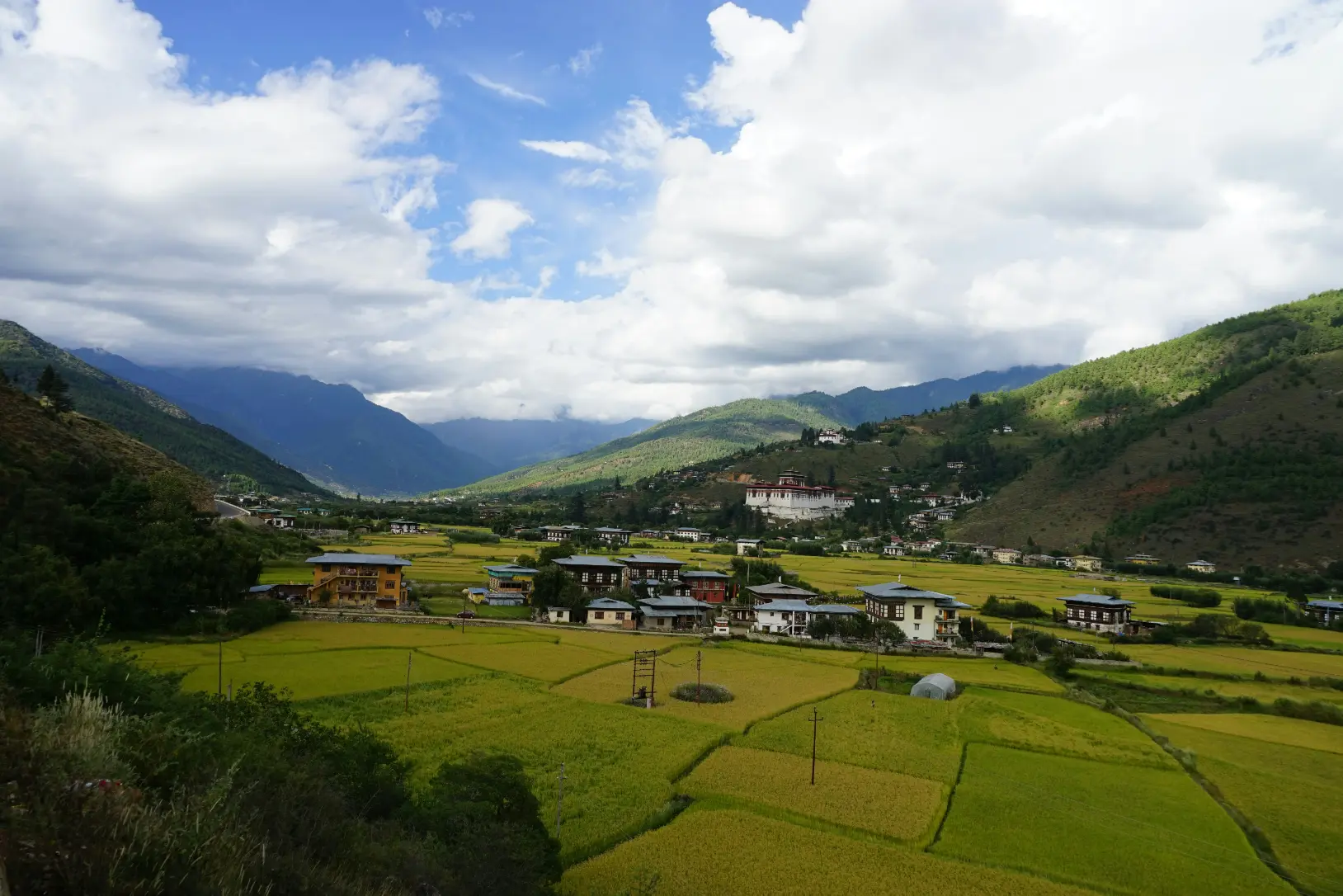
Thirteen days across five valleys is not the long version of a short trip. It's the journey Bhutan was designed to be done as—slowly, valley by valley, with enough time in each place to stop being a visitor and start being present.
Browse the full Kingdom Unfolded 13-Day Journey for detailed pricing and inclusions. If you're still deciding between durations, the 9-day itinerary guide and the 5-day guide both explain what each length includes and what it leaves out.
Ready to plan your journey? Contact us with your travel dates and we'll build your complete Bhutan itinerary around them.
CURATED TOP DESTINATIONS


Subscribe for more updates!
Get exclusive travel inspiration, private itinerary ideas, and
curated destination guides from LocalHi's travel designers.